
Coleman Hawkins
ActingAbout Coleman Hawkins
Coleman Randolph Hawkins (November 21, 1904 – May 19, 1969), nicknamed "Hawk" and sometimes "Bean", was an American jazz tenor saxophonist. One of the first prominent jazz musicians on his instrument, as Joachim E. Berendt explained: "There were some tenor players before him, but the instrument was not an acknowledged jazz horn". Hawkins biographer John Chilton described the prevalent styles of tenor saxophone solos prior to Hawkins as "mooing" and "rubbery belches". Hawkins denied being first and noted his contemporaries Happy Caldwell, Stump Evans, and Prince Robinson, although he was the first to tailor his method of improvisation to the saxophone rather than imitate the techniques of the clarinet. Hawkins' virtuosic, arpeggiated approach to improvisation, with his characteristic rich, emotional, and vibrato-laden tonal style, was the main influence on a generation of tenor players that included Chu Berry, Charlie Barnet, Tex Beneke, Ben Webster, Vido Musso, Herschel Evans, Buddy Tate, and Don Byas, and through them the later tenormen, Arnett Cobb, Illinois Jacquet, Flip Phillips, Ike Quebec, Al Sears, Paul Gonsalves, and Lucky Thompson. While Hawkins became known with swing music during the big band era, he had a role in the development of bebop in the 1940s. Fellow saxophonist Lester Young, known as the "President of the Tenor Saxophone", commented, in a 1959 interview with The Jazz Review: "As far as I'm concerned, I think Coleman Hawkins was the president, first, right? As far as myself, I think I'm the second one." Miles Davis once said: "When I heard Hawk, I learned to play ballads." Description above from the Wikipedia article Coleman Hawkins, licensed under CC-BY-SA, full list of contributors on Wikipedia.
Career Statistics & Market Influence
Analyzing the cinematic journey of Coleman Hawkins reveals a career defined by diverse artistic exploration. With a total of 8 major appearances, the actor has established a significant footprint in global cinema.
Genre Dominance: Music
The majority of Coleman Hawkins's filmography leans towards the Music genre. Audience data suggests that viewers respond most favorably to this persona, though their versatility has allowed for successful crossovers into other categories.
The "Box Office" Signature
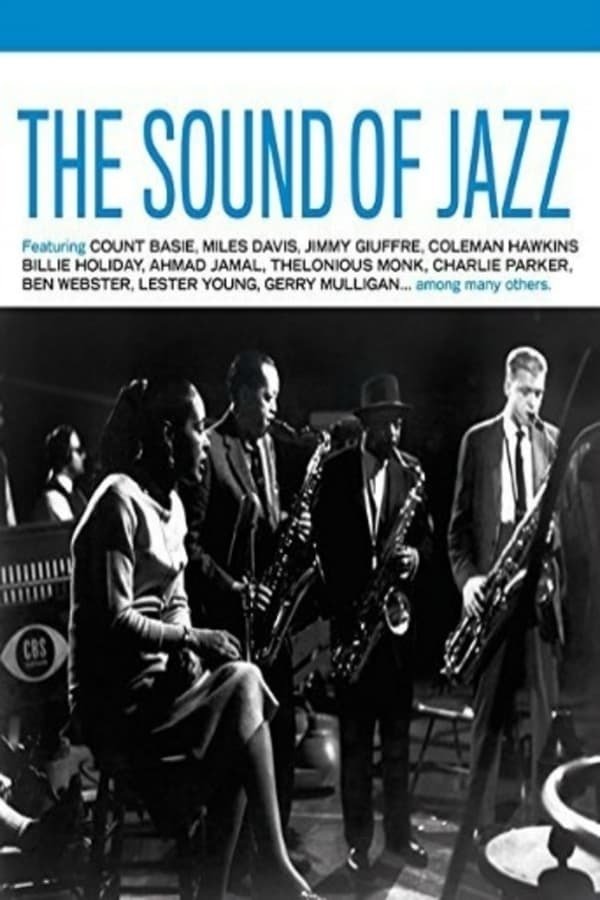
With a 25% Success Ratio (movies rated above 6.5), Coleman Hawkins remains a reliable draw for studios. Their peak performance was recorded in The Sound of Jazz, which continues to be the benchmark for their career rating-wise.
Best Coleman Hawkins Movies Ranked
Must-watch hits from Coleman Hawkins's career based on audience ratings.
Complete Filmography & Success Status
Tracking the career evolution and box office verdicts of Coleman Hawkins.
| Year | Movie | Character | Success | More |
|---|---|---|---|---|
| 2009 | Jazz Icons - Coleman Hawkins Live in '62 & '64 | - | Flop | Similar → |
| 2008 | Coleman Hawkins – In Europe, London, Paris & Brussels | Lui-même | Flop | Similar → |
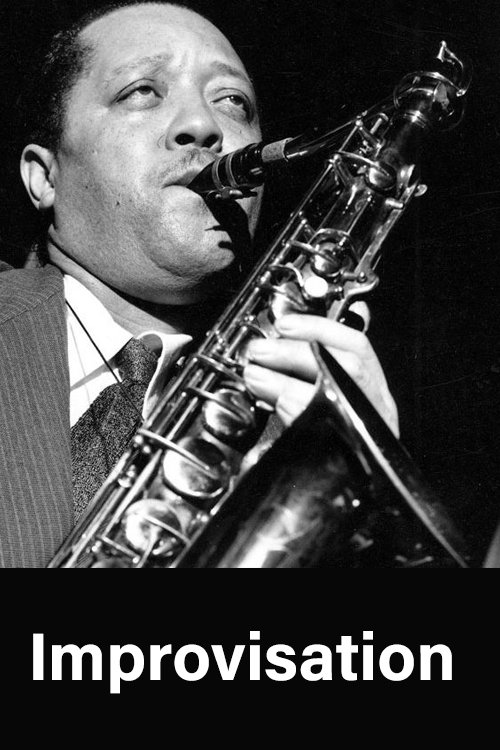
| 2004 | Improvisation | Self | Flop | Similar → |
| 1961 | After Hours | Himself | Flop | Similar → |
| 1957 | The Sound of Jazz | - | Super Hit | Similar → |
| 1950 | Improvisation | Self | Flop | Similar → |
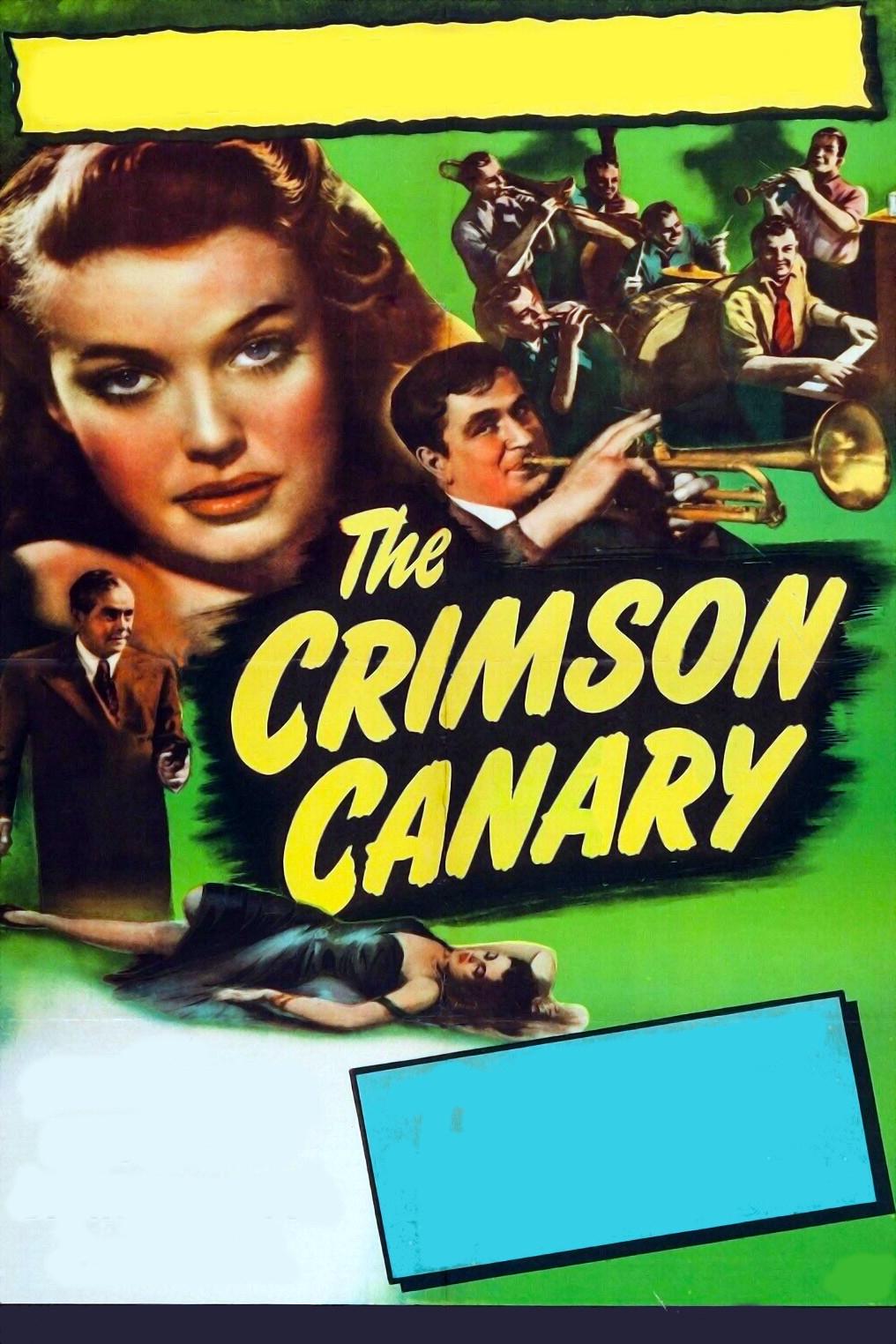
| 1945 | The Crimson Canary | Coleman Hawkins | Average | Similar → |
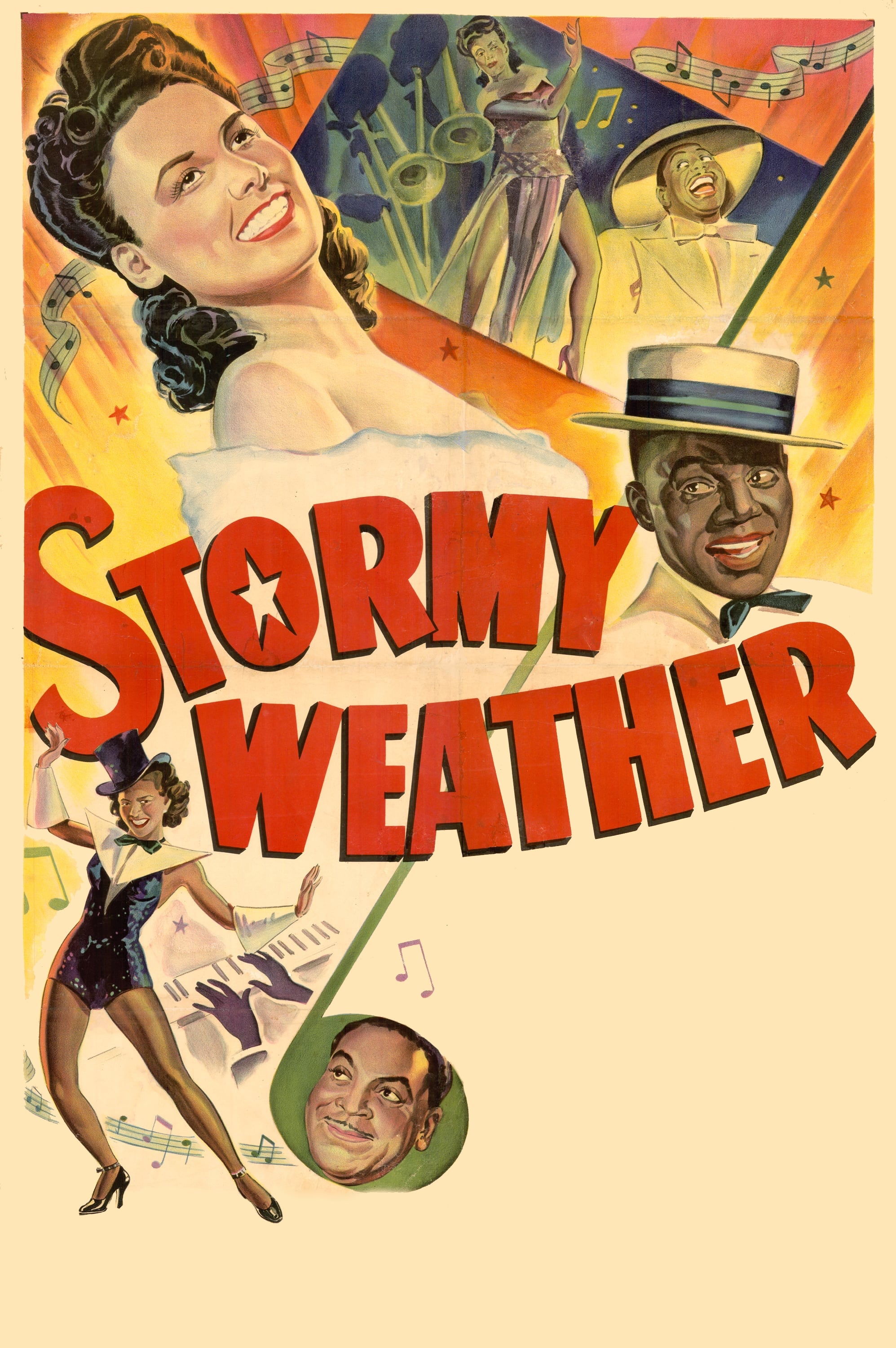
| 1943 | Stormy Weather | Saxophonist (uncredited) | Hit | Similar → |
Coleman Hawkins - Frequently Asked Questions
What is the best movie of Coleman Hawkins?
According to audience ratings, the best movie starring Coleman Hawkins is "The Sound of Jazz" with a rating of 8.0/10.
How many movies has Coleman Hawkins acted in?
Coleman Hawkins has been featured in at least 8 major films throughout their career.
What are some other popular movies by Coleman Hawkins?
Other notable films include "Stormy Weather", "The Crimson Canary", and "Improvisation".