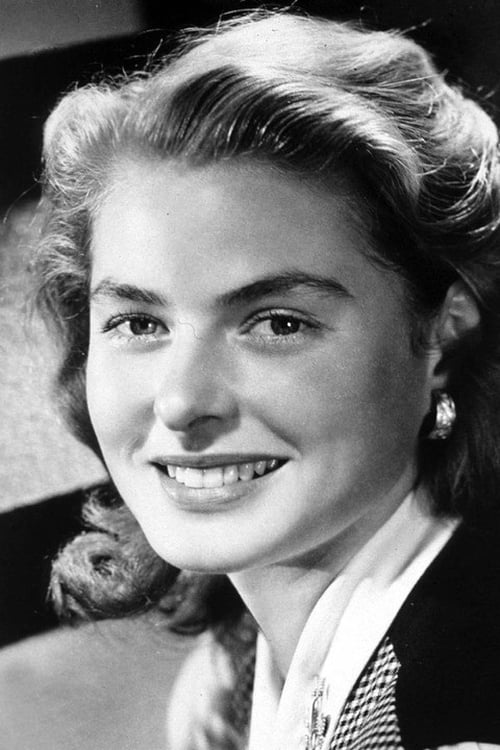
Ingrid Bergman
ActingAbout Ingrid Bergman
Ingrid Bergman (August 29, 1915 – August 29, 1982) was a Swedish actress who starred in a variety of European and American films, television movies, and plays. With a career spanning five decades, she is often regarded as one of the most influential screen figures in cinematic history. According to the St. James Encyclopedia of Popular Culture, upon her arrival in the U.S. Bergman quickly became "the ideal of American womanhood" and a contender for Hollywood's greatest leading actress. David O. Selznick once called her "the most completely conscientious actress" he had ever worked with. In 1999, the American Film Institute recognised Bergman as the fourth greatest female screen legend of Classic Hollywood Cinema. She won numerous accolades, including three Academy Awards, two Primetime Emmy Awards, a Tony Award, four Golden Globe Awards, BAFTA Award and a Volpi Cup. She is one of only four actresses to have received at least three acting Academy Awards (only Katharine Hepburn has four). Born in Stockholm to a Swedish father and a German mother, Bergman began her acting career in Swedish and German films. Her introduction to the U.S. audience came in the English-language remake of Intermezzo (1939). Known for her naturally luminous beauty, she starred in Casablanca (1942) as Ilsa Lund, her most famous role, opposite Humphrey Bogart. Bergman's notable performances in the 1940s include the dramas For Whom the Bell Tolls (1943), Gaslight (1944), The Bells of St. Mary's (1945), and Joan of Arc (1948), all of which earned her nominations for the Academy Award for Best Actress; she won for Gaslight. She made three films with Alfred Hitchcock: Spellbound (1945), with Gregory Peck, Notorious (1946), opposite Cary Grant and Under Capricorn (1949), alongside Joseph Cotten. In 1950, she starred in Roberto Rossellini's Stromboli, released after the revelation she was having an affair with Rossellini; that and her pregnancy prior to their marriage created a scandal in the U.S. that prompted her to remain in Europe for several years. During this time she starred in Rossellini's Europa '51 and Journey to Italy (1954), now critically acclaimed, the former of which won her the Volpi Cup for Best Actress. She had a successful return to working for a Hollywood studio in Anastasia (1956), winning her second Academy Award for Best Actress. Soon after, she co-starred with Grant in the romance Indiscreet (1958). In 1969, she starred in the acclaimed and highly successful film Cactus Flower. In later years, Bergman won her third Academy Award, this one for Best Supporting Actress, for her role in Murder on the Orient Express (1974). In 1978, she starred in Ingmar Bergman's (no relation) Swedish Autumn Sonata receiving her sixth Best Actress nomination. Bergman spoke five languages – Swedish, English, German, Italian and French – and acted in each. In her final role, she portrayed the late Israeli Prime Minister Golda Meir in the television miniseries A Woman Called Golda (1982) for which she posthumously won her second Emmy Award for Best Actress. In 1974, Bergman discovered she was suffering from breast cancer but continued to work until shortly before her death on her sixty-seventh birthday.
Best Ingrid Bergman Movies Ranked
Must-watch hits from Ingrid Bergman's career based on audience ratings.

Complete Filmography & Success Status
Tracking the career evolution and box office verdicts of Ingrid Bergman.
| Year | Movie | Character | Success | More |
|---|---|---|---|---|
| 2024 | Bogart: Life Comes in Flashes | Self (archive footage) | Hit | Similar → |
| 2022 | Dream Girl: The Making of Marilyn Monroe | - | Super Hit | Similar → |
| 2021 | The Rossellinis | Self (archive footage) | Super Hit | Similar → |
| 2020 | Yul Brynner, the Magnificent | Self - Actress (archive footage) | Super Hit | Similar → |
| 2019 | Julie Andrews Forever | Self (archive footage) | Super Hit | Similar → |
| 2017 | Becoming Cary Grant | Self (archive footage) | Hit | Similar → |
| 2017 | Hitler's Hollywood | Self - Actress (archive footage) | Average | Similar → |
| 2015 | Ingrid Bergman: In Her Own Words | Self (archive footage) | Hit | Similar → |
| 2008 | Warner at War | (archive footage) | Hit | Similar → |
| 2006 | Once Upon a Time... 'Rome, Open City' | Self (archive footage) | Hit | Similar → |
| 2003 | Reflections on 'Gaslight' | Self (archive footage) | Hit | Similar → |
| 2003 | As Time Goes By: The Children Remember | Self (archive footage) | Hit | Similar → |
| 2000 | Federico Fellini's Autobiography | Self (archive footage) | Average | Similar → |
| 1999 | Hitchcock, Selznick and the End of Hollywood | Self (archive footage) | Super Hit | Similar → |
| 1998 | Glorious Technicolor | Self (archive footage) (uncredited) | Hit | Similar → |
| 1996 | Ingrid Bergman Remembered | Self (archive footage) | Hit | Similar → |
| 1995 | Orson Welles: The One-Man Band | Self (segment "Salute to Orson Welles") (archive footage) | Average | Similar → |
| 1994 | That's Entertainment! III | (archive footage) | Hit | Similar → |
| 1992 | You Must Remember This: A Tribute to 'Casablanca' | Self (archive footage) | Hit | Similar → |
| 1990 | Anthony Quinn: An Original | Self (archive footage) | Hit | Similar → |
| 1988 | Cary Grant: A Celebration of a Leading Man | Self (archive footage) | Hit | Similar → |
| 1988 | Gregory Peck: His Own Man | Self (archive footage) | Hit | Similar → |
| 1982 | Dead Men Don't Wear Plaid | (in "Notorious") (archive footage) | Hit | Similar → |
| 1982 | A Woman Called Golda | Golda Meir | Super Hit | Similar → |
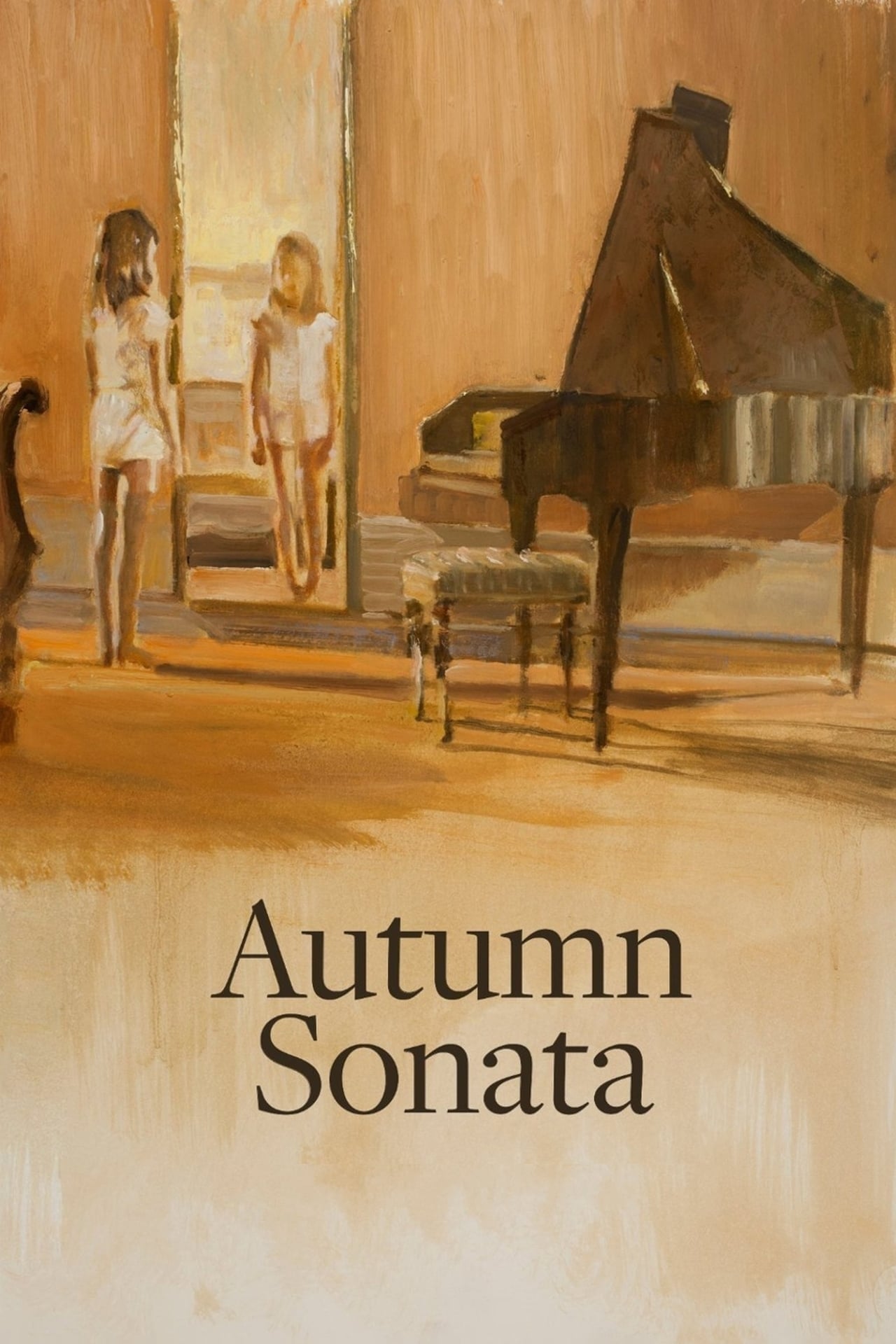
| 1978 | Autumn Sonata | Charlotte | Super Hit | Similar → |
| 1974 | Murder on the Orient Express | Greta Ohlson | Hit | Similar → |
| 1973 | From the Mixed-Up Files of Mrs. Basil E. Frankweiler | Mrs. Frankweiler | Hit | Similar → |
| 1969 | Cactus Flower | Stephanie Dickinson | Hit | Similar → |
| 1966 | The Human Voice | A Woman | Hit | Similar → |
| 1964 | The Visit | Karla Zachanassian | Hit | Similar → |
| 1962 | Hedda Gabler | Hedda Gabler | Hit | Similar → |
| 1961 | Goodbye Again | Paula Tessier | Hit | Similar → |
| 1958 | The Inn of the Sixth Happiness | Gladys Aylward | Hit | Similar → |
| 1958 | Indiscreet | Anna Kalman | Hit | Similar → |
| 1956 | Anastasia | Anna Koreff / Anastasia | Hit | Similar → |
| 1954 | Fear | Irene Wagner | Average | Similar → |
| 1954 | Journey to Italy | Katherine Joyce | Hit | Similar → |
| 1953 | A Brief Encounter with the Rossellini Family | Self | Super Hit | Similar → |
| 1952 | Europe '51 | Irene Girard | Hit | Similar → |
| 1950 | Stromboli | Karin | Hit | Similar → |
| 1946 | Notorious | Alicia Huberman | Super Hit | Similar → |
| 1945 | The Bells of St. Mary's | Sister Mary Benedict | Hit | Similar → |
| 1945 | Spellbound | Dr. Constance Petersen | Hit | Similar → |
| 1944 | Breakdowns of 1944 | Self | Hit | Similar → |
| 1944 | Gaslight | Paula Alquist | Super Hit | Similar → |
| 1943 | For Whom the Bell Tolls | Maria | Hit | Similar → |
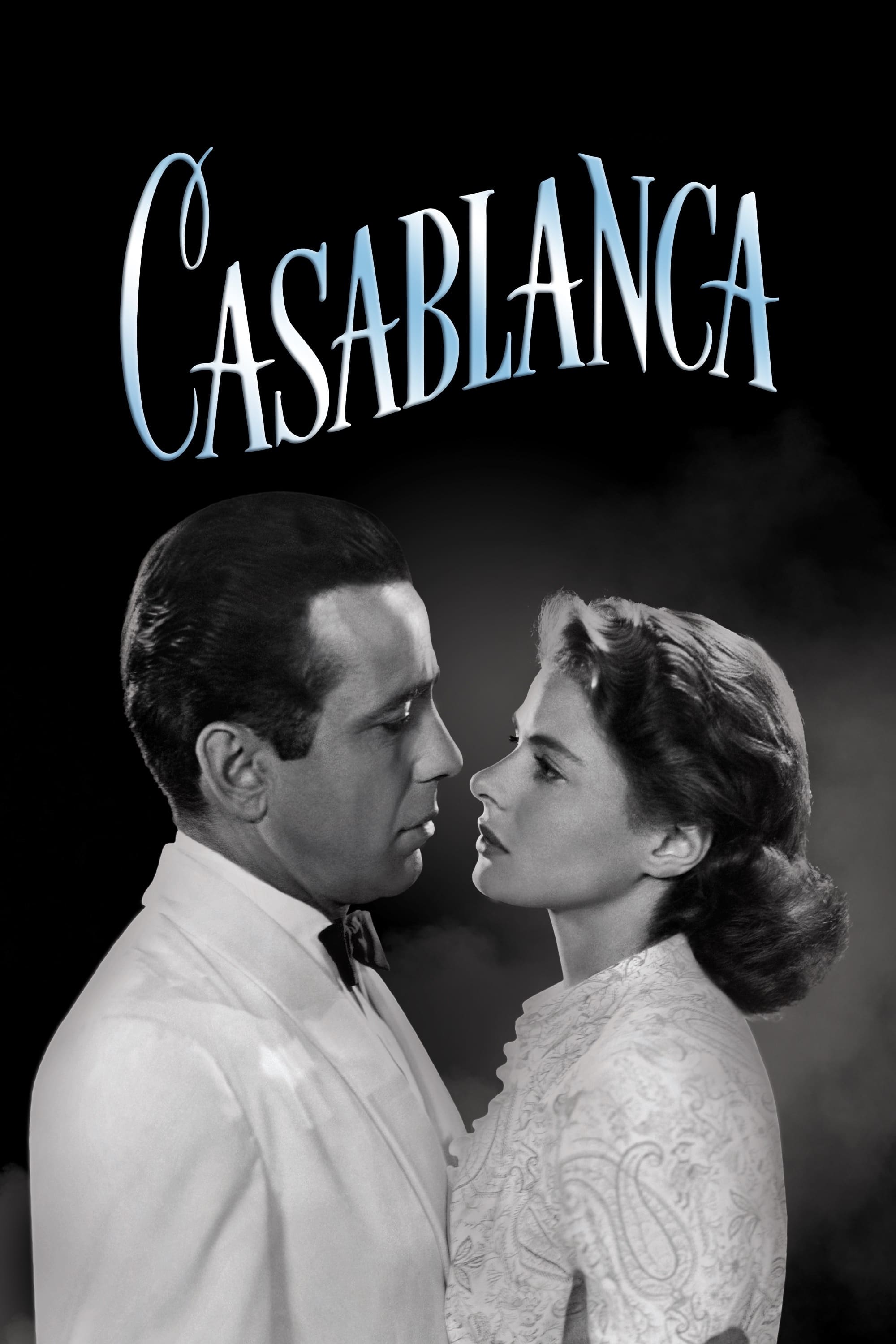
| 1943 | Casablanca | Ilsa Lund | Super Hit | Similar → |
| 1941 | Dr. Jekyll and Mr. Hyde | Ivy Peterson | Hit | Similar → |
| 1941 | Rage in Heaven | Stella Bergen | Average | Similar → |
| 1939 | Intermezzo: A Love Story | Anita Hoffman | Hit | Similar → |
Ingrid Bergman - Frequently Asked Questions
What is the best movie of Ingrid Bergman?
According to audience ratings, the best movie starring Ingrid Bergman is "A Brief Encounter with the Rossellini Family" with a rating of 10.0/10.
How many movies has Ingrid Bergman acted in?
Ingrid Bergman has been featured in at least 50 major films throughout their career.
What are some other popular movies by Ingrid Bergman?
Other notable films include "Julie Andrews Forever", "Casablanca", and "Autumn Sonata".