
William Faversham
ActingAbout William Faversham
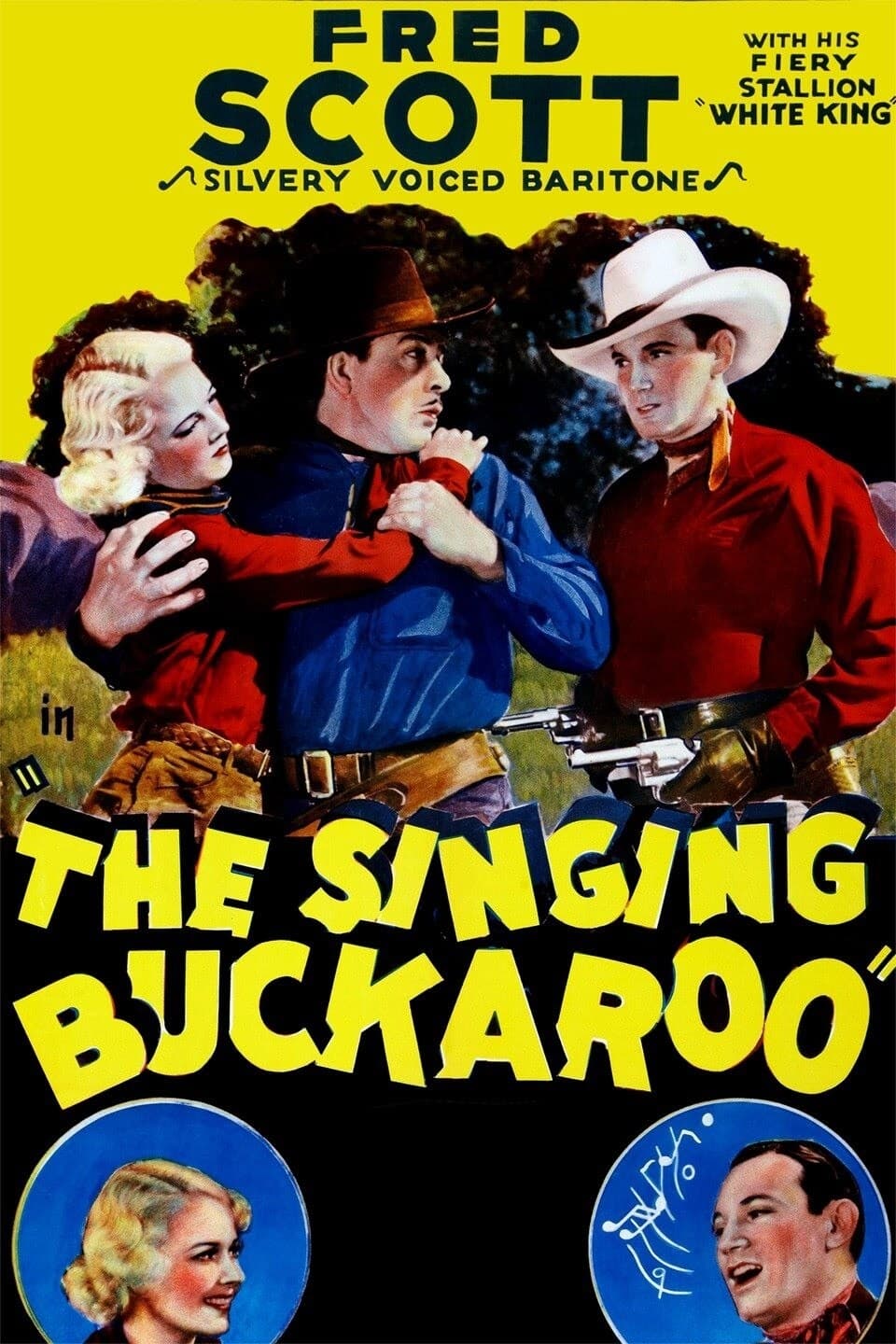
Fom Wikipedia William Faversham (born 12 February 1868 in London – d. 7 April 1940 in Bay Shore, Long Island, New York) William Faversham was an English stage and film actor, manager, producer. Father of William Jr. and Philip. One of the last of the legendary actor-managers, William Faversham became a major name on Broadway in the original production of The Importance of Being Earnest in 1895. Faversham was much admired in such potboilers as Brother Officers (1900), which he revived twice that same year and the next, and he produced, directed, and starred in the original production of The Squaw Man (1906). Productions of both Julius Caesar (1914) and Othello (1917) followed and he became a motion picture star in 1915 courtesy of the burgeoning Metro company. At one point, Faversham's popularity at Metro was second only to that of Francis X. Bushman, the leading matinee idol of the era. Quite elderly by then, Faversham later appeared in bit roles in talkies, including portraying the Duke of Wellington in the Technicolor production of Becky Sharp and, of all things, playing the heroine's father in the low-budget singing cowboy oater The Singing Buckaroo (1937). Faversham's Broadway swan song had come in a 1931 repertory presentation of Julius Caesar, Hamlet, and The Merchant of Venice. He was married to stage actresses Edith Campbell and Julia Opps and was the father of William Faversham (Harvard, Brown-Forman, Cassius Clay/Muhamed Ali) and actor Philip Faversham. He received a star on the Walk of Fame in 1940.
Career Statistics & Market Influence
Analyzing the cinematic journey of William Faversham reveals a career defined by diverse artistic exploration. With a total of 9 major appearances, the actor has established a significant footprint in global cinema.
Genre Dominance: Drama
The majority of William Faversham's filmography leans towards the Drama genre. Audience data suggests that viewers respond most favorably to this persona, though their versatility has allowed for successful crossovers into other categories.
The "Box Office" Signature
With a 0% Success Ratio (movies rated above 6.5), William Faversham remains a reliable draw for studios. Their peak performance was recorded in Becky Sharp, which continues to be the benchmark for their career rating-wise.
Best William Faversham Movies Ranked
Must-watch hits from William Faversham's career based on audience ratings.

Complete Filmography & Success Status
Tracking the career evolution and box office verdicts of William Faversham.
| Year | Movie | Character | Success | More |
|---|---|---|---|---|
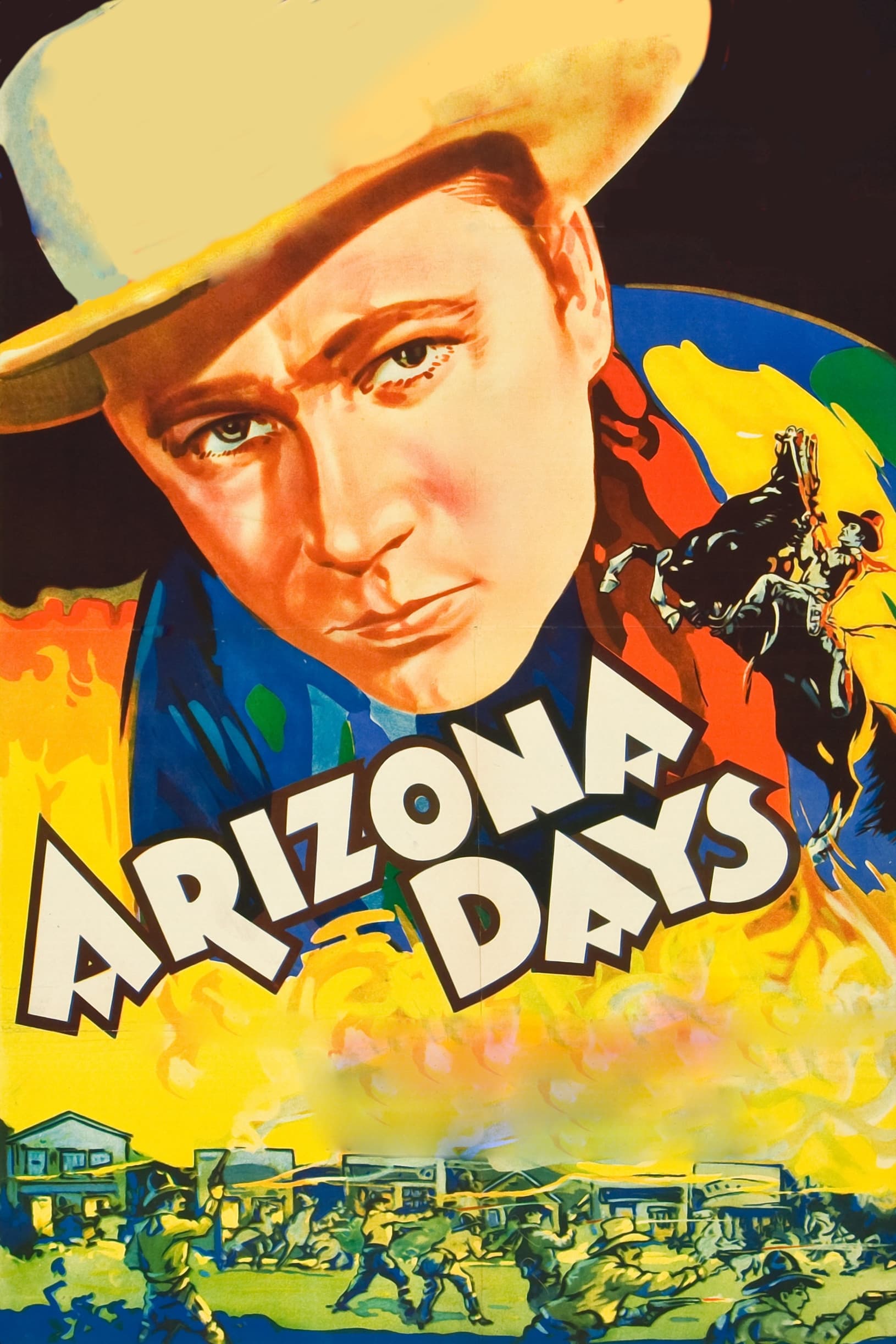
| 1937 | Arizona Days | Professor McGill | Flop | Similar → |
| 1937 | The Singing Buckaroo | Dad Evans | Flop | Similar → |
| 1935 | Becky Sharp | Duke of Wellington | Average | Similar → |
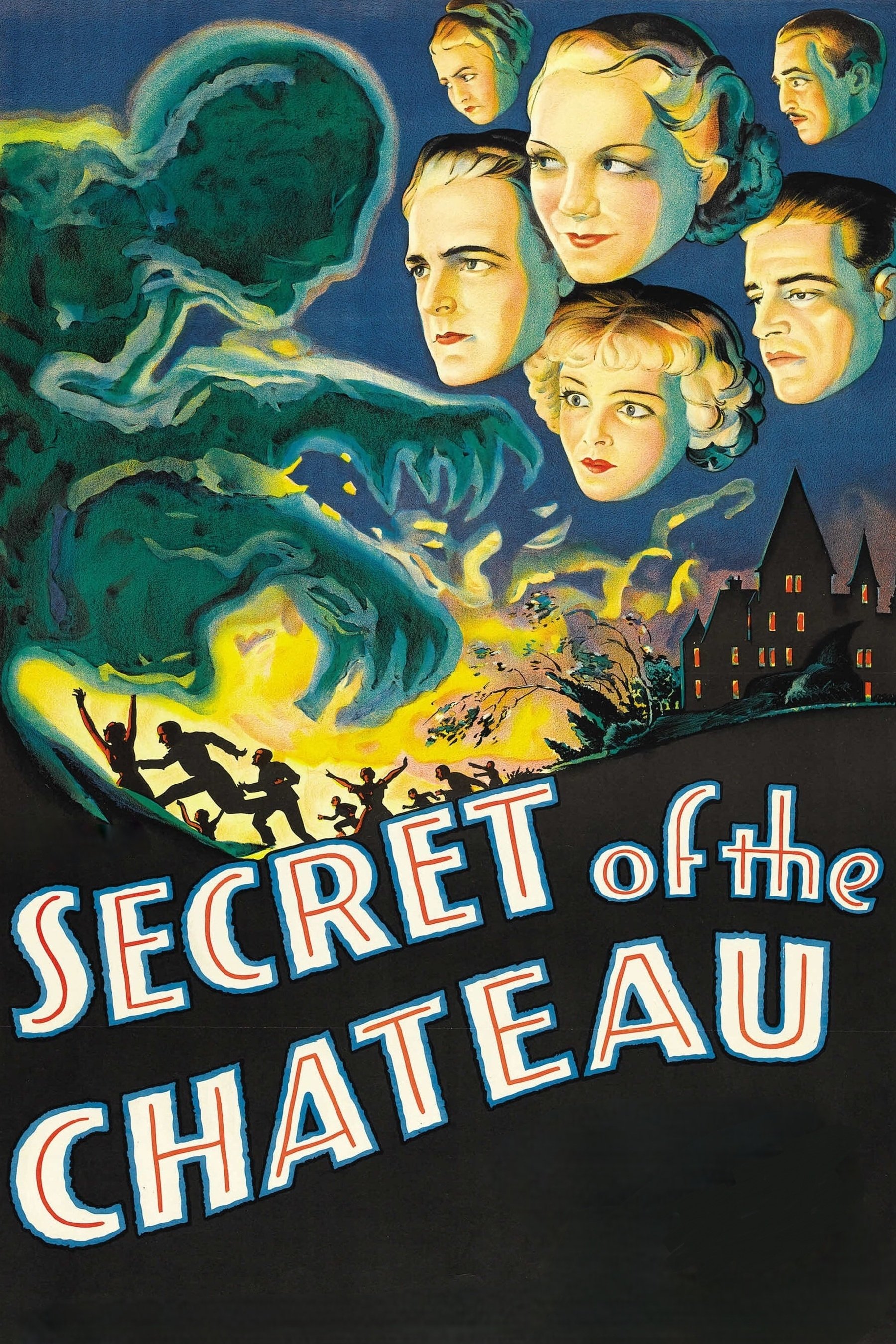
| 1934 | Secret of the Chateau | Monsieur Fos / Professor Racque | Flop | Similar → |
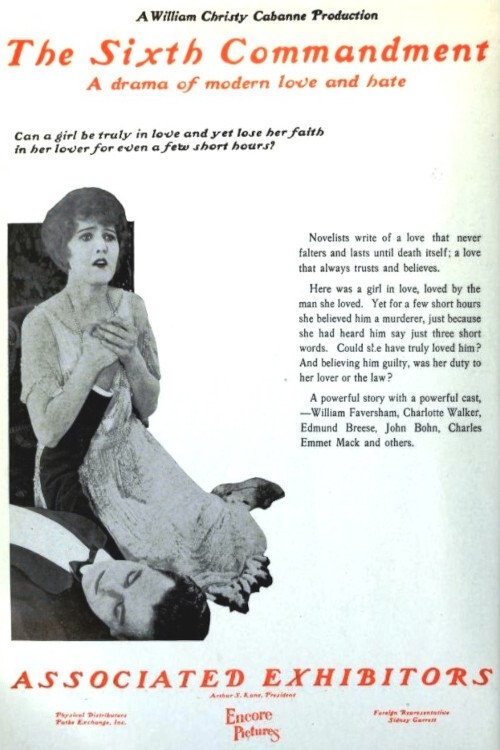
| 1924 | The Sixth Commandment | David Brant | Flop | Similar → |
| 1920 | The Man Who Lost Himself | Victor Jones / Earl of Rochester | Flop | Similar → |
| 1919 | The Silver King | Wilfred Denver | Flop | Similar → |
| 1915 | One Million Dollars | Richard Duvall | Flop | Similar → |
| 1915 | The Right of Way | Charlie Steele | Flop | Similar → |
William Faversham - Frequently Asked Questions
What is the best movie of William Faversham?
According to audience ratings, the best movie starring William Faversham is "Becky Sharp" with a rating of 5.7/10.
How many movies has William Faversham acted in?
William Faversham has been featured in at least 9 major films throughout their career.
What are some other popular movies by William Faversham?
Other notable films include "Secret of the Chateau", "Arizona Days", and "The Sixth Commandment".