
Mikhail Romm
DirectingAbout Mikhail Romm
Mikhail Ilych Romm (Russian: Михаил Ильич Ромм; 24 January [O.S. 11 January] 1901 – 1 November 1971) was a Soviet film director. He was born in Irkutsk. His father was a social democrat of Jewish descent who had been exiled there. He graduated from gymnasium in 1917 and entered the Moscow College for Painting, Sculpture and Architecture. From 1918 - 1921, he served in the Red Army during the Russian civil war, first as a signalman and later rising to the rank of inspector of a Special Commission concerning the numbers of the Red Army and Fleet of the Field Staff of the Supreme Military Soviet of the Republic. As such he travelled a lot and had the opportunity to see much of the life in different parts of the country, something that he later said he "recalled with gratitude". In 1925 he graduated as a sculptor from the class of Anna Golubkina of the Highest Artistic-Technical Institute and worked as a sculptor and translator. In 1928-1930 he conducted research on the theory of cinema in the Institute for the methods of extra-scholastic work. Since 1931 he worked at the Mosfilm studio. In 1940-1943 he was an artistic leader for the Mosfilm films production. In 1942-1947 he was the director of a theater studio for movie actors. From 1938 he was a lecturer, from 1948 he was the leader of the actor's-producer department of the VGIK, professor (from 1962). He influenced many prominent film-directors, including Andrei Tarkovsky, Grigori Chukhrai, Vasily Shukshin, Nikita Mikhalkov, Georgi Daneliya, Aleksander Mitta, Igor Talankin, Rezo Chkheidze, Gleb Panfilov, Vladimir Basov, Tengiz Abuladze, Elem Klimov and many others. He wrote many books and articles on the theory of cinematographic art, and also memoirs. He was awarded the Stalin Prize 5 times (1941, 1946, 1948, 1949, 1951). Romm was an honorary corresponding member of the Academy of the skills of DDR (1967).
Career Statistics & Market Influence
Analyzing the cinematic journey of Mikhail Romm reveals a career defined by diverse artistic exploration. With a total of 6 major appearances, the actor has established a significant footprint in global cinema.
Genre Dominance: Documentary
The majority of Mikhail Romm's filmography leans towards the Documentary genre. Audience data suggests that viewers respond most favorably to this persona, though their versatility has allowed for successful crossovers into other categories.
The "Box Office" Signature
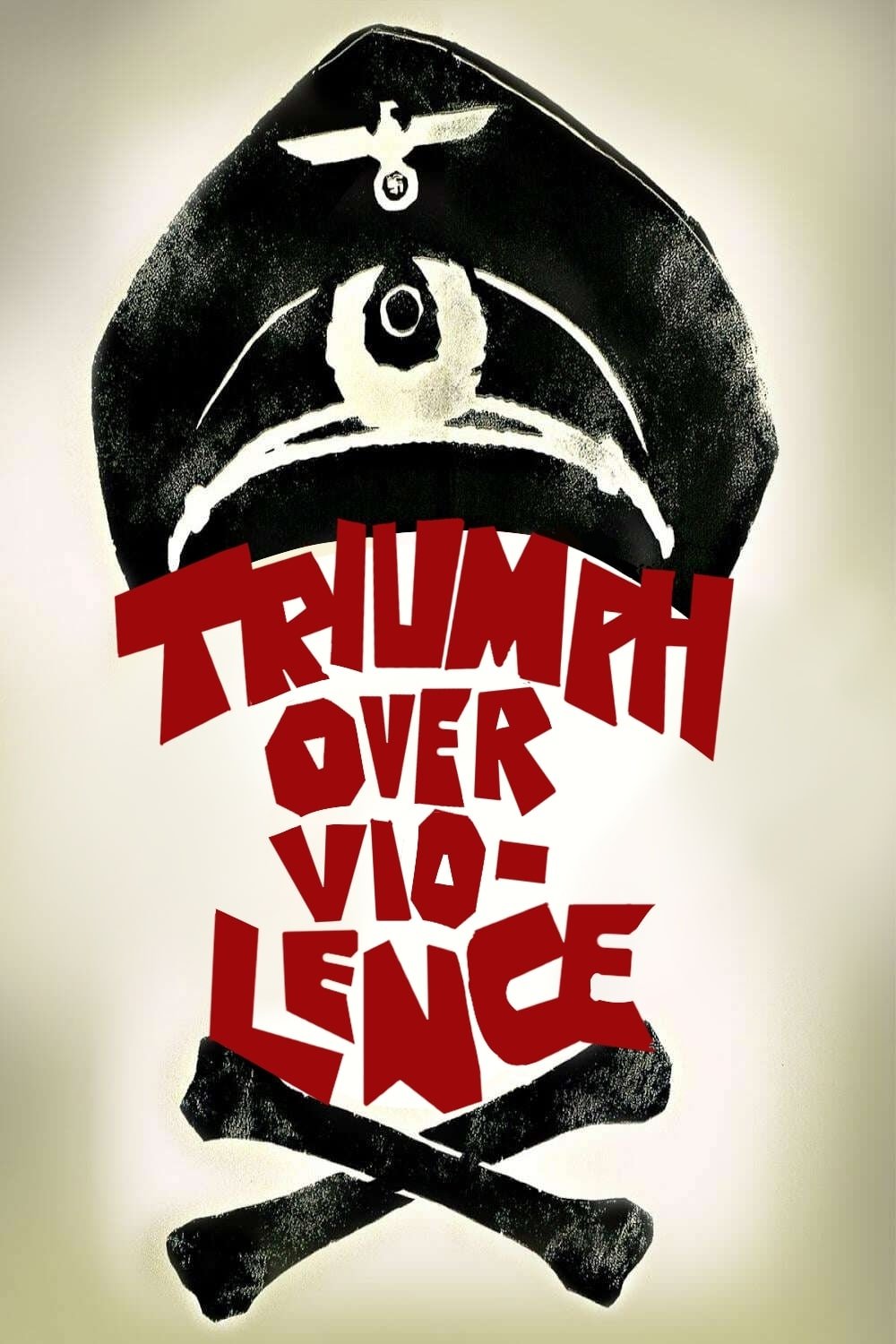
With a 17% Success Ratio (movies rated above 6.5), Mikhail Romm remains a reliable draw for studios. Their peak performance was recorded in Triumph Over Violence, which continues to be the benchmark for their career rating-wise.
Best Mikhail Romm Movies Ranked
Must-watch hits from Mikhail Romm's career based on audience ratings.
Complete Filmography & Success Status
Tracking the career evolution and box office verdicts of Mikhail Romm.
| Year | Movie | Character | Success | More |
|---|---|---|---|---|
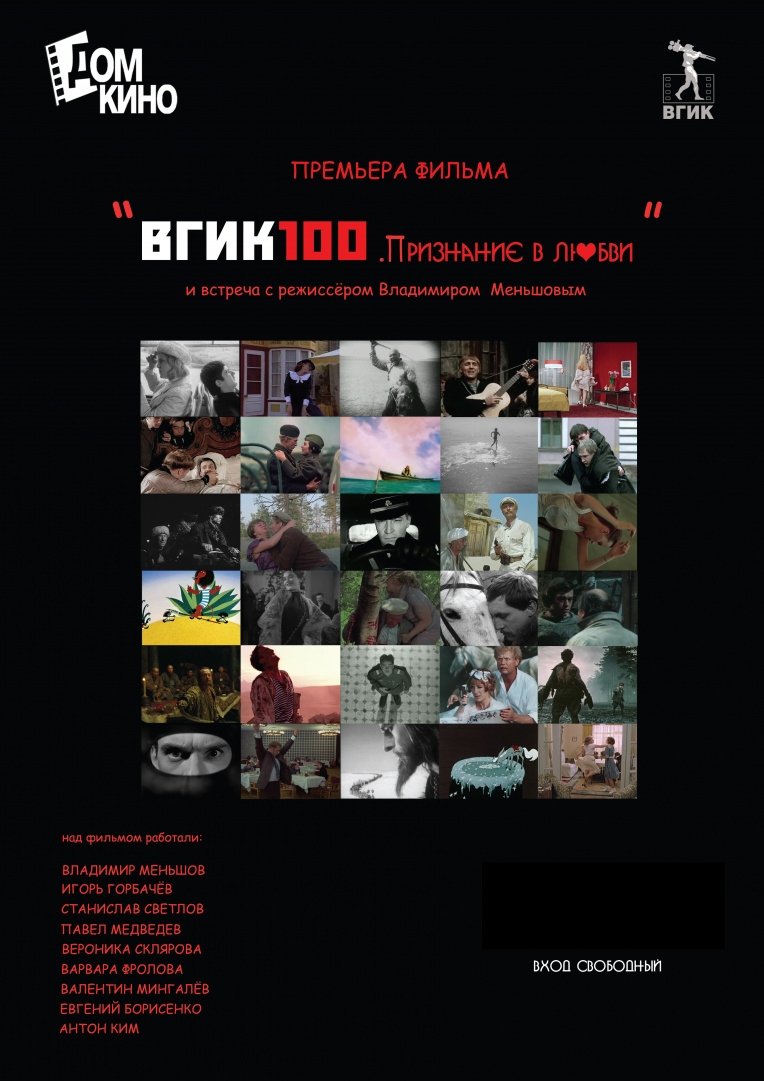
| 2019 | ВГИК100. Признание в любви | self (archive footage) | Flop | Similar → |
| 1985 | Mikhail Romm. Confessions Of A Film Director | Himself (archive footage) | Flop | Similar → |
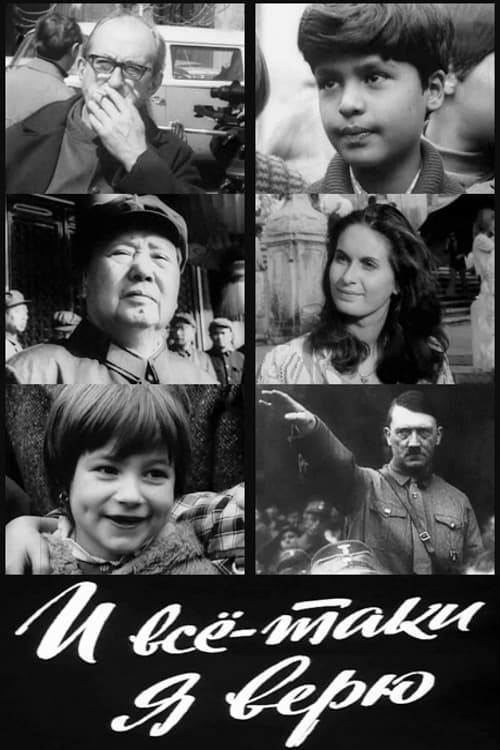
| 1974 | And Still I Believe | himself | Flop | Similar → |
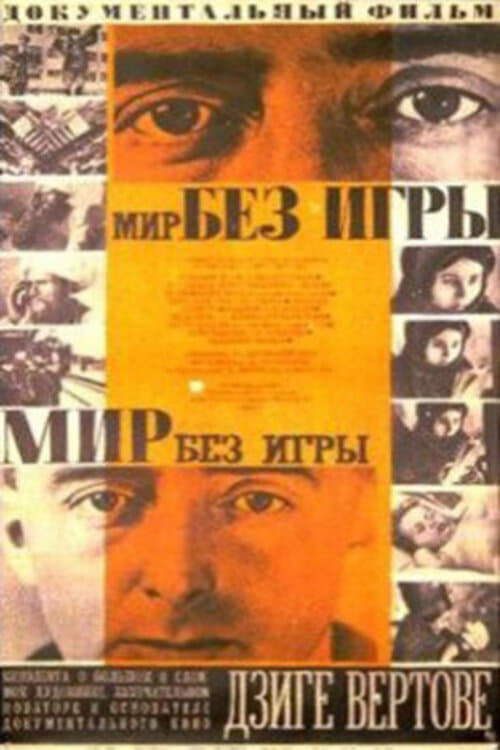
| 1966 | World Without a Game | Archive footage | Flop | Similar → |
| 1965 | Triumph Over Violence | Narrator (voice) | Hit | Similar → |
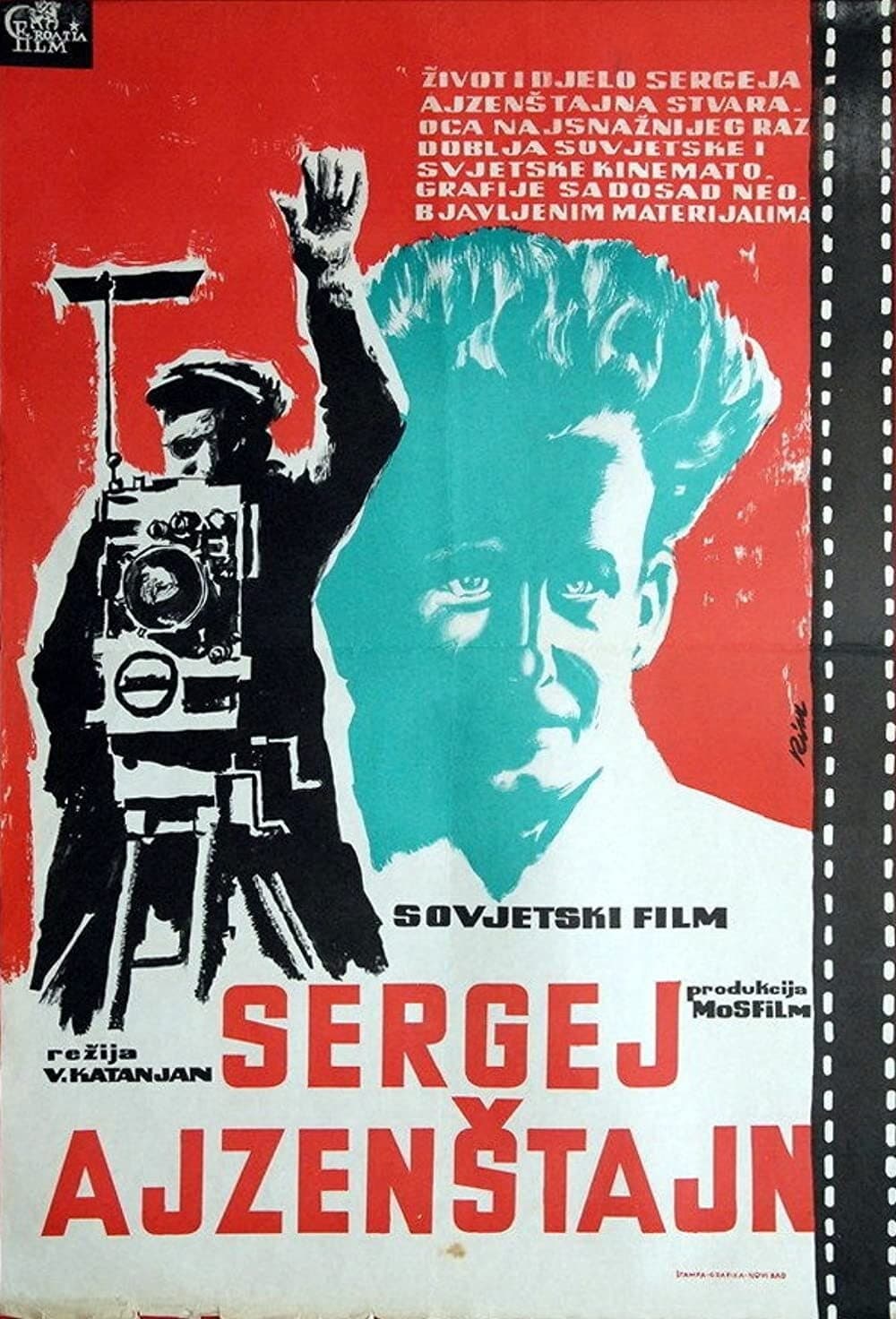
| 1958 | Sergei Eisenstein | Self (archive footage) | Flop | Similar → |
Mikhail Romm - Frequently Asked Questions
What is the best movie of Mikhail Romm?
According to audience ratings, the best movie starring Mikhail Romm is "Triumph Over Violence" with a rating of 7.4/10.
How many movies has Mikhail Romm acted in?
Mikhail Romm has been featured in at least 6 major films throughout their career.
What are some other popular movies by Mikhail Romm?
Other notable films include "And Still I Believe", "World Without a Game", and "Sergei Eisenstein".