
Alfred Lunt
ActingAbout Alfred Lunt
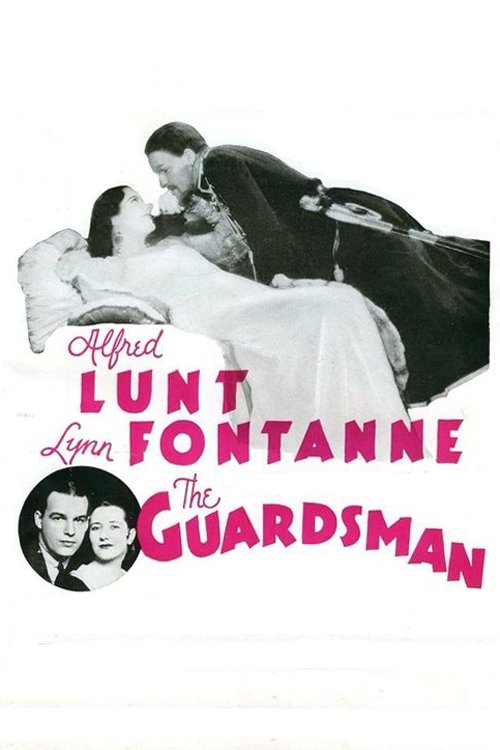
From Wikipedia Alfred Lunt (August 12, 1892 – August 3, 1977) was an American stage director and actor, often identified for a long-time professional partnership with his wife, actress Lynn Fontanne. Broadway's Lunt-Fontanne Theatre was named for them. Along with his wife Lynn Fontanne, whom he married on May 26, 1922, in New York City, he was half of the pre-eminent Broadway acting couple of American history, having the Lunt-Fontanne Theatre on Broadway named in their honour. Secure in their public image as a happily married couple, they could play adulterers, as in Robert Sherwood's Reunion in Vienna, or as part of a ménage a trois in Noël Coward's Design for Living. (In fact, Design for Living, written for the Lunts, was so risqué, with its theme of bisexuality and a ménage à trois, that Coward premiered it in New York, knowing that it would not survive the censor in London.) The Lunts appeared together in more than twenty plays. They also appeared posthumously on an American postage stamp. The couple made one film together (The Guardsman; 1931), starred in several radio dramas for the Theatre Guild in the 1940s and starred in a few television productions in the 1950s and 1960s. They retired in 1966. In 1964, Lunt and Fontanne were presented with the Presidential Medal of Freedom by President Lyndon Johnson. Like Lynn Fontanne, Alfred Lunt is a member of the American Theatre Hall of Fame. Ten Chimneys, Alfred and Lynn's estate in Genesee Depot, located in Waukesha County, Wisconsin, is now a house museum and resource center for theater. Alfred Lunt died August 3, 1977, nine days before his 85th birthday, in Chicago from cancer. He is buried next to his wife at the Forest Home Cemetery in Milwaukee.
Career Statistics & Market Influence
Analyzing the cinematic journey of Alfred Lunt reveals a career defined by diverse artistic exploration. With a total of 9 major appearances, the actor has established a significant footprint in global cinema.
Genre Dominance: Romance
The majority of Alfred Lunt's filmography leans towards the Romance genre. Audience data suggests that viewers respond most favorably to this persona, though their versatility has allowed for successful crossovers into other categories.
The "Box Office" Signature
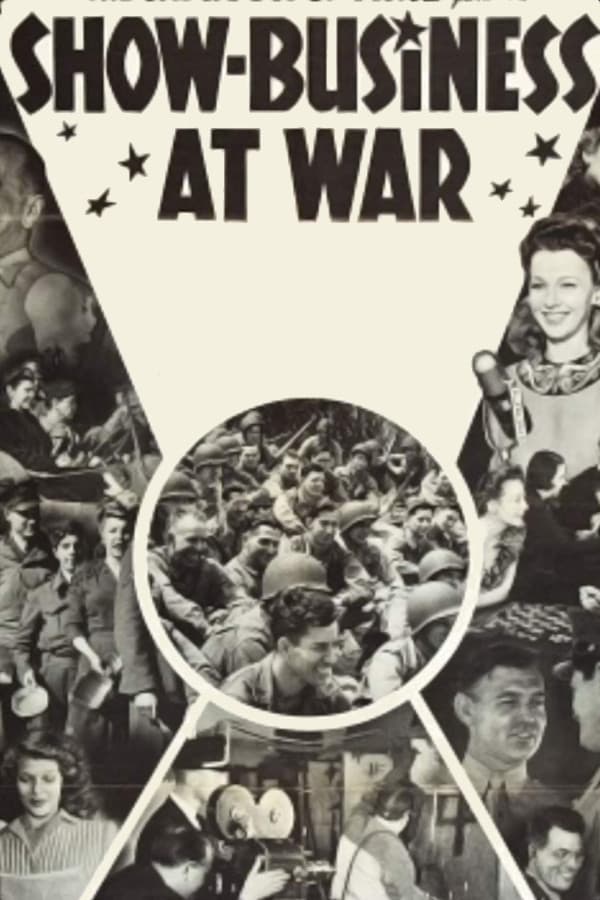
With a 11% Success Ratio (movies rated above 6.5), Alfred Lunt remains a reliable draw for studios. Their peak performance was recorded in Show-Business at War, which continues to be the benchmark for their career rating-wise.
Best Alfred Lunt Movies Ranked
Must-watch hits from Alfred Lunt's career based on audience ratings.

Complete Filmography & Success Status
Tracking the career evolution and box office verdicts of Alfred Lunt.
| Year | Movie | Character | Success | More |
|---|---|---|---|---|
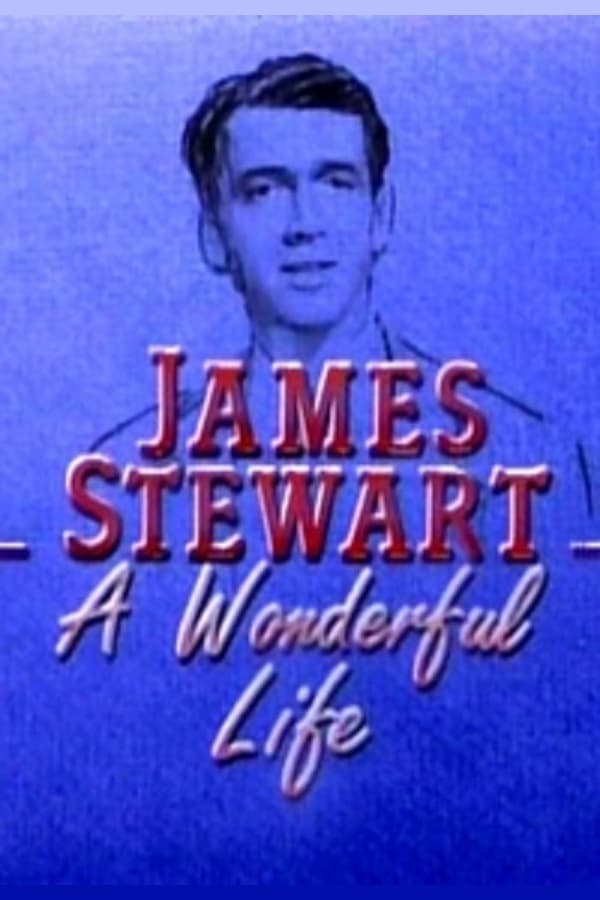
| 1987 | James Stewart: A Wonderful Life | Self (archive footage) | Average | Similar → |
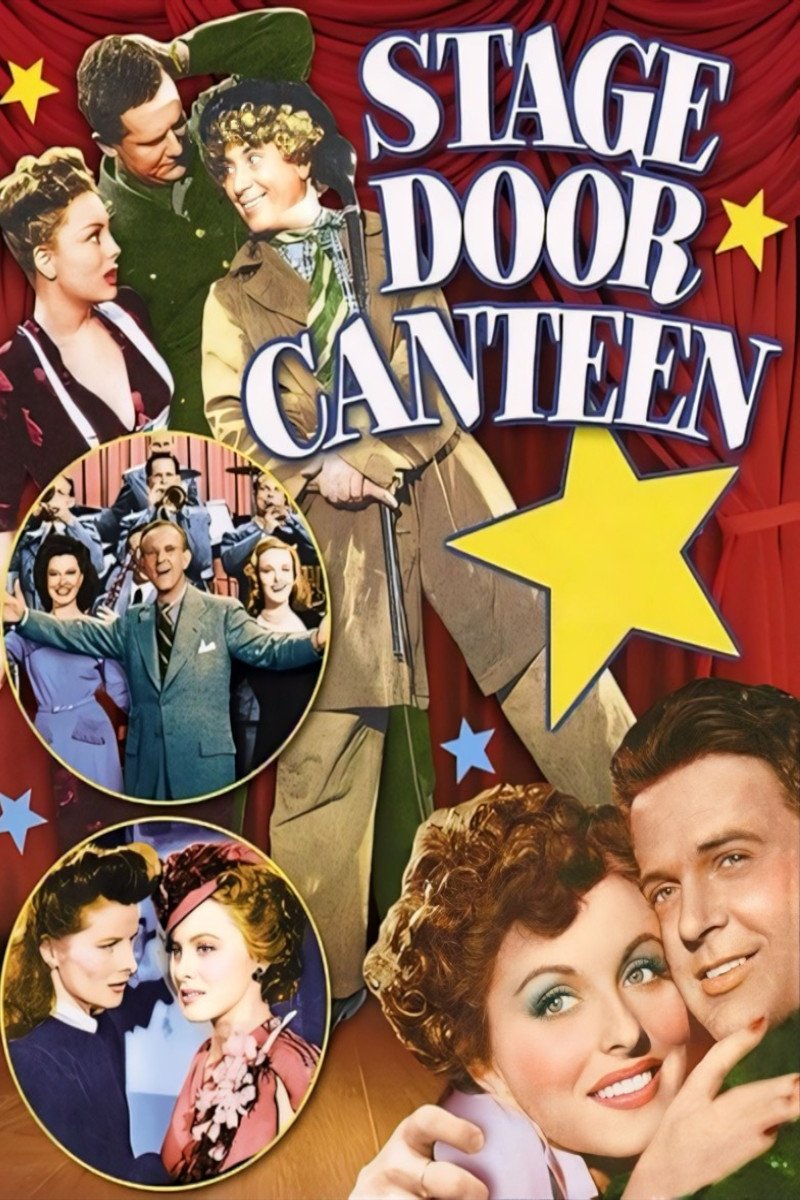
| 1943 | Stage Door Canteen | Alfred Lunt | Average | Similar → |
| 1943 | Show-Business at War | Self | Hit | Similar → |
| 1931 | The Guardsman | The Actor | Flop | Similar → |
| 1925 | Lovers in Quarantine | MackIntosh Josephs | Flop | Similar → |
| 1925 | Sally of the Sawdust | Peyton Lennox | Average | Similar → |
| 1924 | Second Youth | Roland Farwell Francis | Flop | Similar → |
| 1923 | The Ragged Edge | Howard Spurlock | Flop | Similar → |
| 1923 | Backbone | John Thorne / Andre de Mersay | Flop | Similar → |
Alfred Lunt - Frequently Asked Questions
What is the best movie of Alfred Lunt?
According to audience ratings, the best movie starring Alfred Lunt is "Show-Business at War" with a rating of 7.0/10.
How many movies has Alfred Lunt acted in?
Alfred Lunt has been featured in at least 9 major films throughout their career.
What are some other popular movies by Alfred Lunt?
Other notable films include "Stage Door Canteen", "Sally of the Sawdust", and "James Stewart: A Wonderful Life".