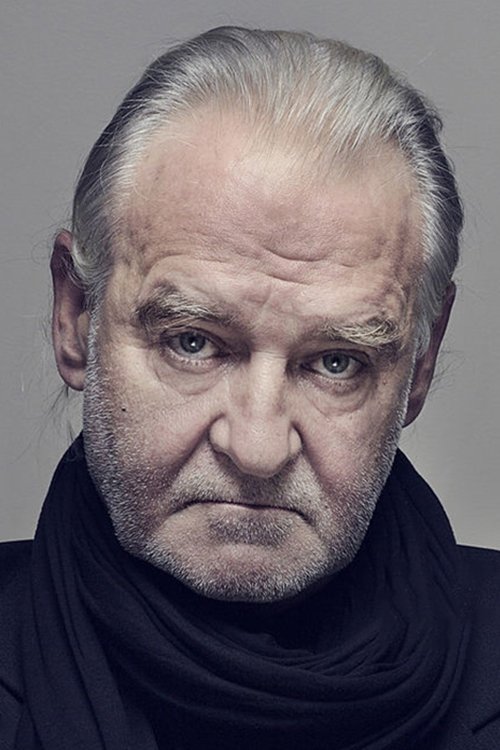
Béla Tarr
DirectingAbout Béla Tarr
Béla Tarr (July 21, 1955 – January 6, 2026) was a Hungarian filmmaker. Much of his work is marked by philosophical elements and a pessimistic view of humanity. His films utilize unconventional storytelling methods, such as long takes and/or non-professional actors to achieve realism. Debuting with Family Nest in 1979, Tarr underwent a period of what he refers to as "social cinema", aimed at telling mundane stories about ordinary people, often in the style of cinema vérité. Over the next decade, the cinematography of Tarr's films gradually changed; Damnation (1988) was shot with languid camera movement aimed at establishing ambience. It marked Tarr's earliest experimentation with philosophical themes, focused mostly on bleak and desolate representations of reality. Sátántangó (1994) and Werckmeister Harmonies (2000) continued this approach; both are considered by some critics to be among the greatest films ever made. Tarr would later compete in the 2007 Cannes Film Festival with his film The Man From London. Frequent collaborators of Tarr include his wife Ágnes Hranitzky, novelist László Krasznahorkai, film composer Mihály Víg, cinematographer Fred Kelemen, and actress Erika Bók. After the release of his film The Turin Horse (2011), Tarr announced his definitive retirement from film direction. He has been teaching at the Sarajevo Film School since. Tarr died on 6 January 2026 following a long and serious illness. Description above from the Wikipedia article Béla Tarr, licensed under CC-BY-SA, full list of contributors on Wikipedia.
Béla Tarr Movies & Career Overview
The filmography of Béla Tarr reflects a career marked by diverse experimentation. Across 11 major appearances, the actor has built a reputation through performances in multiple genres and storytelling styles.
Dominant Genre
A large portion of Béla Tarr's work falls within the Documentary genre, where audiences tend to respond most strongly to their on-screen presence.
Success Ratio
Approximately 36% of Béla Tarr's films maintain ratings above 6.5, indicating a consistent level of audience approval.
One of the most highly rated entries in their career remains 365 Day Project, which stands out as a key performance.
Best Béla Tarr Movies Ranked
Must-watch hits from Béla Tarr's career based on audience ratings.


Full Filmography
Every movie Béla Tarr has appeared in, with audience ratings and verdicts.
| Year | Movie | Character | Success | More |
|---|---|---|---|---|
| 2025 | FUKUSHIMA with BÉLA TARR | Self | Flop | Similar → |
| 2018 | A Country Divided | - | Flop | Similar → |
| 2015 | About Cinema | Self | Super Hit | Similar → |
| 2014 | Tarr Béla: I Used to Be a Filmmaker | Himself | Hit | Similar → |
| 2011 | The State That I Am Fish | Béla Tarr | Flop | Similar → |
| 2008 | Béla Tarr: Mysterious Harmonies | Himself | Flop | Similar → |
| 2007 | 365 Day Project | Self | Super Hit | Similar → |
| 1987 | Season of Monsters | - | Average | Similar → |
| 1984 | The Doctor's Pupil | - | Flop | Similar → |
| N/A | Il vento del cinema | - | Flop | Similar → |
| 1965 | Iván Iljics halála | Vászja (as Tar Béla) | Super Hit | Similar → |
Béla Tarr - Frequently Asked Questions
What is the best movie of Béla Tarr?
According to audience ratings, the best movie starring Béla Tarr is "365 Day Project" with a rating of 10.0/10.
How many movies has Béla Tarr acted in?
Béla Tarr has been featured in at least 11 major films throughout their career.
What are some other popular movies by Béla Tarr?
Other notable films include "Iván Iljics halála", "About Cinema", and "Tarr Béla: I Used to Be a Filmmaker".