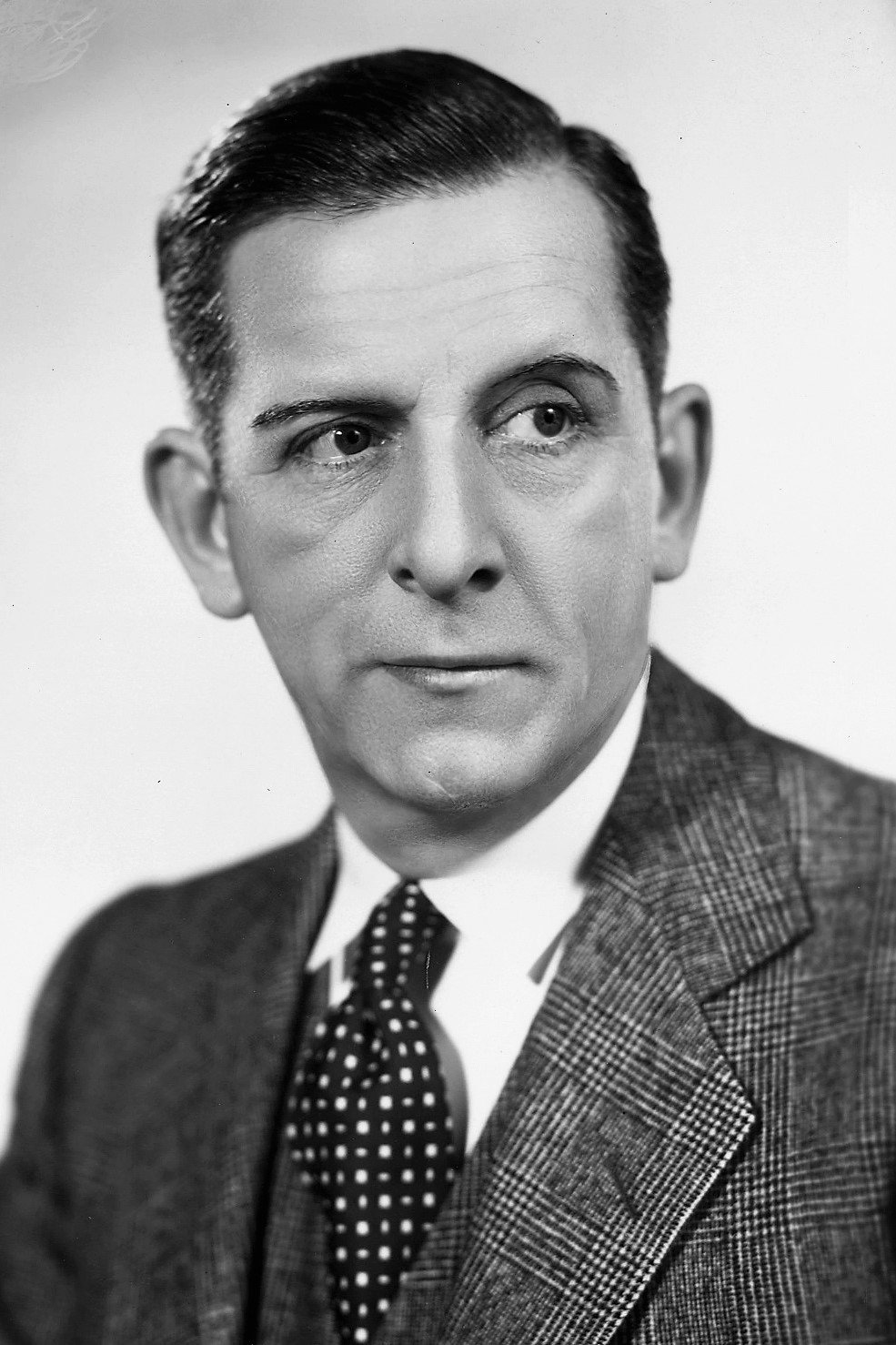
Edward Everett Horton
ActingAbout Edward Everett Horton
From Wikipedia, the free encyclopedia Edward Everett Horton Jr. (March 18, 1886 – September 29, 1970) was an American character actor. He had a long career in film, theater, radio, television, and voice work for animated cartoons. Horton began his stage career in 1906, singing and dancing and playing small parts in vaudeville and in Broadway productions. In 1919, he moved to Los Angeles, California, where he began acting in Hollywood films. His first starring role was in the comedy Too Much Business (1922), but he portrayed the lead role of an idealistic young classical composer in the drama Beggar on Horseback (1925). In the late 1920s, he starred in two-reel silent comedies for Educational Pictures, and made the transition to talking pictures with Educational in 1929. As a stage-trained performer, he found more film work easily, and appeared in some of Warner Bros.' early talkies, including The Terror (1928) and Sonny Boy (1929). Horton initially used his given name, Edward Horton, professionally. His father persuaded him to adopt his full name professionally, reasoning that other actors might be named Edward Horton, but only one named Edward Everett Horton. Horton soon cultivated his own special variation of the time-honored double take (an actor's reaction to something, followed by a delayed, more extreme reaction). In Horton's version, he would smile ingratiatingly and nod in agreement with what just happened; then, when realization set in, his facial features collapsed entirely into a sober, troubled mask. Horton starred in many comedy features in the 1930s, usually playing a mousy fellow who put up with domestic or professional problems to a certain point, and then finally asserted himself for a happy ending. He is best known, however, for his work as a character actor in supporting roles. These include The Front Page (1931), Trouble in Paradise (1932), Alice in Wonderland (1933), The Gay Divorcee (1934, the first of several Astaire/Rogers films in which Horton appeared), Top Hat (1935), Danger - Love at Work (1937), Lost Horizon (1937), Holiday (1938), Here Comes Mr. Jordan (1941), Arsenic and Old Lace (1944), Pocketful of Miracles (1961), It's a Mad, Mad, Mad, Mad World (1963), and Sex and the Single Girl (1964). His last role was in the comedy film Cold Turkey (1971), in which his character communicated only through facial expressions.
Edward Everett Horton Movies & Career Overview
The filmography of Edward Everett Horton reflects exceptional commercial consistency. Across 50 major appearances, the actor has built a reputation through performances in multiple genres and storytelling styles.
Dominant Genre
A large portion of Edward Everett Horton's work falls within the Comedy genre, where audiences tend to respond most strongly to their on-screen presence.
Success Ratio
Approximately 100% of Edward Everett Horton's films maintain ratings above 6.5, indicating a consistent level of audience approval.
One of the most highly rated entries in their career remains Take the Heir, which stands out as a key performance.
Best Edward Everett Horton Movies Ranked
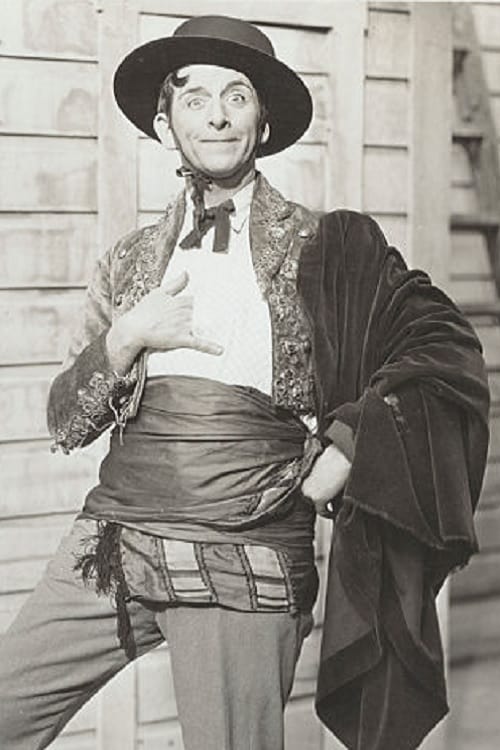
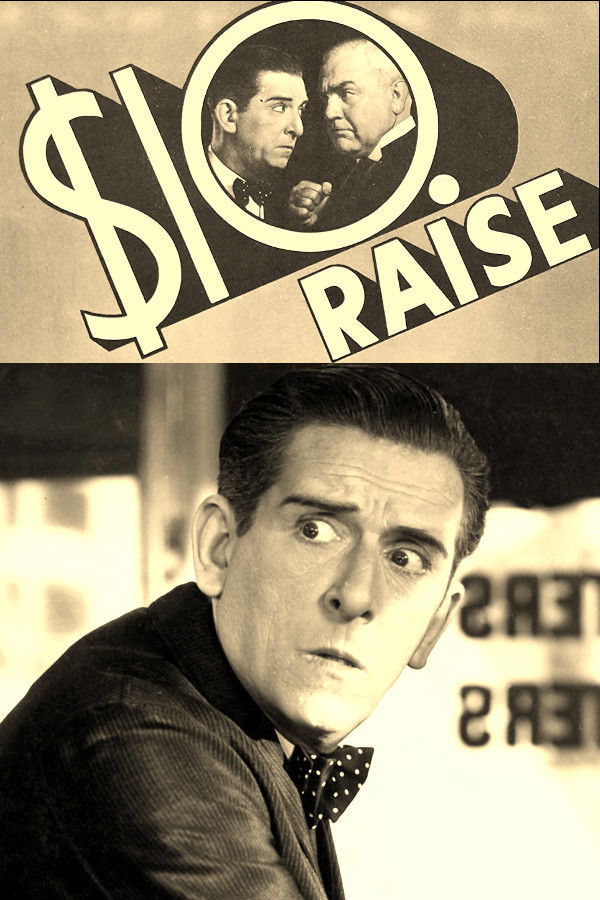
Must-watch hits from Edward Everett Horton's career based on audience ratings.
Full Filmography
Every movie Edward Everett Horton has appeared in, with audience ratings and verdicts.
| Year | Movie | Character | Success | More |
|---|---|---|---|---|
| 1969 | 2000 Years Later | Evermore | Super Hit | Similar → |
| 1963 | It's a Mad, Mad, Mad, Mad World | Mr. Dinckler | Hit | Similar → |
| 1961 | Pocketful of Miracles | Hudgins | Hit | Similar → |
| 1946 | Earl Carroll Sketchbook | Dr. Milo Edwards | Super Hit | Similar → |
| 1944 | The Town Went Wild | Everett Conway | Hit | Similar → |
| 1944 | Arsenic and Old Lace | Mr. Witherspoon | Super Hit | Similar → |
| 1944 | Her Primitive Man | Orrin | Super Hit | Similar → |
| 1943 | Forever and a Day | Anthony Trimble-Pomfret | Super Hit | Similar → |
| 1942 | The Magnificent Dope | Horace Hunter | Hit | Similar → |
| 1941 | Here Comes Mr. Jordan | Messenger 7013 | Hit | Similar → |
| 1941 | Bachelor Daddy | Joseph Smith | Super Hit | Similar → |
| 1939 | The Gang's All Here | Treadwell | Super Hit | Similar → |
| 1938 | Little Tough Guys in Society | Oliver | Hit | Similar → |
| 1938 | Holiday | Nick Potter | Hit | Similar → |
| 1938 | Bluebeard's 8th Wife | Marquis De Loiselle | Hit | Similar → |
| 1937 | Danger – Love at Work | Howard Rogers | Hit | Similar → |
| 1937 | Wild Money | P.E. Dodd | Super Hit | Similar → |
| 1937 | Shall We Dance | Jeffrey Baird | Hit | Similar → |
| 1937 | Lost Horizon | Alexander P. " Lovey " Lovett | Hit | Similar → |
| 1936 | Let's Make a Million | Harrison Gentry | Super Hit | Similar → |
| 1936 | The Singing Kid | Davenport Rogers | Hit | Similar → |
| 1935 | Little Big Shot | Mortimer Thompson | Hit | Similar → |
| 1935 | Top Hat | Horace Hardwick | Hit | Similar → |
| 1935 | $10 Raise | Hubert T. Wilkins | Super Hit | Similar → |
| 1934 | It's a Boy | Dudley Leake | Super Hit | Similar → |
| 1934 | Uncertain Lady | Elliot Crane | Super Hit | Similar → |
| 1934 | The Poor Rich | Albert Stuyvesant Spottiswood | Super Hit | Similar → |
| 1933 | Design for Living | Max Plunkett | Hit | Similar → |
| 1933 | The Way to Love | Professor Gaston Bibi | Super Hit | Similar → |
| 1933 | Soldiers of the King | Sebastian Marvello | Super Hit | Similar → |
| 1932 | Trouble in Paradise | François Filiba | Hit | Similar → |
| 1931 | The Great Junction Hotel | The Groom | Super Hit | Similar → |
| 1931 | The Age for Love | Horace Keats | Super Hit | Similar → |
| 1931 | Six Cylinder Love | Monty Winston | Super Hit | Similar → |
| 1931 | Kiss Me Again | Rene | Super Hit | Similar → |
| 1930 | Once a Gentleman | Oliver | Super Hit | Similar → |
| 1930 | Take the Heir | Smithers | Super Hit | Similar → |
| 1929 | The Sap | The Sap, Bill Small | Super Hit | Similar → |
| 1928 | The Terror | Ferdinand Fane | Super Hit | Similar → |
| 1928 | Behind the Counter | Eddie Baxter | Super Hit | Similar → |
| 1928 | Dad's Choice | Eddie | Hit | Similar → |
| 1928 | Call Again | Eddie | Super Hit | Similar → |
| 1927 | Find the King | Edward Fairchild | Super Hit | Similar → |
| 1927 | Taxi! Taxi! | Peter Whitby | Super Hit | Similar → |
| 1926 | The Whole Town's Talking | Chester Binney | Hit | Similar → |
| 1924 | To the Ladies | Leonard Beebe | Super Hit | Similar → |
| 1924 | The Man Who Fights Alone | Bob Alten | Super Hit | Similar → |
| 1924 | Flapper Wives | Vincent Platt | Super Hit | Similar → |
| 1923 | Ruggles of Red Gap | Ruggles | Hit | Similar → |
| 1922 | The Ladder Jinx | Arthur Barnes | Super Hit | Similar → |
Edward Everett Horton - Frequently Asked Questions
What is the best movie of Edward Everett Horton?
According to audience ratings, the best movie starring Edward Everett Horton is "Take the Heir" with a rating of 10.0/10.
How many movies has Edward Everett Horton acted in?
Edward Everett Horton has been featured in at least 50 major films throughout their career.
What are some other popular movies by Edward Everett Horton?
Other notable films include "It's a Boy", "The Sap", and "Once a Gentleman".