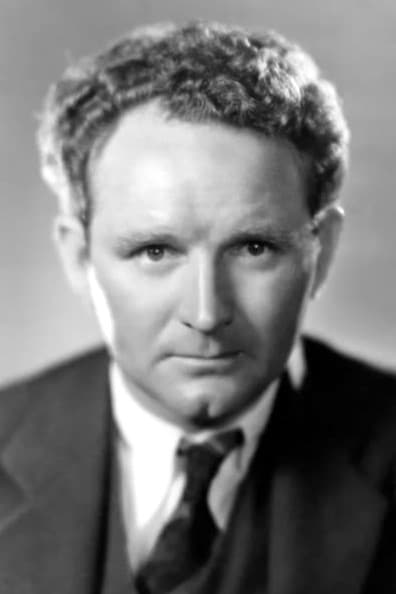
Frank Borzage
DirectingAbout Frank Borzage
From Wikipedia, the free encyclopedia Frank Borzage (April 23, 1894 – June 19, 1962) was an Academy Award-winning American film director and actor, known for directing 7th Heaven (1927), Street Angel (1928), Bad Girl (1931), A Farewell to Arms (1932), Man's Castle (1933), History Is Made at Night (1937), The Mortal Storm (1940) and Moonrise (1948). In 1912 Borzage found employment as an actor in Hollywood; he continued to work as an actor until 1917. His directorial debut came in 1915 with the film The Pitch o' Chance. He was a successful director throughout the 1920s, but reached his peak in the late silent and early sound era. Absorbing visual influences from the German director F.W. Murnau, who was also resident at Fox at this time, Borzage developed his own style of lushly visual romanticism in a hugely successful series of films starring Janet Gaynor and Charles Farrell, including 7th Heaven (1927), for which he won the first Academy Award for Best Director, Street Angel (1928) and Lucky Star (1929). He won a second Oscar for 1931's Bad Girl. He directed 14 films between 1917 and 1919 alone. His greatest success in the silent era was with Humoresque, a box office winner starring Vera Gordon. Borzage's trademark was intense identification with the feelings of young lovers in the face of adversity, with love in his films triumphing over such trials as World War I (7th Heaven and A Farewell to Arms), disability (Lucky Star), the Depression (Man's Castle), a thinly disguised version of the Titanic disaster in History Is Made at Night, and the rise of Nazism, a theme which Borzage had virtually to himself among Hollywood filmmakers from Little Man, What Now? (1933) to Three Comrades (1938) and The Mortal Storm (1940). His work took a spiritual turn in such films as Green Light (1937), Strange Cargo (1940) and The Big Fisherman (1959). Of his later work only the film noir Moonrise (1948) has enjoyed much critical acclaim. After 1948, Borzage's output was sporadic. In 1955 and 1957, he was awarded The George Eastman Award, given by George Eastman House for distinguished contribution to the art of film. Frank Borzage died of cancer in 1962, aged 68.
Frank Borzage Movies & Career Overview
The filmography of Frank Borzage reflects a career marked by diverse experimentation. Across 50 major appearances, the actor has built a reputation through performances in multiple genres and storytelling styles.
Dominant Genre
A large portion of Frank Borzage's work falls within the Drama genre, where audiences tend to respond most strongly to their on-screen presence.
Success Ratio
Approximately 44% of Frank Borzage's films maintain ratings above 6.5, indicating a consistent level of audience approval.
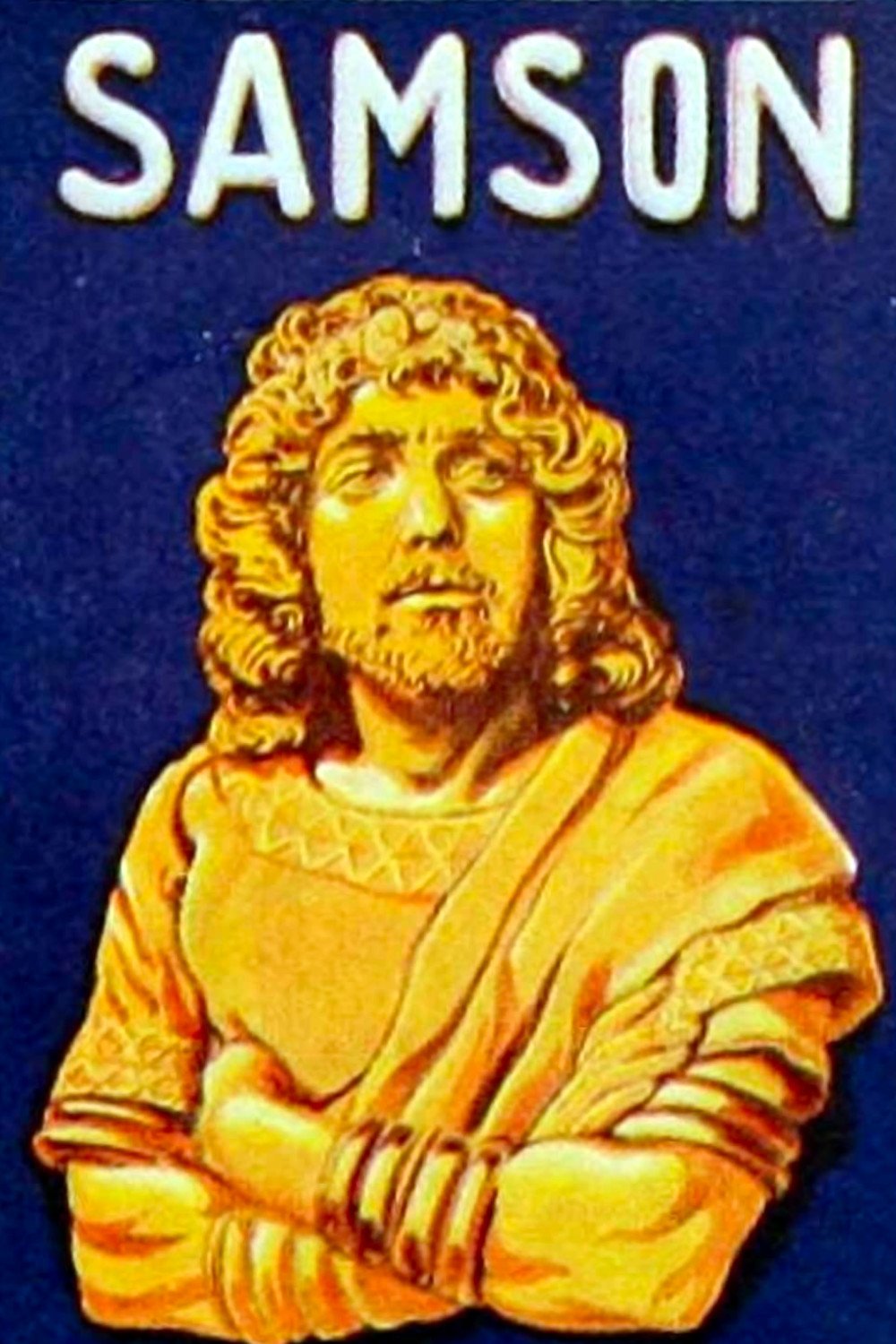
One of the most highly rated entries in their career remains Samson, which stands out as a key performance.
Best Frank Borzage Movies Ranked
Must-watch hits from Frank Borzage's career based on audience ratings.
Full Filmography
Every movie Frank Borzage has appeared in, with audience ratings and verdicts.
Frank Borzage - Frequently Asked Questions
What is the best movie of Frank Borzage?
According to audience ratings, the best movie starring Frank Borzage is "Samson" with a rating of 10.0/10.
How many movies has Frank Borzage acted in?
Frank Borzage has been featured in at least 50 major films throughout their career.
What are some other popular movies by Frank Borzage?
Other notable films include "In the Switch Tower", "In the Toils", and "The Clean-Up".