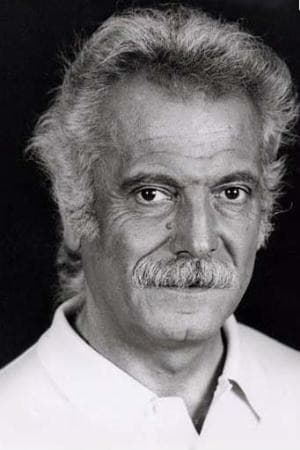
Georges Brassens
ActingAbout Georges Brassens
Georges Charles Brassens (22 October 1921 – 29 October 1981) was a French singer-songwriter and poet. As an iconic figure in France, he achieved fame through his elegant songs with their harmonically complex music for voice and guitar and articulate, diverse lyrics. He is considered one of France's most accomplished postwar poets. He has also set to music poems by both well-known and relatively obscure poets, including Louis Aragon (Il n'y a pas d'amour heureux), Victor Hugo (La Légende de la Nonne, Gastibelza), Paul Verlaine, Jean Richepin, François Villon (La Ballade des Dames du Temps Jadis), and Antoine Pol (Les Passantes). During World War II, he was forced by the Germans to work in a labor camp at a BMW aircraft engine plant in Basdorf near Berlin in Germany (March 1943). Here Brassens met some of his future friends, such as Pierre Onténiente, whom he called Gibraltar because he was "steady as a rock." They would later become close friends. After being given ten days' sick leave in France, he decided not to return to the labor camp. Brassens took refuge in a small cul-de-sac called "Impasse Florimont," in the 14th arrondissement of Paris, a popular district, where he lived for several years with its owner, Jeanne Planche, a friend of his aunt. Planche lived with her husband Marcel in relative poverty: without gas, running water, or electricity. Brassens remained hidden there until the end of the war five months later, but ended up staying for 22 years. Planche was the inspiration for Brassens's song Jeanne. He wrote and sang, with his guitar, more than a hundred of his poems. Between 1952 and 1976, he recorded fourteen albums that include several popular French songs such as Les copains d'abord, Chanson pour l'Auvergnat, La mauvaise réputation, and Mourir pour des idées. Most of his texts are tinged with black humour and are often anarchist-minded. In 1967, he received the Grand Prix de Poésie of the Académie française. Apart from Paris and Sète, he lived in Crespières (near Paris) and in Lézardrieux (Brittany). Brassens was born in Sète, a commune in the Hérault department of the Occitanie region, to a French father and an Italian mother from the town of Marsico Nuovo (in the province of Potenza, Basilicata). ... Source: Article "Georges Brassens" from Wikipedia in English, licensed under CC-BY-SA 3.0.
Georges Brassens Movies & Career Overview
The filmography of Georges Brassens reflects a career marked by diverse experimentation. Across 22 major appearances, the actor has built a reputation through performances in multiple genres and storytelling styles.
Dominant Genre
A large portion of Georges Brassens's work falls within the Documentary genre, where audiences tend to respond most strongly to their on-screen presence.
Success Ratio
Approximately 32% of Georges Brassens's films maintain ratings above 6.5, indicating a consistent level of audience approval.
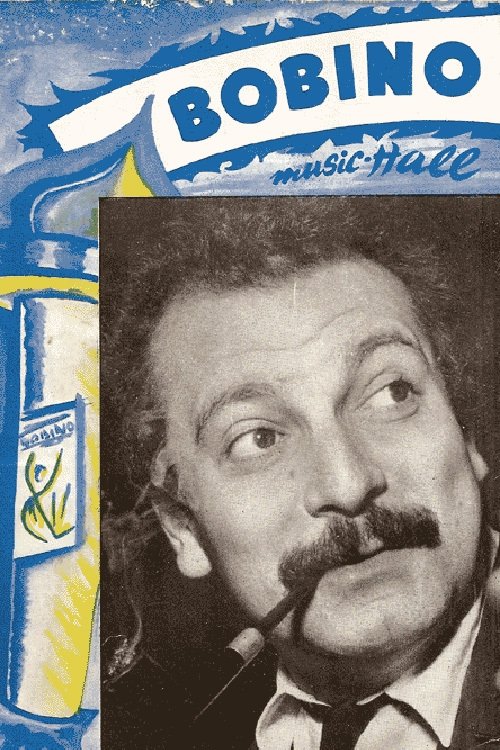
One of the most highly rated entries in their career remains Georges Brassens - Live à Bobino, which stands out as a key performance.
Best Georges Brassens Movies Ranked
Must-watch hits from Georges Brassens's career based on audience ratings.


Full Filmography
Every movie Georges Brassens has appeared in, with audience ratings and verdicts.
Georges Brassens - Frequently Asked Questions
What is the best movie of Georges Brassens?
According to audience ratings, the best movie starring Georges Brassens is "Georges Brassens - Live à Bobino" with a rating of 8.5/10.
How many movies has Georges Brassens acted in?
Georges Brassens has been featured in at least 22 major films throughout their career.
What are some other popular movies by Georges Brassens?
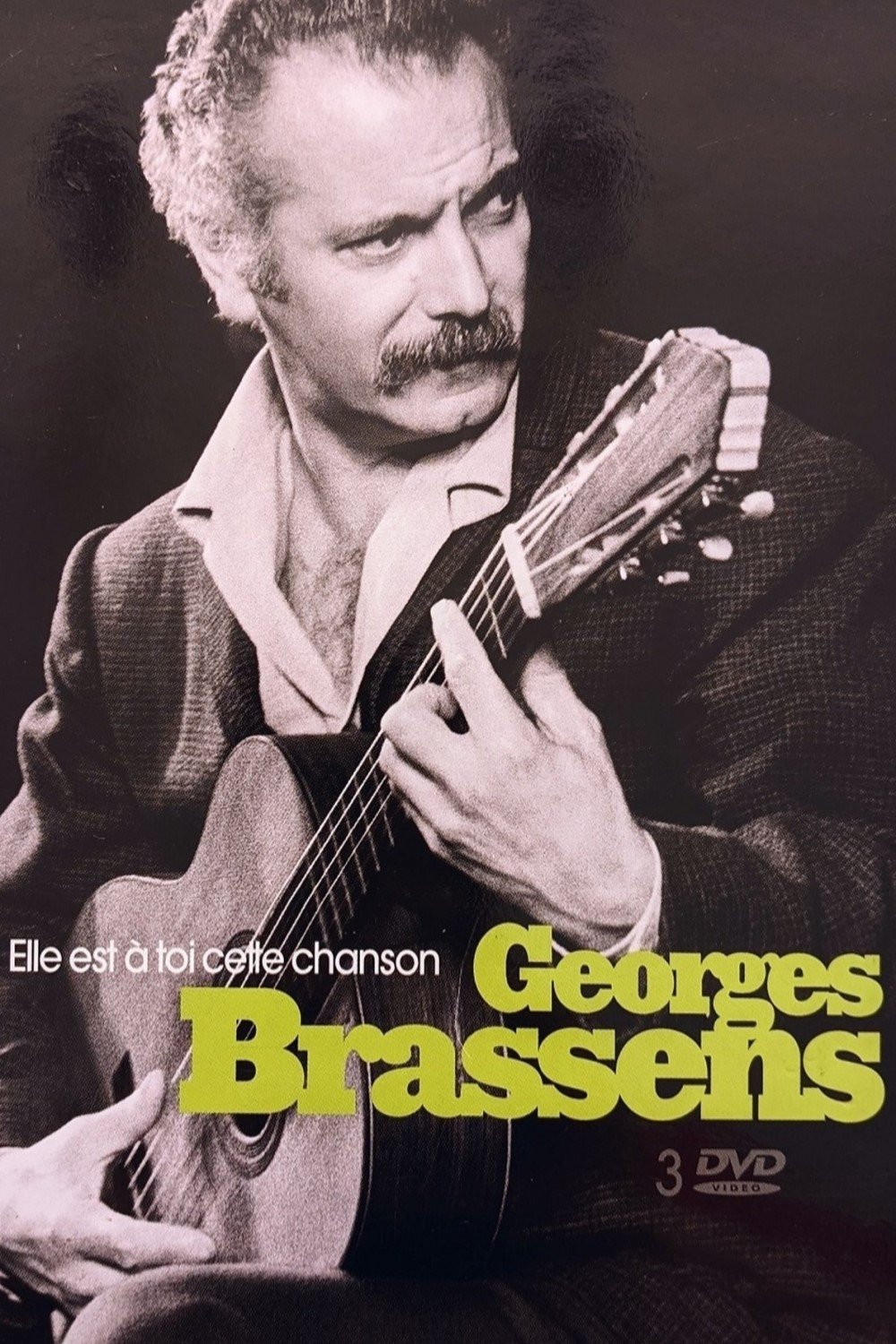
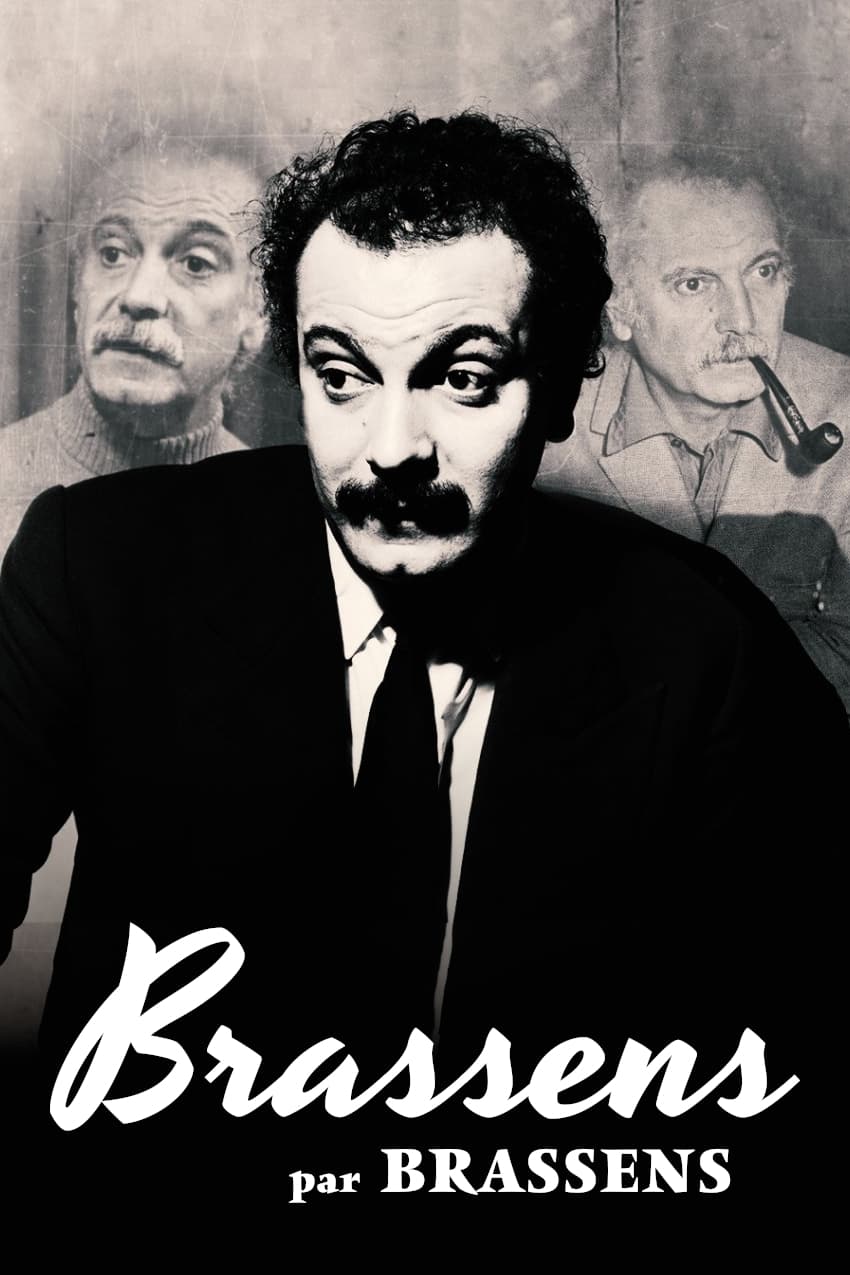
Other notable films include "Georges Brassens : Elle est à toi cette chanson", "Charles Trenet, l'enchanteur", and "Brassens by Brassens".