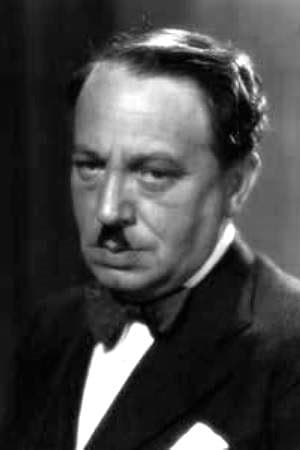
Gyula Gózon
ActingAbout Gyula Gózon
Gyula Gózon (19 April 1885, Nové Zámky – 8 October 1972, Budapest) was a Hungarian actor and comedian. Gyula Gózon was born on 19 April 1885, in Nové Zámky, but grew up in Esztergom. With the mentoring of his brother, he could fulfill his dream of learning to be a singer actor at the actor school of Szidi Rákosi in Budapest. After graduating, he joins a group touring the southern part of the country, often working under harsh conditions, changing location and repertory often. During this period he has the chance to polish his prosaic capabilities, one that was omitted in Rákosi's school. After playing in Târgu Mureş and Miercurea Ciuc, he gains the attention of Miklós Erdélyi, the director of Oradea's theater, who offers him contract in 1904. He plays here for six years, and befriends Gyula Kabos, forming a lifelong comradeship, and comedic duo. In 1912 Endre Nagy offers him to join his newly forming Cabaret (Apolló theatre) in Budapest, followed by years working in the Népopera and Király Theatre. Gózon accepted his first movie role in 1914 (the silent film A becsapott újságíró), appearing nearly a hundred during his lifetime. In 1917 he marries Lili Berky, with whom he starts the Muskátli Cabaret, often appearing on stage together. After the venture failed in 1920, he joins the Belvárosi Theatre in 1927, followed by the Új Theatre two years later. With Gyula Kabos he gets a role in Kék Bálvány, Hungary's first major motion picture, and like his mate, Gózon quickly becomes a much used actor of the emerging movie industry, appearing in the first hits of Budapest's theatres, like Hyppolit a lakáj or Meseautó. In 1935, along with his wife, he is contracted to the National Theatre). On the account of Jew-laws, he is banned from work in 1941, followed by years of hiding in his Rákosliget home during World War II. In 1945 Gózon re-joins the National Theatre, enjoying a second flowering of his career for a decade. After his wife's death in 1958, the health of the now 73-year-old actor began to fail, and seven years after his last appearance in the National Theatre, he died on 8 October 1972. Gyula Gózon is one of the few entertainers who could be successful and active all along the years of the Monarchy, the Horthy regime, and the Communist rule. Throughout his long career, he appeared in over 90 movies (including silent ones), and was both a pioneer and master of the Hungarian Cabaret. He received the Kossuth Prize in 1954. His former home in Rákosliget is now home to the Gózon Gyula Repertory Theater, opened in 2005. Description above from the Wikipedia article Gyula Gózon, licensed under CC-BY-SA, full list of contributors on Wikipedia.
Gyula Gózon Movies & Career Overview
The filmography of Gyula Gózon reflects exceptional commercial consistency. Across 50 major appearances, the actor has built a reputation through performances in multiple genres and storytelling styles.
Dominant Genre
A large portion of Gyula Gózon's work falls within the Comedy genre, where audiences tend to respond most strongly to their on-screen presence.
Success Ratio
Approximately 100% of Gyula Gózon's films maintain ratings above 6.5, indicating a consistent level of audience approval.
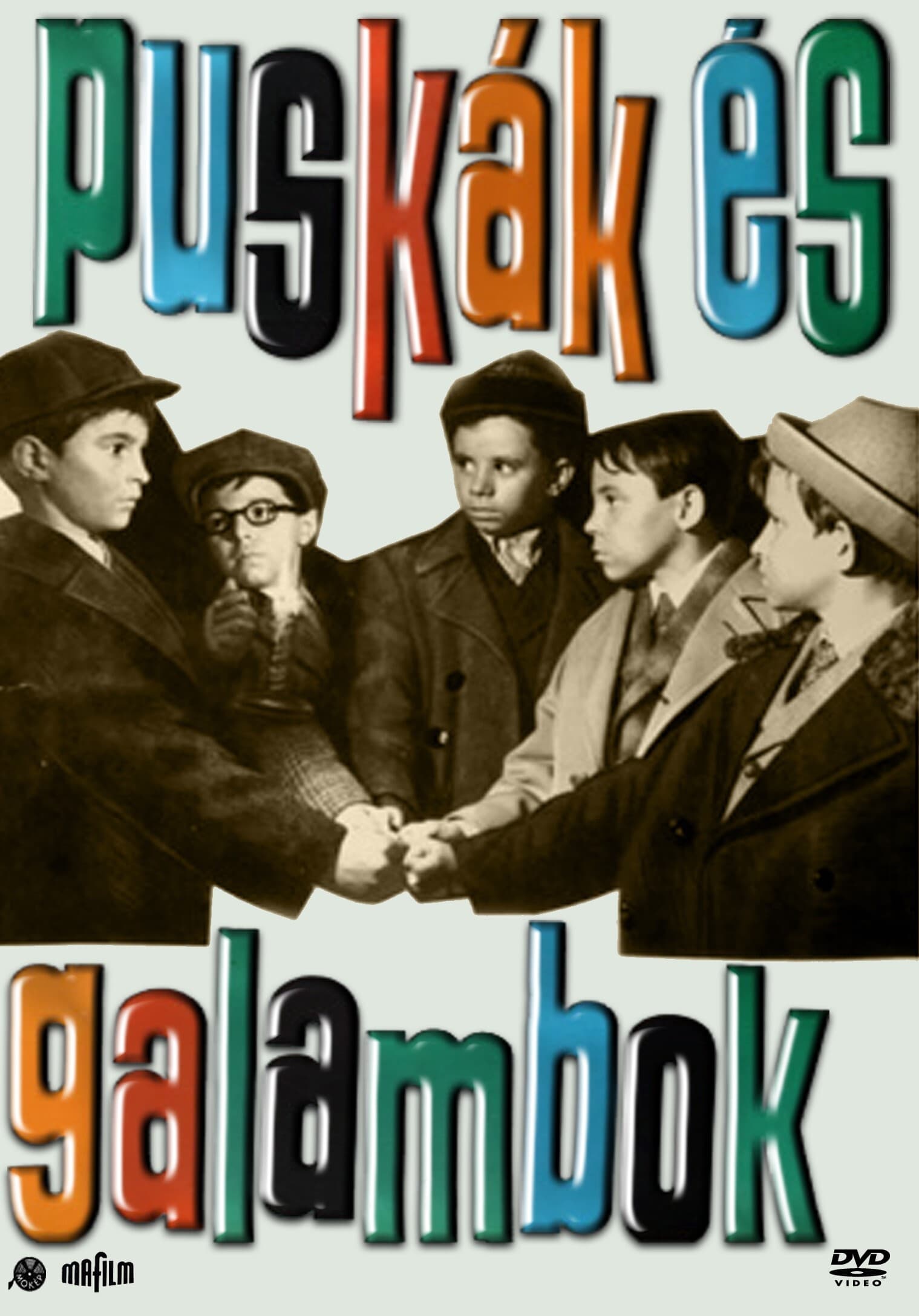
One of the most highly rated entries in their career remains Guns and Doves, which stands out as a key performance.
Best Gyula Gózon Movies Ranked
Must-watch hits from Gyula Gózon's career based on audience ratings.
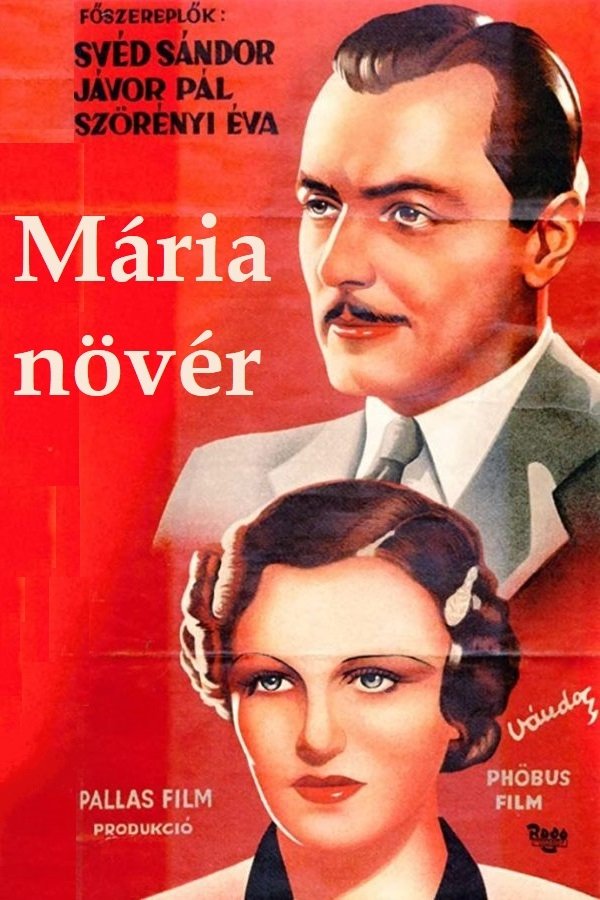
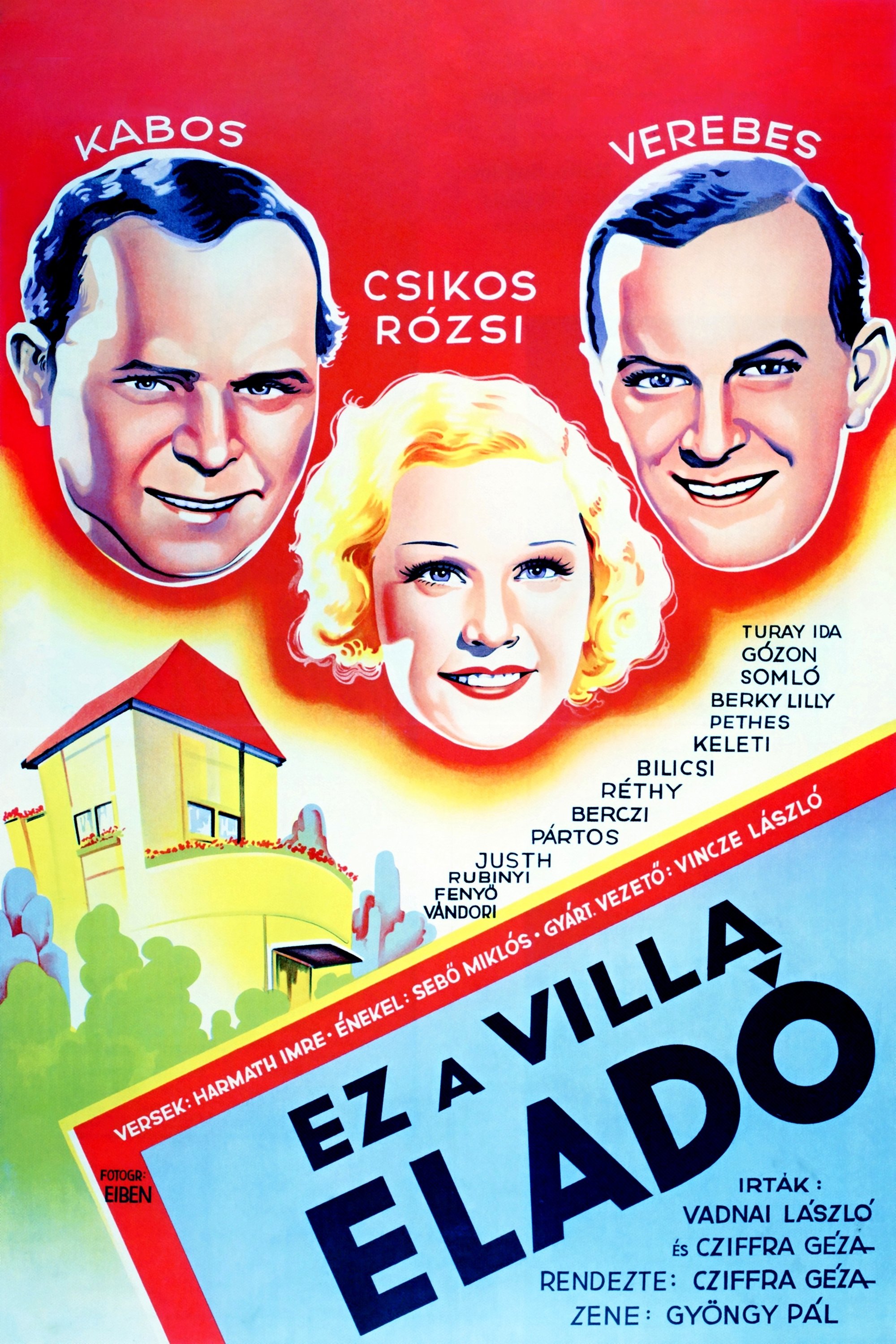
Full Filmography
Every movie Gyula Gózon has appeared in, with audience ratings and verdicts.
| Year | Movie | Character | Success | More |
|---|---|---|---|---|
| 1965 | Skylark | Pincér | Super Hit | Similar → |
| 1963 | New Gilgames | Uncle Szoboszlai | Super Hit | Similar → |
| 1962 | I'll Appeal to the Minister | Zsüle | Super Hit | Similar → |
| 1962 | Until the Day is Breaking | - | Super Hit | Similar → |
| 1961 | Just a Joke | - | Super Hit | Similar → |
| 1961 | Guns and Doves | - | Super Hit | Similar → |
| 1960 | Három csillag | Actor | Super Hit | Similar → |
| 1959 | Yesterday | - | Super Hit | Similar → |
| 1957 | Adventure in Gerolstein | Federik, bartender | Super Hit | Similar → |
| 1955 | A Strange Mark of Identity | Guba | Super Hit | Similar → |
| 1954 | Me and My Grandpa | Nagyapa | Super Hit | Similar → |
| 1954 | Keep Your Chin Up! | Lustyák bácsi | Super Hit | Similar → |
| 1954 | The Birth of Menyhért Simon | Uncle Lajos | Super Hit | Similar → |
| 1954 | Relatives | - | Super Hit | Similar → |
| 1953 | The Day of Wrath | Gombkötõmester | Super Hit | Similar → |
| 1953 | Young at Heart | Dani nagypapa | Super Hit | Similar → |
| 1953 | The State Department Store | Bezzegh bácsi | Super Hit | Similar → |
| 1952 | Tüzkeresztség | Jakab Viszket | Super Hit | Similar → |
| 1951 | A Strange Marriage | Bernáth | Super Hit | Similar → |
| 1951 | Mrs. Déry | Neunherz | Super Hit | Similar → |
| 1951 | Honour and Glory | Birman | Super Hit | Similar → |
| 1949 | Janika | Edus bácsi | Super Hit | Similar → |
| 1947 | Könnyű múzsa | Bernáth bácsi | Super Hit | Similar → |
| 1946 | Hazugság nélkül | - | Super Hit | Similar → |
| 1945 | The School-Mistress | - | Super Hit | Similar → |
| 1940 | Love Is Not a Shame | Hajógyári igazgató | Super Hit | Similar → |
| 1940 | Rosewood Cane | Meller | Super Hit | Similar → |
| 1940 | Semmelweis | - | Super Hit | Similar → |
| 1938 | The Lady is a Little Crazy | Tormássy, vezér | Super Hit | Similar → |
| 1938 | Az ember néha téved | Illés bácsi | Super Hit | Similar → |
| 1938 | Young Noszty and Mary Toth | Bubenyik | Super Hit | Similar → |
| 1937 | Egy lány elindul | Uncle Béla | Super Hit | Similar → |
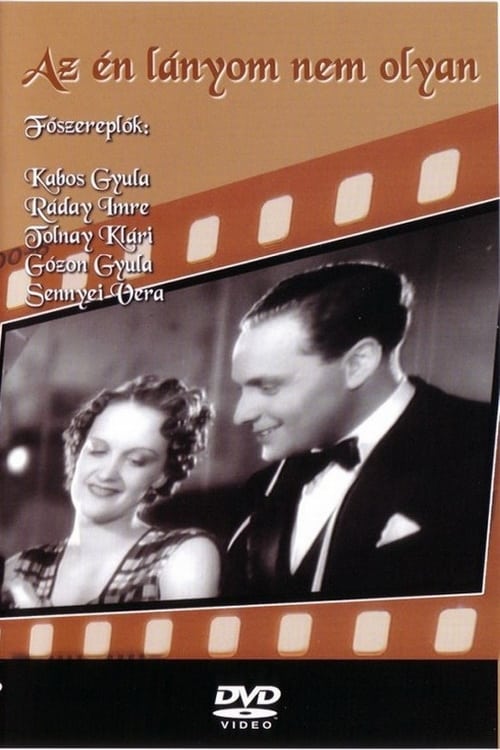
| 1937 | My Daughter Is Different | Kalauz | Super Hit | Similar → |
| 1937 | Lovagias ügy | Müller úr | Super Hit | Similar → |
| 1937 | Sister Maria | Doctor | Super Hit | Similar → |
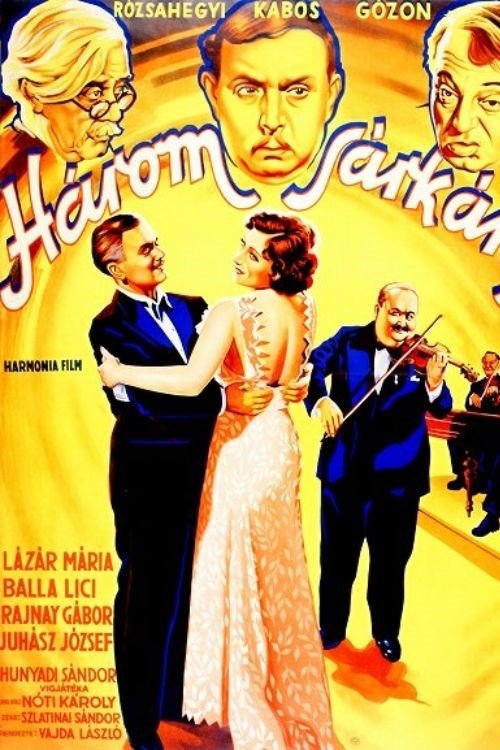
| 1936 | Three Spinsters | Vörösvári | Super Hit | Similar → |
| 1935 | Budapest Pastry Shop | Kassay cukrász | Super Hit | Similar → |
| 1935 | Sweet Stepmother | Frici,az artista | Super Hit | Similar → |
| 1935 | Thanks for Knocking | Panni apja | Hit | Similar → |
| 1935 | Villa for Sale | Rizling | Super Hit | Similar → |
| 1934 | Jo Az Oreg A Haznal | - | Super Hit | Similar → |
| 1934 | The New Relative | Esztáry Sándor | Hit | Similar → |
| 1934 | Purple Lilacs | Weber | Hit | Similar → |
| 1934 | Ida regénye | Bogár úr | Hit | Similar → |
| 1934 | A Night in Venice | - | Super Hit | Similar → |
| 1933 | Rakoczi March | Mihály, Tarján tisztiszolgája | Hit | Similar → |
| 1932 | Kiss Me Darling! | Jegyző | Super Hit | Similar → |
| 1931 | Hyppolit, the Butler | Makáts | Hit | Similar → |
| 1931 | The Blue Idol | - | Super Hit | Similar → |
| 1916 | Thief as Detective | - | Super Hit | Similar → |
Gyula Gózon - Frequently Asked Questions
What is the best movie of Gyula Gózon?
According to audience ratings, the best movie starring Gyula Gózon is "Guns and Doves" with a rating of 10.0/10.
How many movies has Gyula Gózon acted in?
Gyula Gózon has been featured in at least 50 major films throughout their career.
What are some other popular movies by Gyula Gózon?
Other notable films include "My Daughter Is Different", "Three Spinsters", and "Sister Maria".