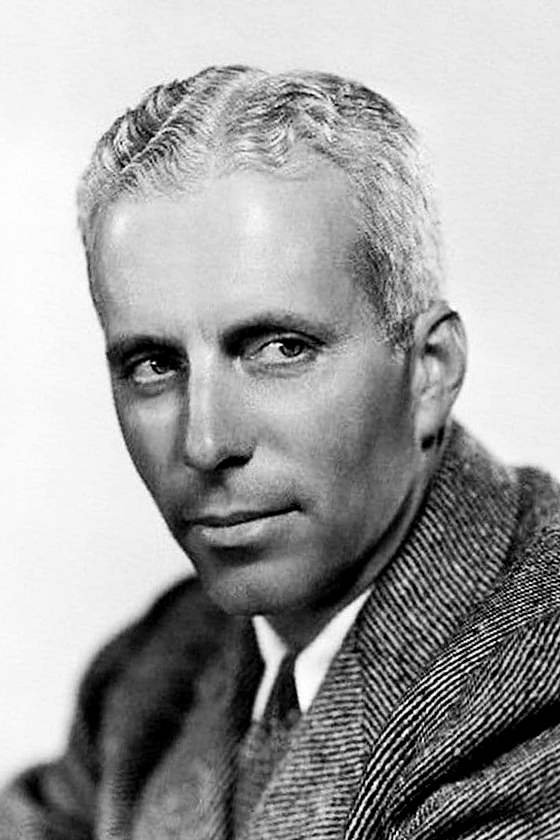
Howard Hawks
DirectingAbout Howard Hawks
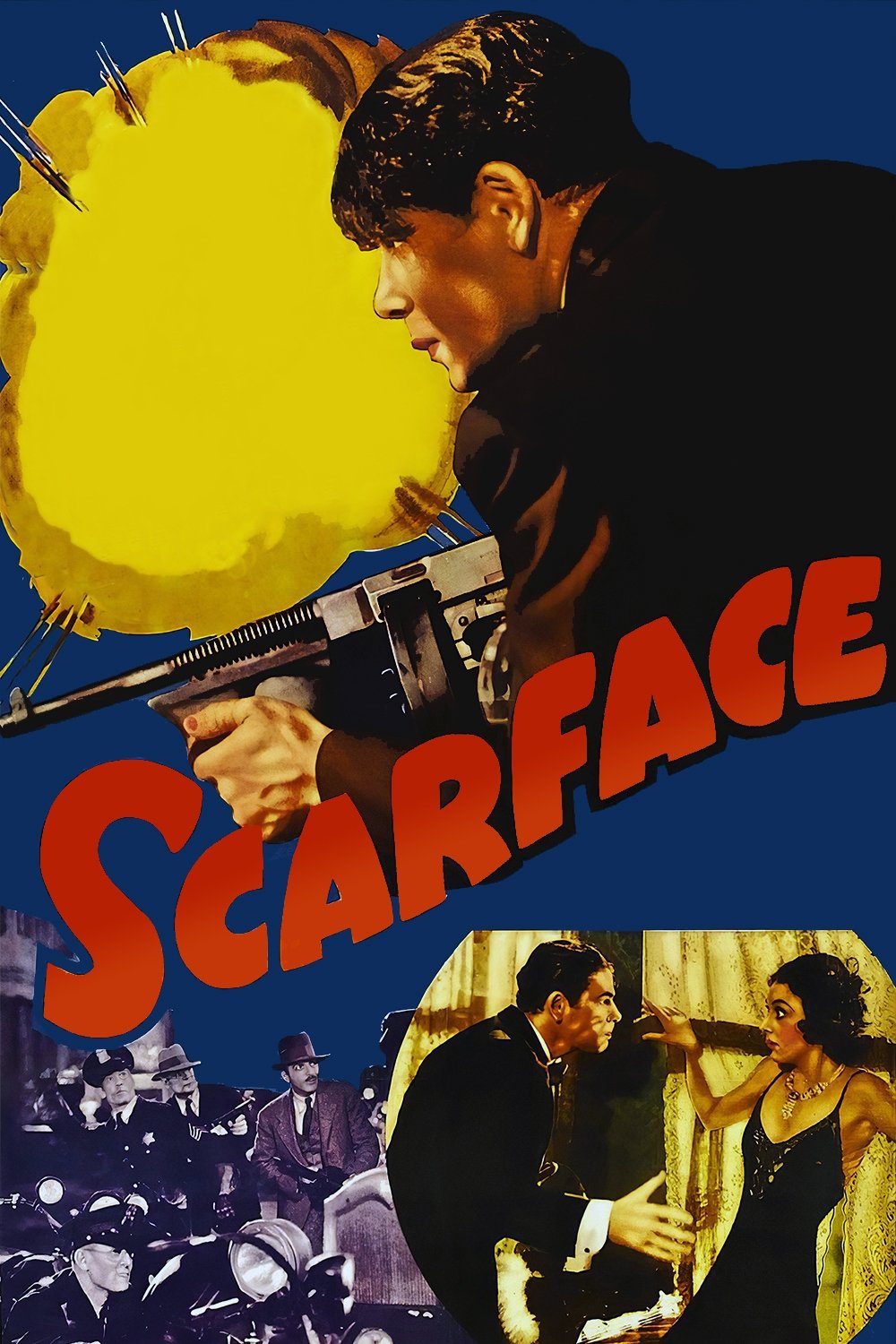
Howard Winchester Hawks (May 30, 1896 – December 26, 1977) was an American film director, producer and screenwriter of the classic Hollywood era. He is popular for his films from a wide range of genres, including screwball comedies [Bringing Up Baby (1938), His Girl Friday (1940), Gentlemen Prefer Blondes (1953)], westerns [Red River (1948), Rio Bravo (1959), El Dorado (1967)], adventure films [Only Angels Have Wings (1939), To Have and Have Not (1944)], films noirs [The Big Sleep (1946)] and gangster films [Scarface (1932)]. Notable characteristics of his films are independent and tough-talking female protagonists ("Hawksian woman") and witty and fast-paced dialogues. In 1975, Hawks was awarded the Honorary Academy Award as "a master American filmmaker whose creative efforts hold a distinguished place in world cinema," and in 1942 he was nominated for the Academy Award for Best Director for Sergeant York. Hawks has been considered by film critics to be an auteur because of his recognizable style and frequent use of certain thematic elements. Andrew Sarris in his influential book of film criticism The American Cinema: Directors and Directions 1929–1968 included him in the "pantheon" of the 14 greatest film directors who had worked in the United States. Hawks influenced numerous filmmakers such as Quentin Tarantino and Martin Scorsese.
Howard Hawks Movies & Career Overview
The filmography of Howard Hawks reflects a strong mix of popular and critically appreciated roles. Across 18 major appearances, the actor has built a reputation through performances in multiple genres and storytelling styles.
Dominant Genre
A large portion of Howard Hawks's work falls within the Documentary genre, where audiences tend to respond most strongly to their on-screen presence.
Success Ratio
Approximately 56% of Howard Hawks's films maintain ratings above 6.5, indicating a consistent level of audience approval.
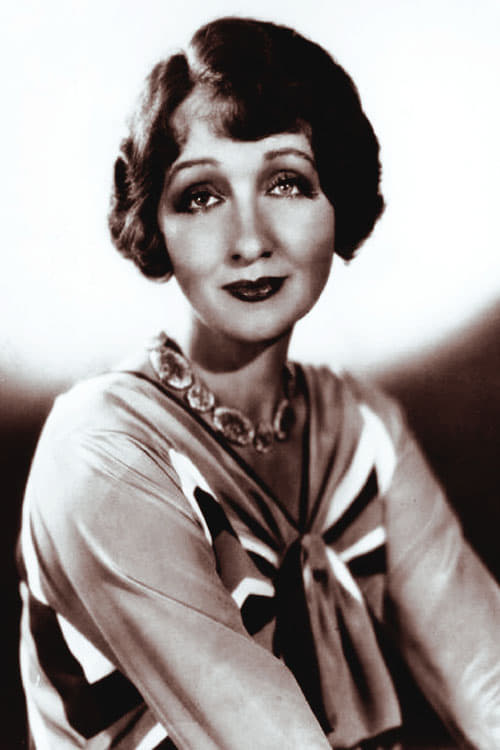
One of the most highly rated entries in their career remains Hedda Hopper's Hollywood No. 3, which stands out as a key performance.
Best Howard Hawks Movies Ranked
Must-watch hits from Howard Hawks's career based on audience ratings.
Full Filmography
Every movie Howard Hawks has appeared in, with audience ratings and verdicts.
Howard Hawks - Frequently Asked Questions
What is the best movie of Howard Hawks?
According to audience ratings, the best movie starring Howard Hawks is "Hedda Hopper's Hollywood No. 3" with a rating of 10.0/10.
How many movies has Howard Hawks acted in?
Howard Hawks has been featured in at least 18 major films throughout their career.
What are some other popular movies by Howard Hawks?
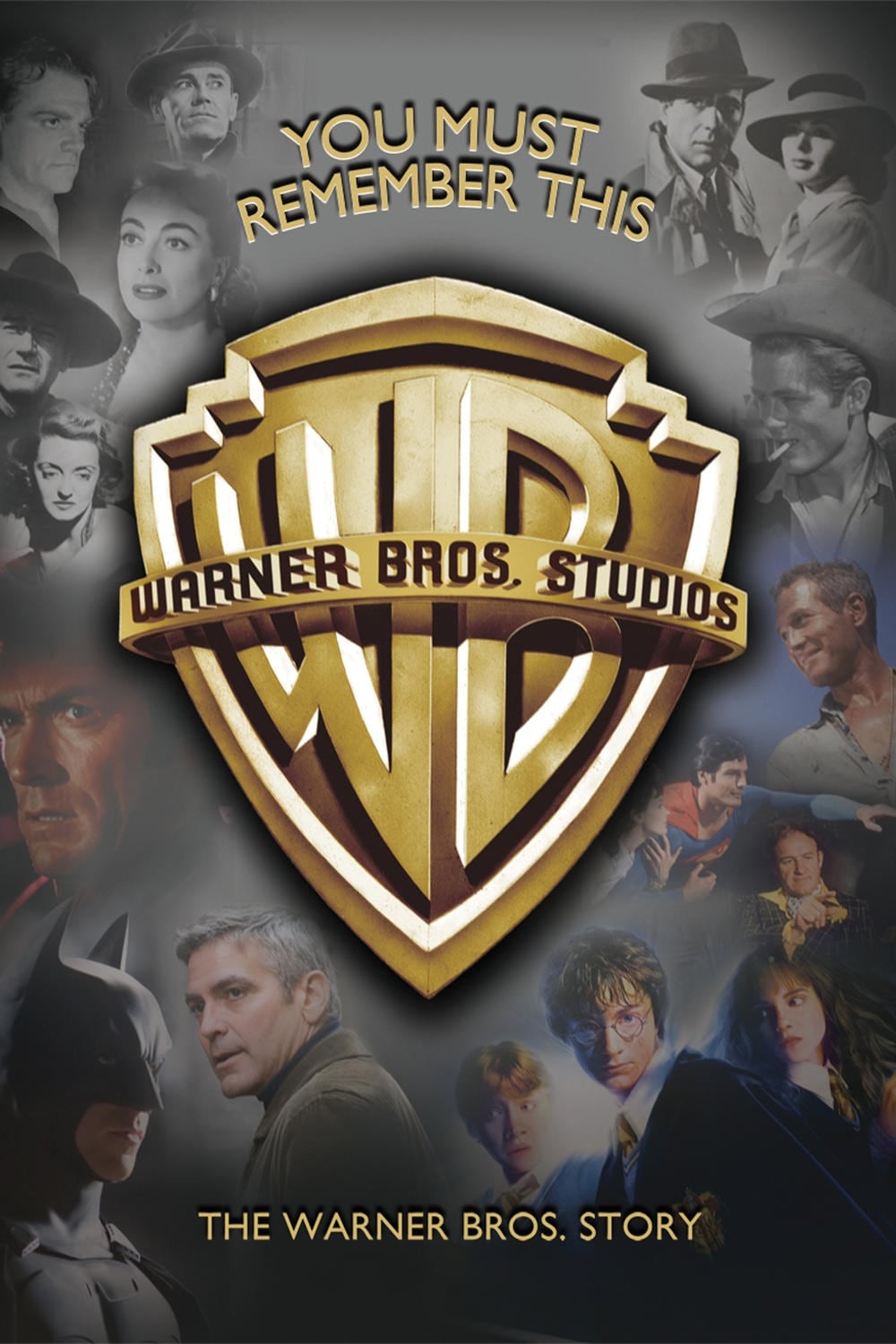
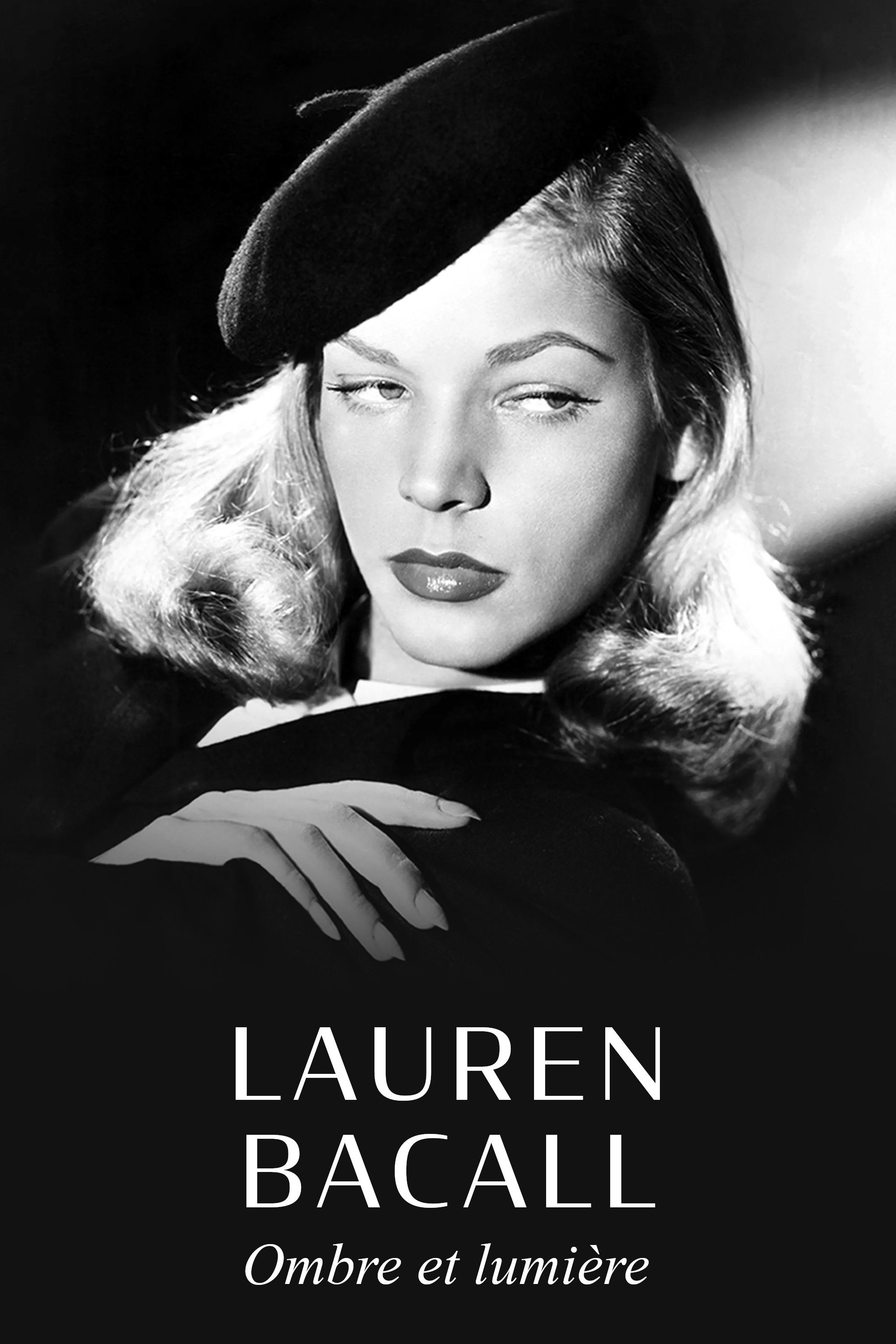
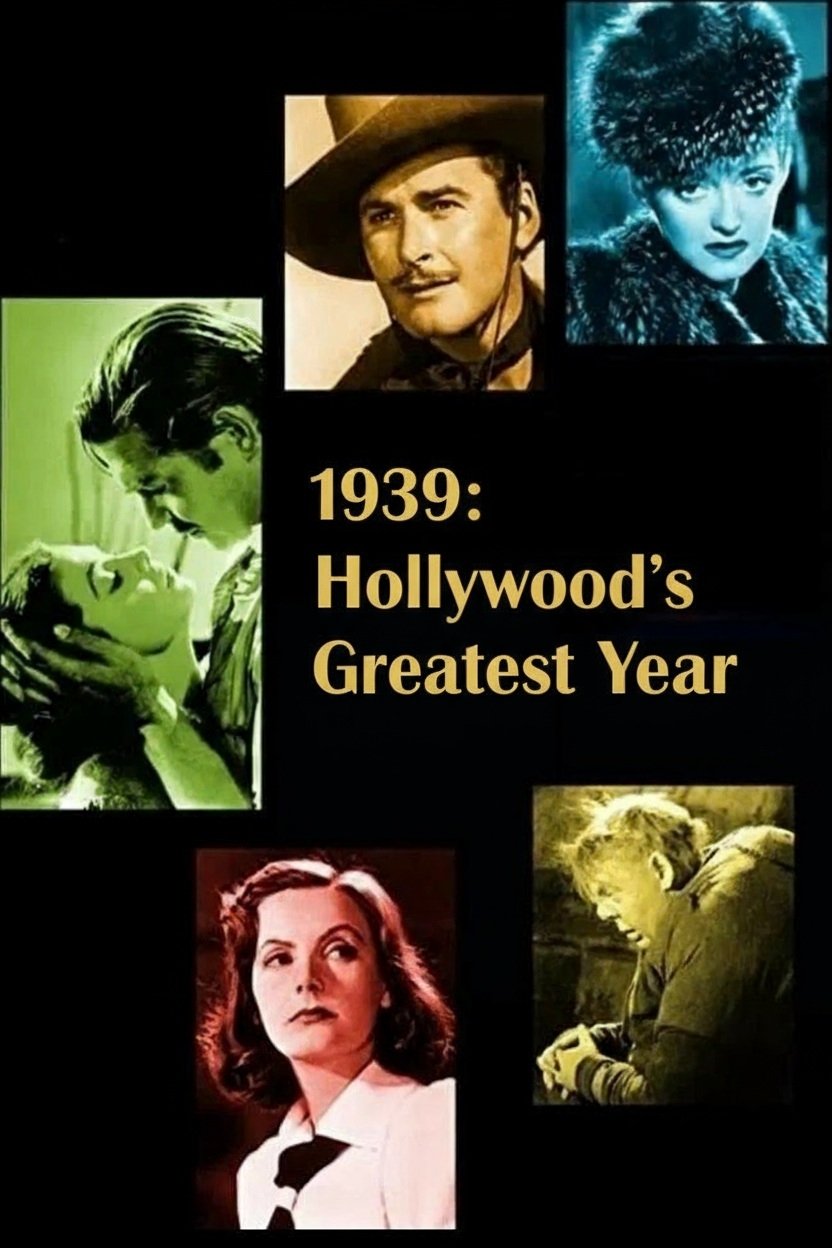
Other notable films include "You Must Remember This: The Warner Bros. Story", "Lauren Bacall, ombre et lumière", and "1939: Hollywood's Greatest Year".