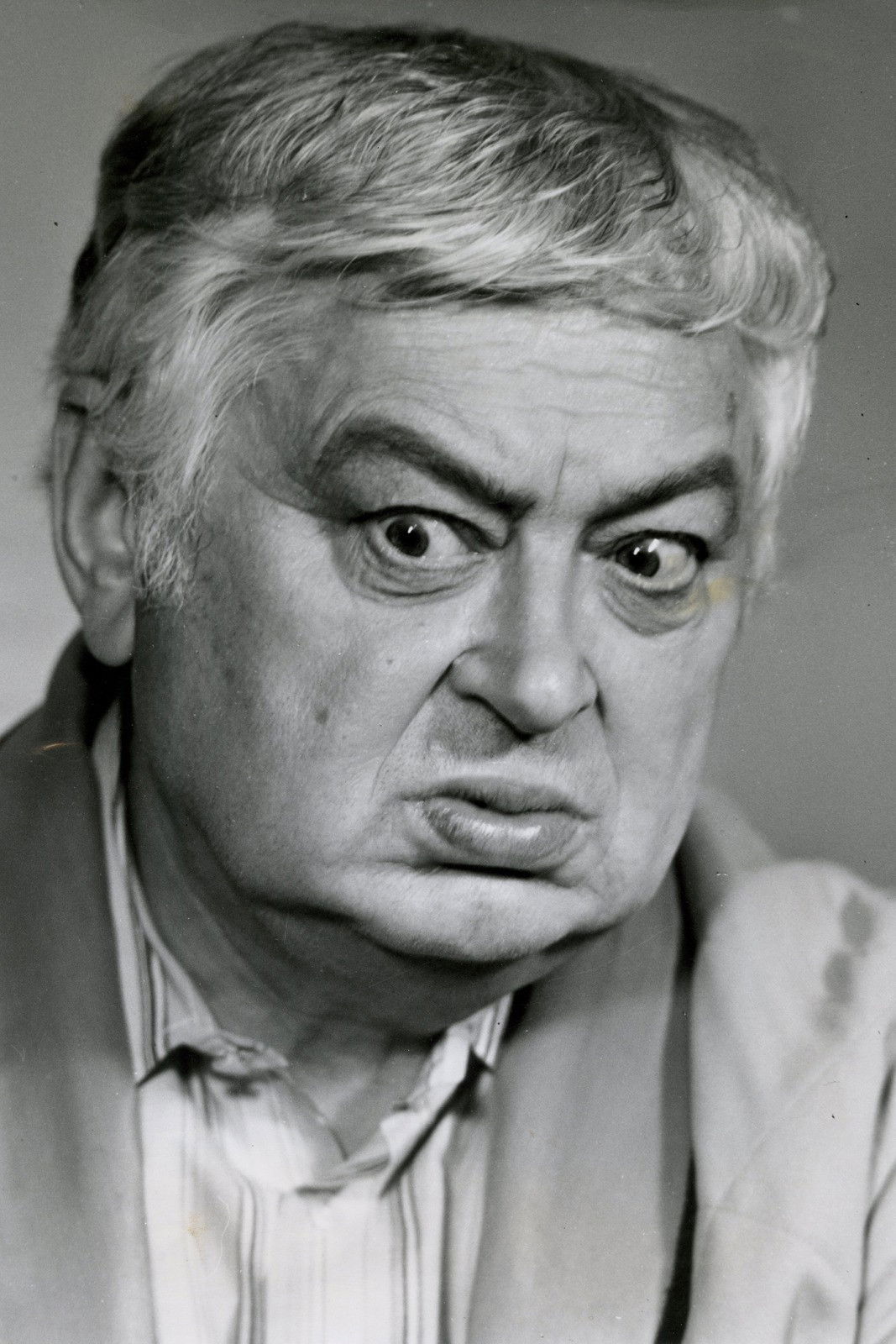
Karlis Sebris
ActingAbout Karlis Sebris
Kārlis Sebris, born February 18, 1914 in Sinole in the Livonian Government and died on January 12, 2009 in Riga, Latvia, is a Latvian theater and film actor, officer of the Three Star Order. Son of Kārlis Sebris senior, the future artist was born in the village of Sinole in the current Gulbenes novads in Latvia. He is educated at the school of Lizums, then at the public school of Cesvaine. Sebris trained at the first drama school in Latvia, founded in 1909 by Jekabs Duburs and Ernests Zeltmatis, and graduated in 1938. He became an actor in the National Drama Theater, where he remained faithful until the end of his career. From Wikipedia, the free encyclopedia
Karlis Sebris Movies & Career Overview
The filmography of Karlis Sebris reflects a career marked by diverse experimentation. Across 35 major appearances, the actor has built a reputation through performances in multiple genres and storytelling styles.
Dominant Genre
A large portion of Karlis Sebris's work falls within the Drama genre, where audiences tend to respond most strongly to their on-screen presence.
Success Ratio
Approximately 37% of Karlis Sebris's films maintain ratings above 6.5, indicating a consistent level of audience approval.
One of the most highly rated entries in their career remains Following the Swan Flock of Clouds, which stands out as a key performance.
Best Karlis Sebris Movies Ranked
Must-watch hits from Karlis Sebris's career based on audience ratings.

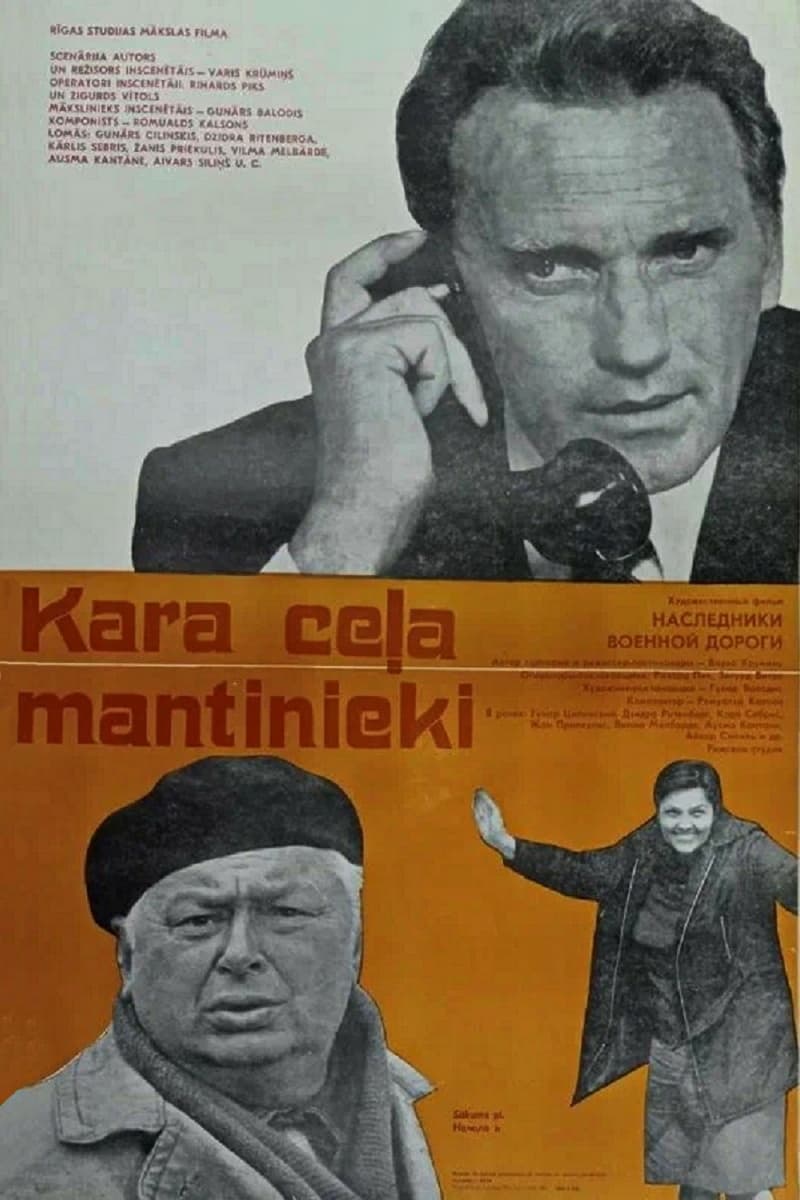
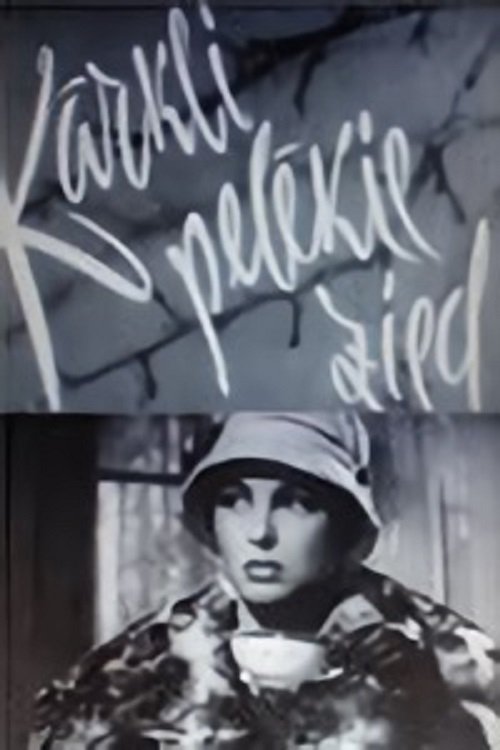
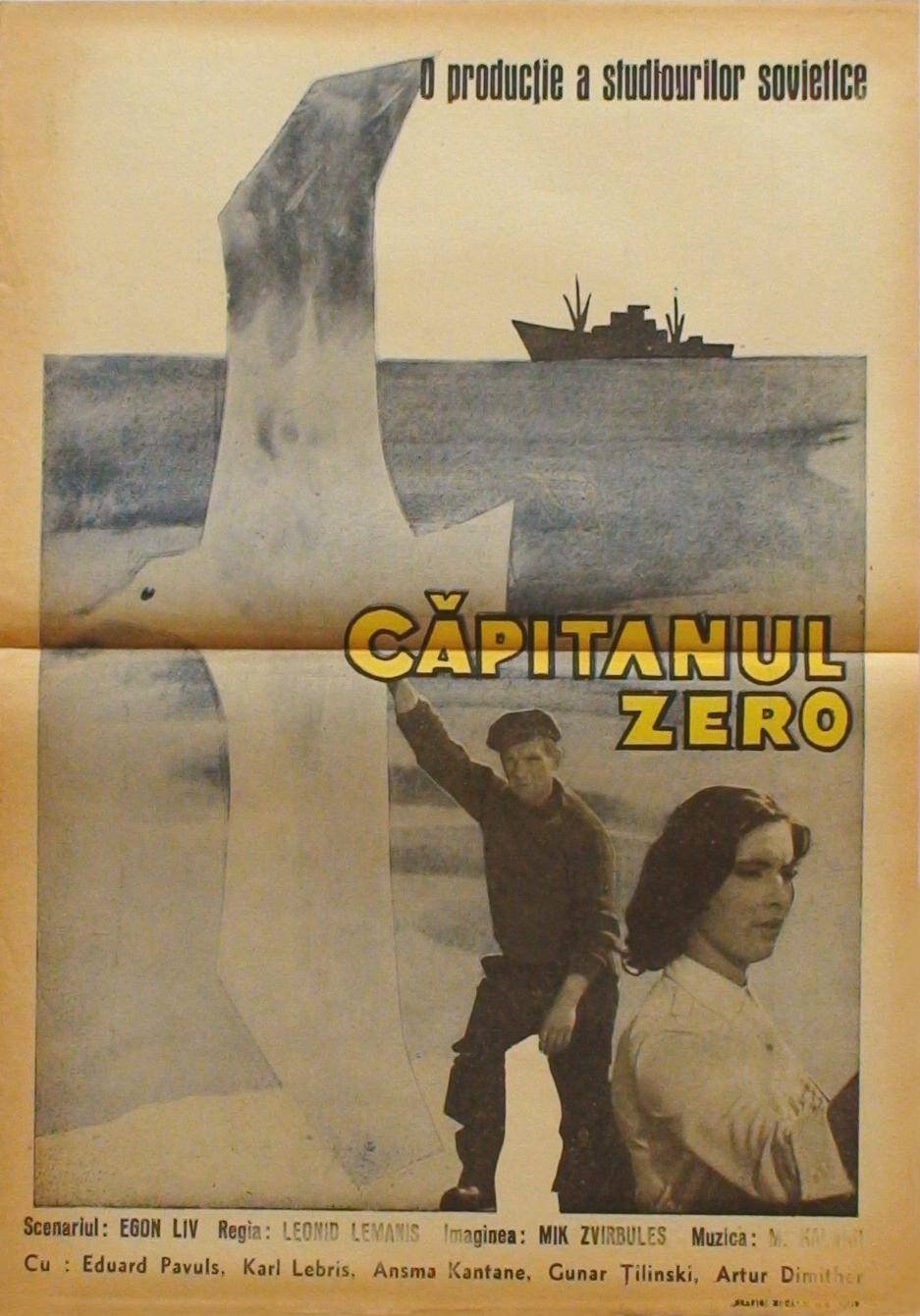
Full Filmography
Every movie Karlis Sebris has appeared in, with audience ratings and verdicts.
Karlis Sebris - Frequently Asked Questions
What is the best movie of Karlis Sebris?
According to audience ratings, the best movie starring Karlis Sebris is "Following the Swan Flock of Clouds" with a rating of 9.5/10.
How many movies has Karlis Sebris acted in?
Karlis Sebris has been featured in at least 35 major films throughout their career.
What are some other popular movies by Karlis Sebris?
Other notable films include "Forgotten Things", "Kara ceļa mantinieki", and "Kārkli pelēkie zied".