
Patricia Hearst
ActingAbout Patricia Hearst
Patricia Campbell Hearst (born February 20, 1954) is the granddaughter of American publishing magnate William Randolph Hearst. She first became known for the events following her 1974 kidnapping by the Symbionese Liberation Army. She was found and arrested 19 months after being abducted, by which time she was a fugitive wanted for serious crimes committed with members of the group. She was held in custody, and there was speculation before trial that her family's resources would enable her to avoid time in prison. At her trial, the prosecution suggested that Hearst had joined the Symbionese Liberation Army of her own volition. However, she testified that she had been raped and threatened with death while held captive. In 1976, she was convicted for the crime of bank robbery and sentenced to 35 years in prison, later reduced to seven years. Her sentence was commuted by President Jimmy Carter, and she was later pardoned by President Bill Clinton. Hearst's grandfather William Randolph Hearst created the largest newspaper, magazine, newsreel and film business in the world. Her great-grandmother was philanthropist Phoebe Hearst. The family wielded immense political influence and opposed organized labor, gold mine worker's rights, and communism since before World War II. Hearst, who prefers to be called Patricia rather than Patty, was born on February 20, 1954, in San Francisco, California, the third of five daughters of Randolph Apperson Hearst and Catherine Wood Campbell. She was raised primarily in Hillsborough and attended its Crystal Springs School for Girls, Sacred Heart school in Atherton and the Santa Catalina School in Monterey. She attended Menlo College in Atherton, California before transferring to the University of California, Berkeley. Hearst's father was among a number of heirs to the family fortune and did not have control of the Hearst interests. Her parents had not considered it necessary to take preventive measures to assure their children's personal security. At the time of her abduction, Hearst was a sophomore at Berkeley studying art history. She lived with her fiancé Steven Weed in an apartment in Berkeley. On February 4, 1974, 19-year-old Hearst was kidnapped from her Berkeley apartment. A small urban guerrilla left-wing group called the Symbionese Liberation Army (SLA) claimed responsibility for the abduction. Hearst's kidnapping was partly opportunistic, as she resided near the SLA hideout. According to testimony at trial, the group's main intention was to leverage the Hearst family's political influence to free SLA members Russ Little and Joe Remiro, who had been arrested for the November 1973 murder of Marcus Foster, superintendent of Oakland public schools. After the state refused to free the men, the SLA demanded that Hearst's family distribute $70 worth of food to every needy Californian, an operation that would cost an estimated $400 million. In response, Hearst's father obtained a loan and arranged the immediate donation of $2 million worth of food to the poor of the Bay Area for one year in a project called People in Need. After the distribution descended into chaos, the SLA refused to release Hearst. ... Source: Article "Patty Hearst" from Wikipedia in English, licensed under CC-BY-SA 3.0.
Career Statistics & Market Influence
Analyzing the cinematic journey of Patricia Hearst reveals a career defined by diverse artistic exploration. With a total of 13 major appearances, the actor has established a significant footprint in global cinema.
Genre Dominance: Comedy
The majority of Patricia Hearst's filmography leans towards the Comedy genre. Audience data suggests that viewers respond most favorably to this persona, though their versatility has allowed for successful crossovers into other categories.
The "Box Office" Signature
With a 31% Success Ratio (movies rated above 6.5), Patricia Hearst remains a reliable draw for studios. Their peak performance was recorded in Joan Didion: The Center Will Not Hold, which continues to be the benchmark for their career rating-wise.
Best Patricia Hearst Movies Ranked
Must-watch hits from Patricia Hearst's career based on audience ratings.



Complete Filmography & Success Status
Tracking the career evolution and box office verdicts of Patricia Hearst.
| Year | Movie | Character | Success | More |
|---|---|---|---|---|
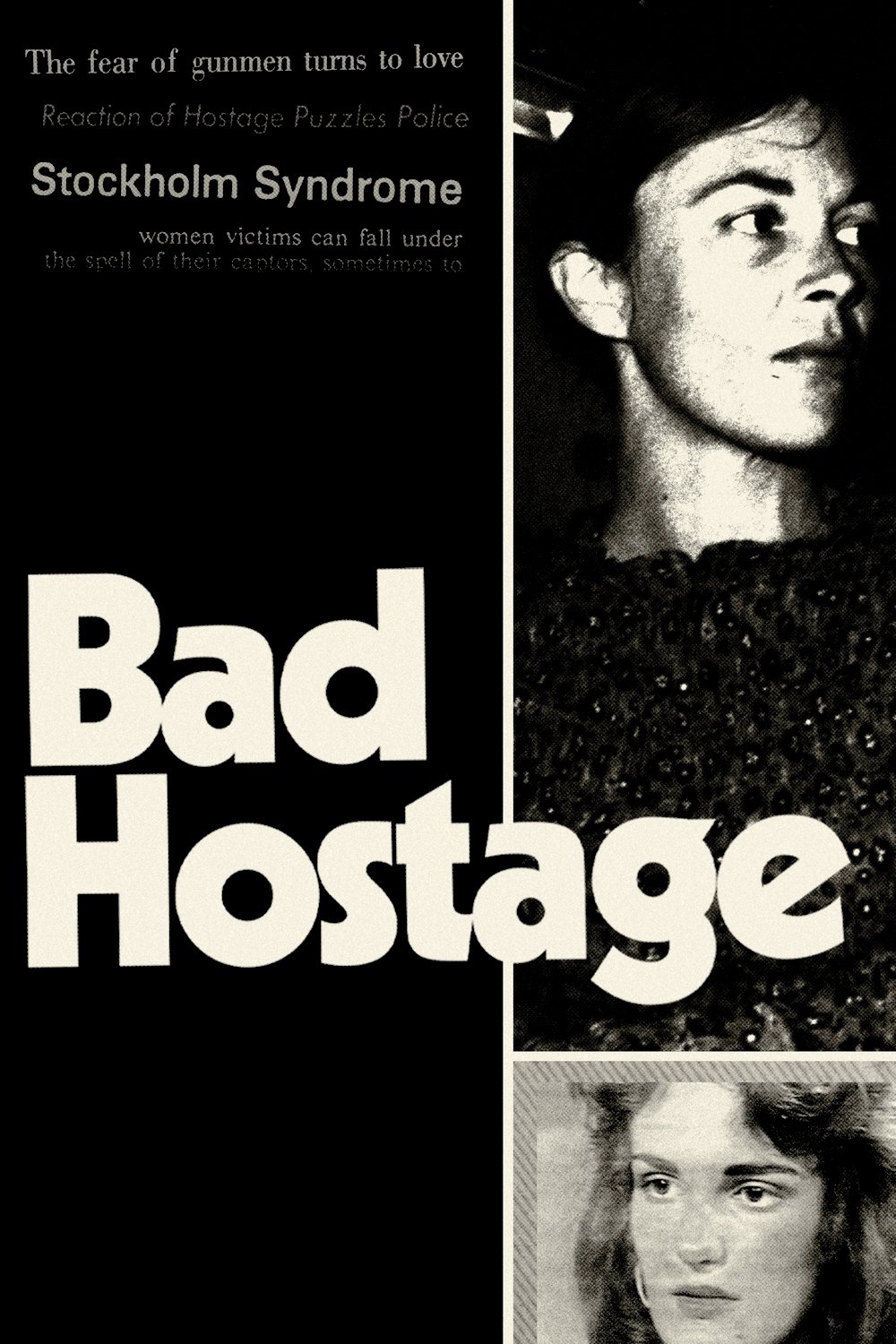
| 2024 | Bad Hostage | Self (archive footage) | Hit | Similar → |
| 2019 | Third Eye Spies | Self (archive footage) | Average | Similar → |
| 2017 | Joan Didion: The Center Will Not Hold | Self (archive footage) | Hit | Similar → |
| 2004 | Guerrilla: The Taking of Patty Hearst | Herself (archive footage) | Average | Similar → |
| 2004 | A Dirty Shame | Paige | Flop | Similar → |
| 2004 | Second Best | Alana | Flop | Similar → |
| 2001 | The N.Y. Friars Club Roast of Hugh Hefner | Self | Average | Similar → |
| 2000 | Pie in the Sky: The Brigid Berlin Story | Self | Average | Similar → |
| 2000 | Cecil B. Demented | Fidget's Mom | Average | Similar → |
| 1998 | Pecker | Lynn Wentworth | Average | Similar → |
| 1996 | Bio-Dome | Doyle's Mother | Flop | Similar → |
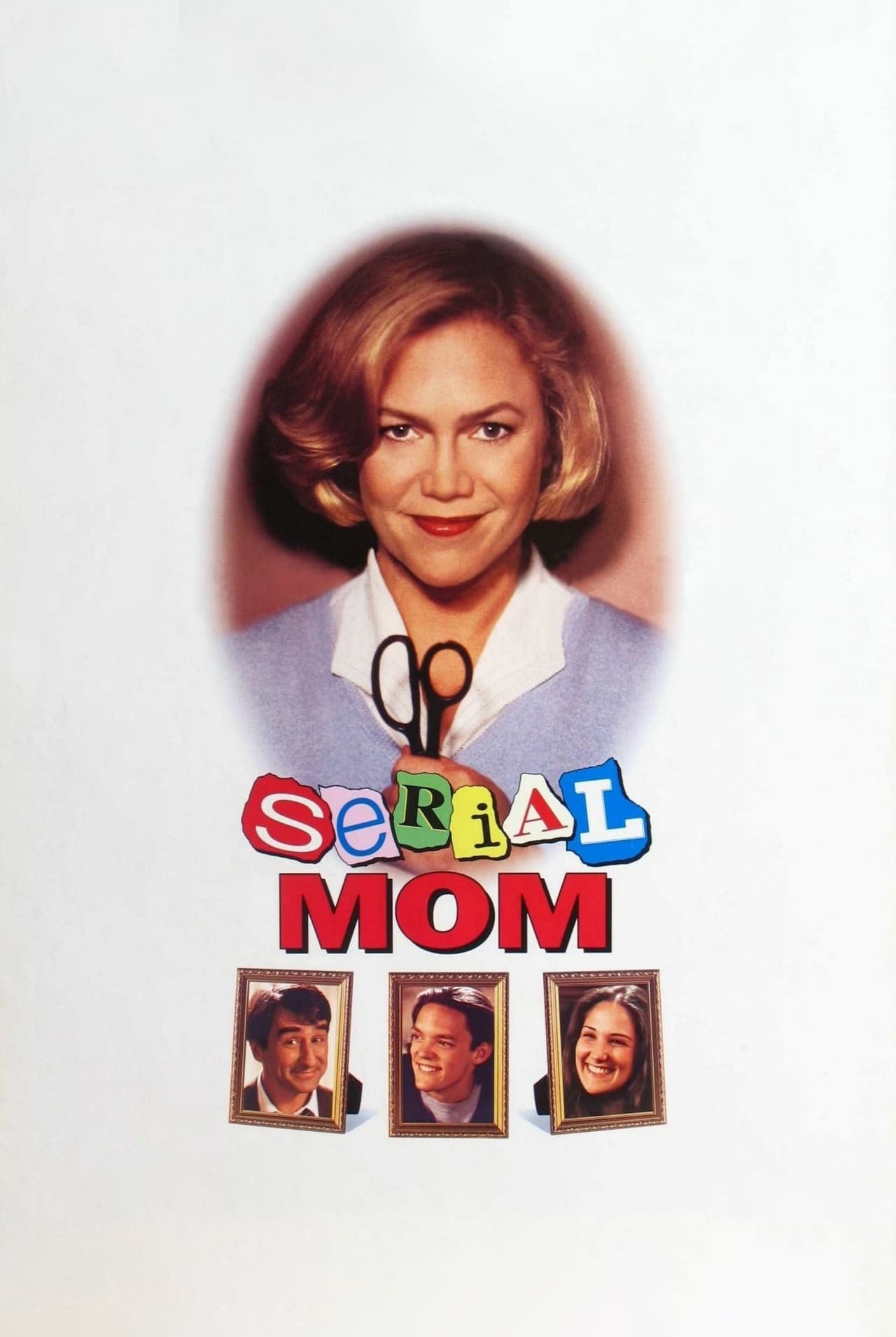
| 1994 | Serial Mom | Juror #8 | Hit | Similar → |
| 1990 | Cry-Baby | Wanda's Mother | Hit | Similar → |
Patricia Hearst - Frequently Asked Questions
What is the best movie of Patricia Hearst?
According to audience ratings, the best movie starring Patricia Hearst is "Joan Didion: The Center Will Not Hold" with a rating of 7.3/10.
How many movies has Patricia Hearst acted in?
Patricia Hearst has been featured in at least 13 major films throughout their career.
What are some other popular movies by Patricia Hearst?
Other notable films include "Bad Hostage", "Serial Mom", and "Cry-Baby".