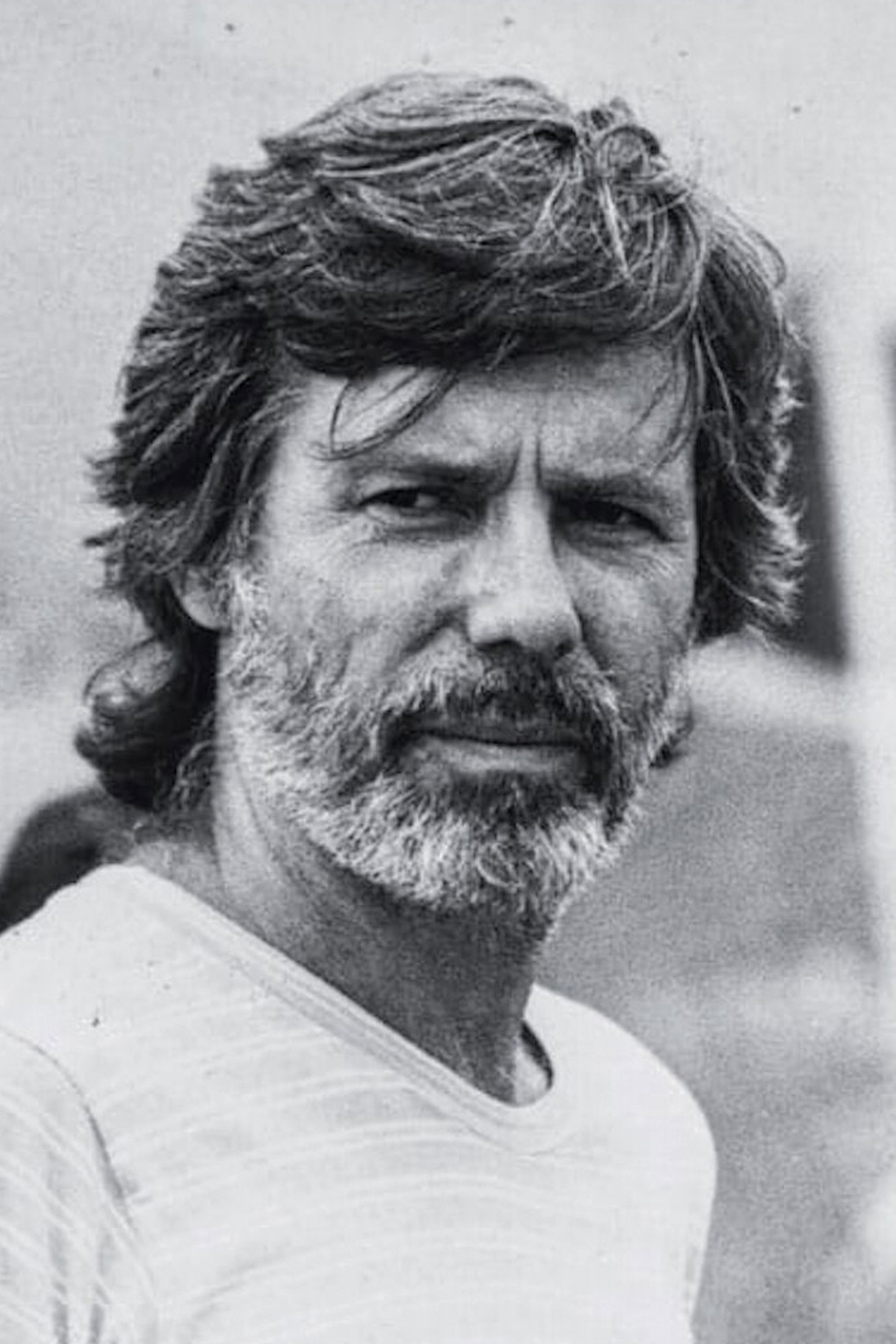
Roberto Farias
DirectingAbout Roberto Farias
Roberto Farias was born on March 27, 1932 in Nova Friburgo, Rio de Janeiro, Brazil as Roberto Figueira de Farias. He is a director and producer, known for Under New Management (2003), Pra Frente, Brasil (1982) and Faça Sua História (2007). Brother of Reginaldo Faria, Riva Farias and Rogério Farias. Father of Mauro Farias, Maurício Farias, Lui Farias and Marisa Farias. Uncle of actor Marcelo Faria and director Regis Faria.
Roberto Farias Movies & Career Overview
The filmography of Roberto Farias reflects a career marked by diverse experimentation. Across 5 major appearances, the actor has built a reputation through performances in multiple genres and storytelling styles.
Dominant Genre
A large portion of Roberto Farias's work falls within the Documentary genre, where audiences tend to respond most strongly to their on-screen presence.
Success Ratio
Approximately 40% of Roberto Farias's films maintain ratings above 6.5, indicating a consistent level of audience approval.
One of the most highly rated entries in their career remains Roberto Farias - Memórias de um Cineasta, which stands out as a key performance.
Best Roberto Farias Movies Ranked
Must-watch hits from Roberto Farias's career based on audience ratings.




Full Filmography
Every movie Roberto Farias has appeared in, with audience ratings and verdicts.
| Year | Movie | Character | Success | More |
|---|---|---|---|---|
| 2023 | Roberto Farias - Memórias de um Cineasta | Self | Hit | Similar → |
| 2017 | Brazilian Cinema in the 20th Century | Self | Flop | Similar → |
| 2006 | Referências | Self | Flop | Similar → |
| 2005 | João do Vale, Muita Gente Desconhece | Self | Flop | Similar → |
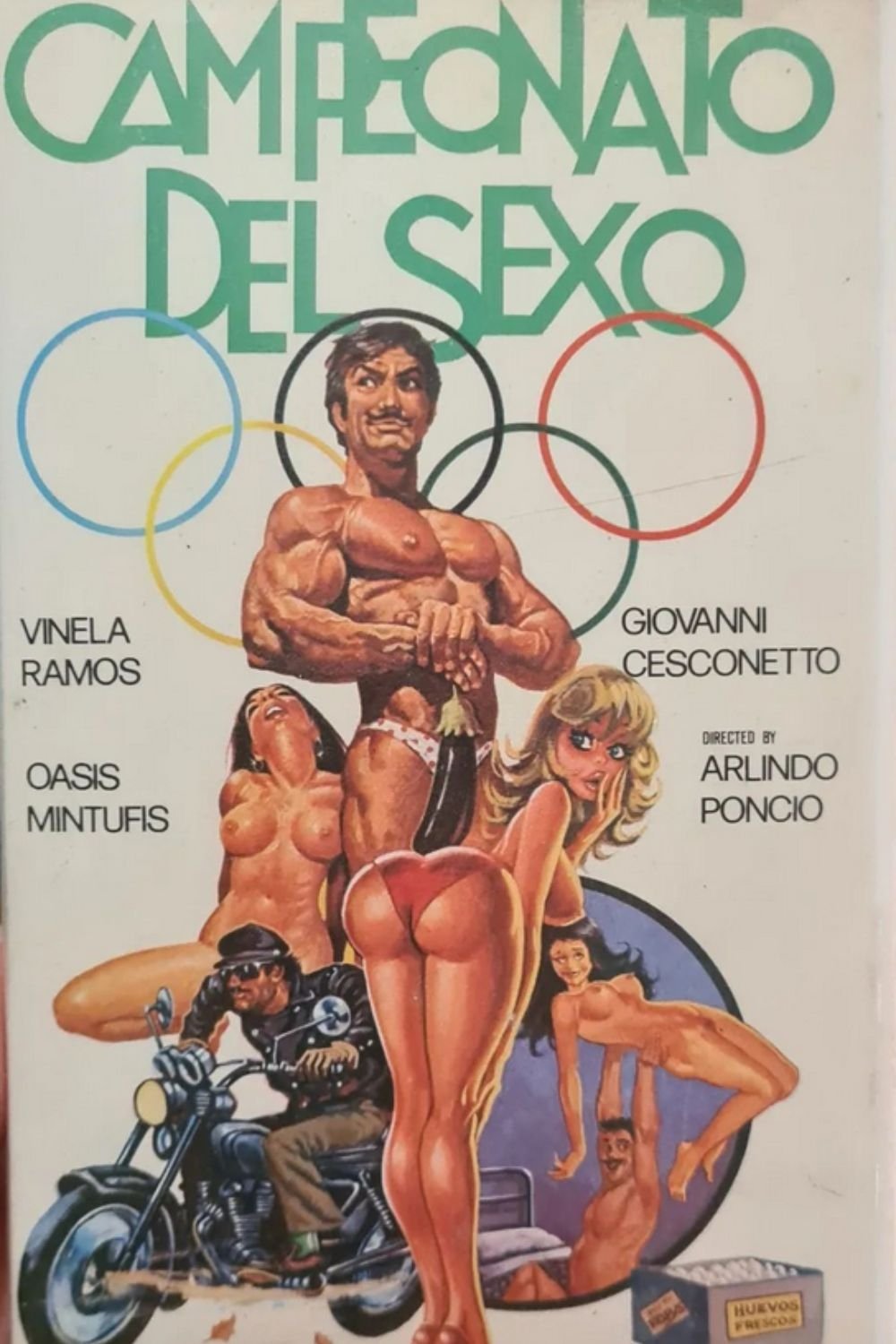
| 1982 | Campeonato de Sexo | - | Hit | Similar → |
Roberto Farias - Frequently Asked Questions
What is the best movie of Roberto Farias?
According to audience ratings, the best movie starring Roberto Farias is "Roberto Farias - Memórias de um Cineasta" with a rating of 7.0/10.
How many movies has Roberto Farias acted in?
Roberto Farias has been featured in at least 5 major films throughout their career.
What are some other popular movies by Roberto Farias?
Other notable films include "Campeonato de Sexo", "João do Vale, Muita Gente Desconhece", and "Brazilian Cinema in the 20th Century".