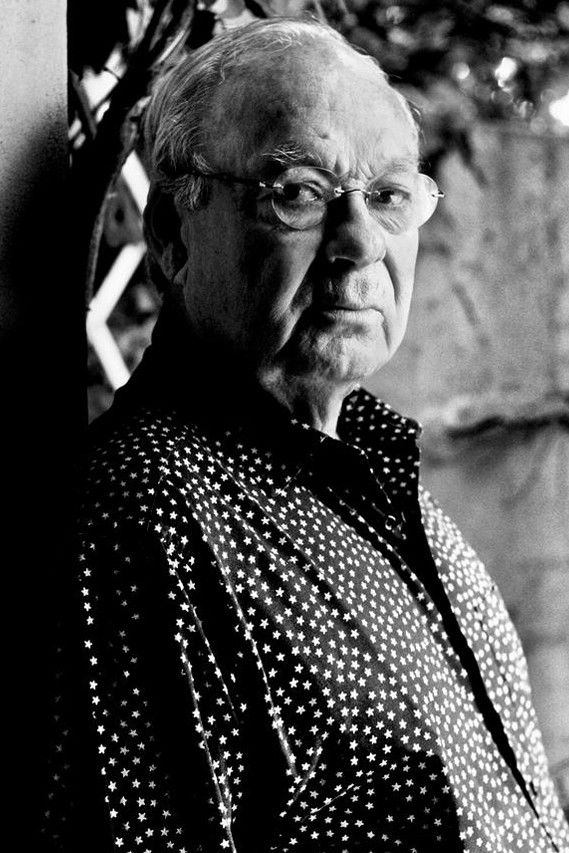
Siné
ActingAbout Siné
Maurice Sinet, known as Siné, is one of the leading figures of French satirical cartooning, renowned for his dark humor, fierce anticlericalism, and radical political commitments. His life was inextricably linked to a passion for drawing, jazz, and anti-colonial activism. Maurice Albert Sinet was born in Paris, in a working-class neighborhood in the east of the city, at the end of 1928, into a modest family. His father was an artistic blacksmith and his mother a grocer. He grew up between Belleville, Ménilmontant, Barbès, and Pigalle, which instilled in him from a very young age a critical perspective on social inequality. At fourteen, he entered the École Estienne, studying drawing and model making while earning a living at night as a singer in cabarets. His time in the military, often spent in solitary confinement, reinforced his rejection of the army, the state, and imposed discipline. After his military service, Siné began publishing his first cartoons in the early 1950s in the popular press, notably France Dimanche. In 1955, he received the Grand Prix de l’Humour Noir (Grand Prize for Black Humor) for the collection "Complaintes sans paroles" (Laments Without Words), which brought him to the attention of literary and artistic circles. His major success came in 1959 with the book "Les Chats" (The Cats), which established his distinctive, fierce, and poetic graphic style. At the same time, he became a political cartoonist for L’Express, where his anti-colonial cartoons during the Algerian War sparked controversy, lawsuits, and a reputation as an irrepressible provocateur. Siné identified as libertarian, anti-capitalist, anti-colonialist, anti-clerical, and secular, positions he expressed unflinchingly in his cartoons and in the press. A signatory of the Manifesto of the 121 during the Algerian War, he defended the right to insubordination and the fight against French colonialism. Hostile to all institutionalized religions, he attacked both the Catholic Church and other clergy, becoming one of the leading voices of a radical left steeped in anarchism. Siné publicly supported the Palestinian cause, which allowed his detractors to accuse him of antisemitism, to which he responded by asserting that he defended political anti-Zionism, not hatred of Jews. His pro-Palestinian commitment was part of a broader set of anti-imperialist, anti-colonial, and anti-Israeli positions regarding the policies of Israel in the occupied territories. Siné joined Charlie Hebdo in the early 1980s, where he made his mark with his political cartoons, dark humor, and attacks on power, money, and religious institutions. In July 2008, editor Philippe Val fired him after a column on Jean Sarkozy's possible conversion to Judaism, a column that led to accusations of antisemitism, which he vehemently denied. Siné denounced this as a betrayal of the libertarian and anticlerical spirit of satire, while Charlie Hebdo accepted his dismissal. In the aftermath, he launched his own weekly magazine, Siné Hebdo, followed by Siné Mensuel, where he continued his radical style. Weakened by health problems, he underwent major lung surgery at Bichat Hospital in Paris and died on the night of May 4-5, 2016, at the age of 87. To the very end, he remained true to his image as a radical and committed cartoonist, having left a lasting mark on French political caricature.
Siné Movies & Career Overview
The filmography of Siné reflects a strong mix of popular and critically appreciated roles. Across 9 major appearances, the actor has built a reputation through performances in multiple genres and storytelling styles.
Dominant Genre
A large portion of Siné's work falls within the Documentary genre, where audiences tend to respond most strongly to their on-screen presence.
Success Ratio
Approximately 67% of Siné's films maintain ratings above 6.5, indicating a consistent level of audience approval.
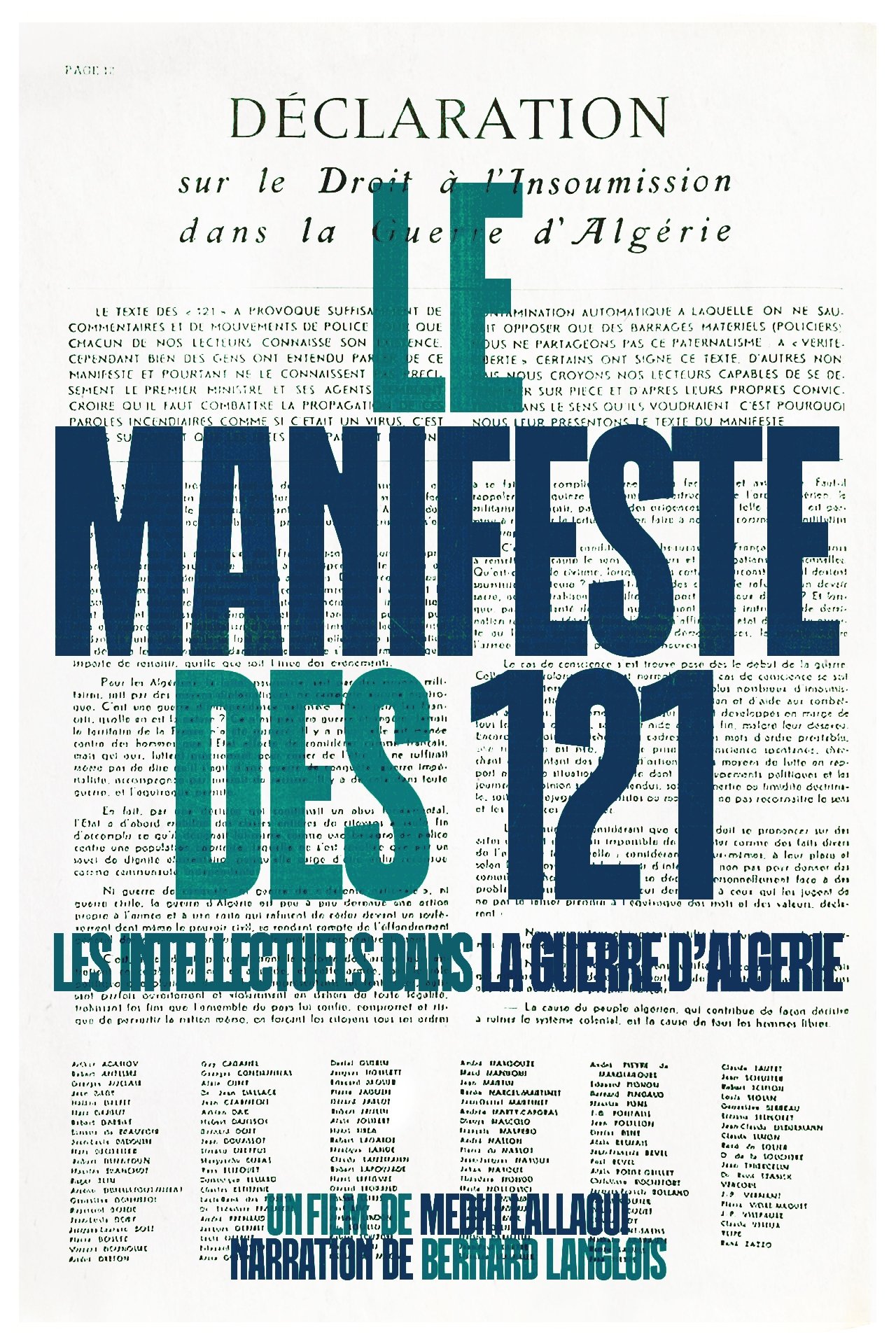
One of the most highly rated entries in their career remains Manifesto of the 121, which stands out as a key performance.
Best Siné Movies Ranked
Must-watch hits from Siné's career based on audience ratings.
Full Filmography
Every movie Siné has appeared in, with audience ratings and verdicts.
| Year | Movie | Character | Success | More |
|---|---|---|---|---|
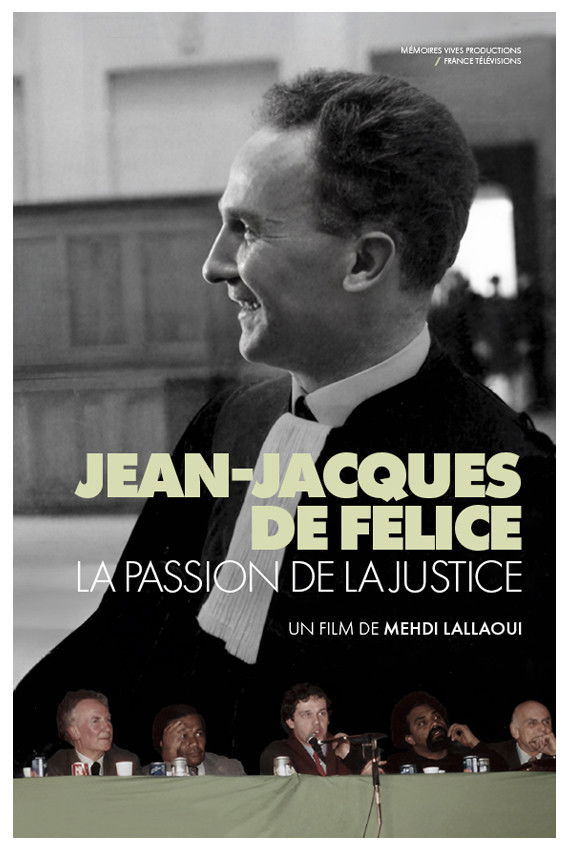
| 2018 | Jean-Jacques de Félice, The Passion For Justice | Self (archive footage) | Super Hit | Similar → |
| 2015 | Cavanna, jusqu'à l'ultime seconde j'écrirai | Self | Hit | Similar → |
| 2011 | Arrabal et les Garçons | Self | Flop | Similar → |
| 2011 | Manifesto of the 121 | Self | Super Hit | Similar → |
| 2010 | Mammuth | Le viticulteur | Average | Similar → |
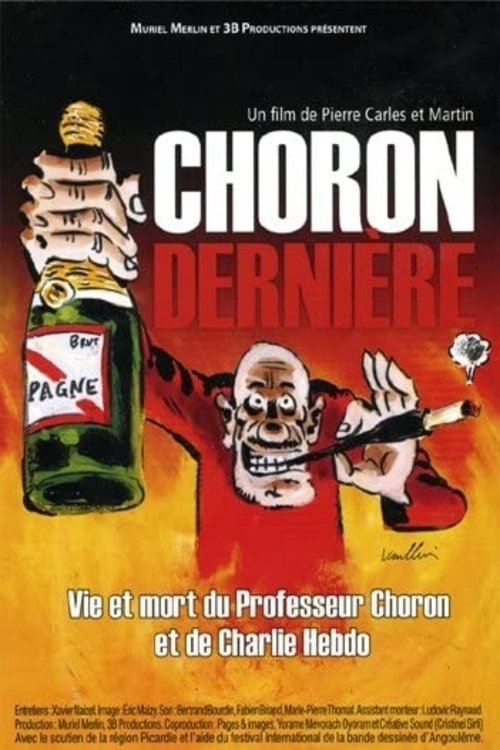
| 2009 | Choron dernière | Self | Hit | Similar → |
| 2008 | Louise-Michel | M. Pinchon, le père de Michel | Average | Similar → |
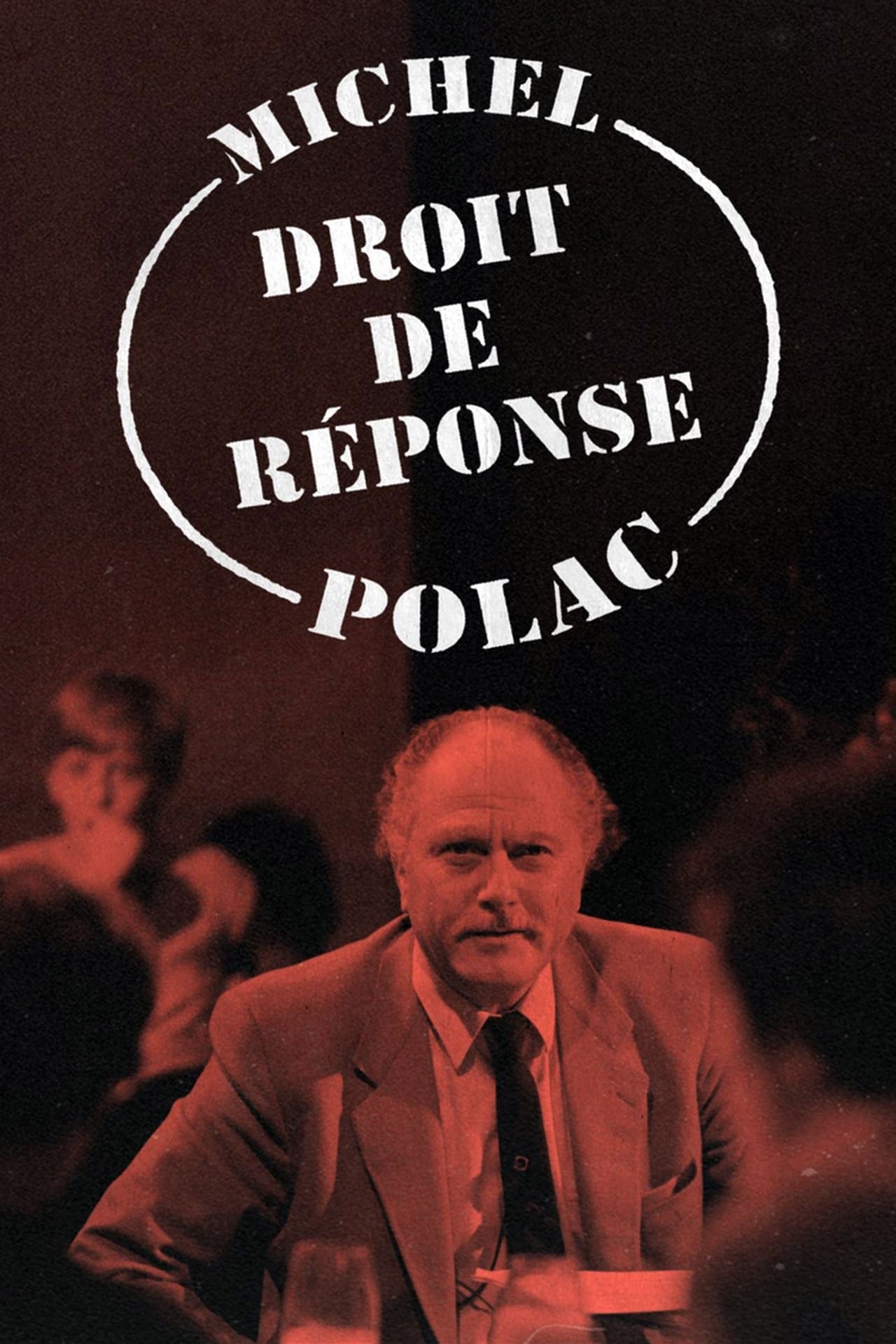
| 1981 | Droit de Réponse | Self | Super Hit | Similar → |
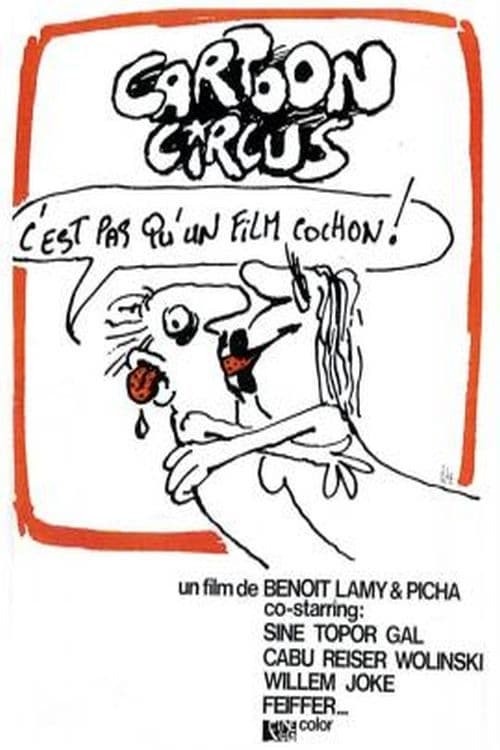
| 1972 | Cartoon circus | Self | Hit | Similar → |
Siné - Frequently Asked Questions
What is the best movie of Siné?
According to audience ratings, the best movie starring Siné is "Manifesto of the 121" with a rating of 10.0/10.
How many movies has Siné acted in?
Siné has been featured in at least 9 major films throughout their career.
What are some other popular movies by Siné?
Other notable films include "Jean-Jacques de Félice, The Passion For Justice", "Droit de Réponse", and "Choron dernière".