
Wang Bing
DirectingAbout Wang Bing
Wang Bing (Chinese: 王兵; pinyin: Wáng Bīng; born 16 November, 1967; Xi'an) is a Chinese documentary director, often referred to as one of the foremost figures in documentary film-making. Wang is the founder of his own production company, Wang Bing Studios, which produces most of his films. His movie on Chinese labour camps, "The Ditch", was included in the 2010 Venice Film Festival as the film sorpresa. He began his career as an independent filmmaker in 1999. Discovered in 2003, "West of Tracks", an enormous documentary work of more than 9 hours, has garnered great success internationally. In addition to his feature documentaries, he is also active in video installation, fiction film and photography. His movie on Chinese labour camps, "The Ditch", was included in the 67th Venice Film Festival (2010) as the film sorpresa. His movie "Youth (Spring)" was selected to compete for the Palme d'Or at the 76th Cannes Film Festival (2023). Tie Xi Qu, Wang's 9 hour epic documentary of industrial China, was considered a major success. Tie Xi Qu went on to win the Grand Prix at the Marseille Festival of Documentary Film and was shown for the first time in Spain at the Punto de Vista International Documentary Film Festival. Wang's film Fengming, a Chinese Memoir, premiered at both Cannes and Toronto in 2007. Crude Oil premiered at the 2008 Rotterdam Film Festival. Since then, his films became a staple at every prestigious international film festival. 2017's Mrs. Fang was awarded the Golden Leopard at the 70th Locarno Festival. French philosopher Georges Didi-Huberman dedicated a long epilogue to Wang Bing in his 2012 book, Peuples exposés, peuples figurants. He reflects on the social fate of images thoroughly analyzing Wang's 2010 Man with No Name, writing that the director, as a humble portrait artist of a single rural worker, manages to represent the whole of China's people (as well as people from all over the World) "not through his past, nor his ideas, nor his name, nor his place in society, but through the simple gestures with which he works at his solitary life", as opposed to the common epic portraits of national identity based on military prowess, war heroes and manifest destinies.
Career Statistics & Market Influence
Analyzing the cinematic journey of Wang Bing reveals a career defined by diverse artistic exploration. With a total of 6 major appearances, the actor has established a significant footprint in global cinema.
Genre Dominance: Documentary
The majority of Wang Bing's filmography leans towards the Documentary genre. Audience data suggests that viewers respond most favorably to this persona, though their versatility has allowed for successful crossovers into other categories.
The "Box Office" Signature
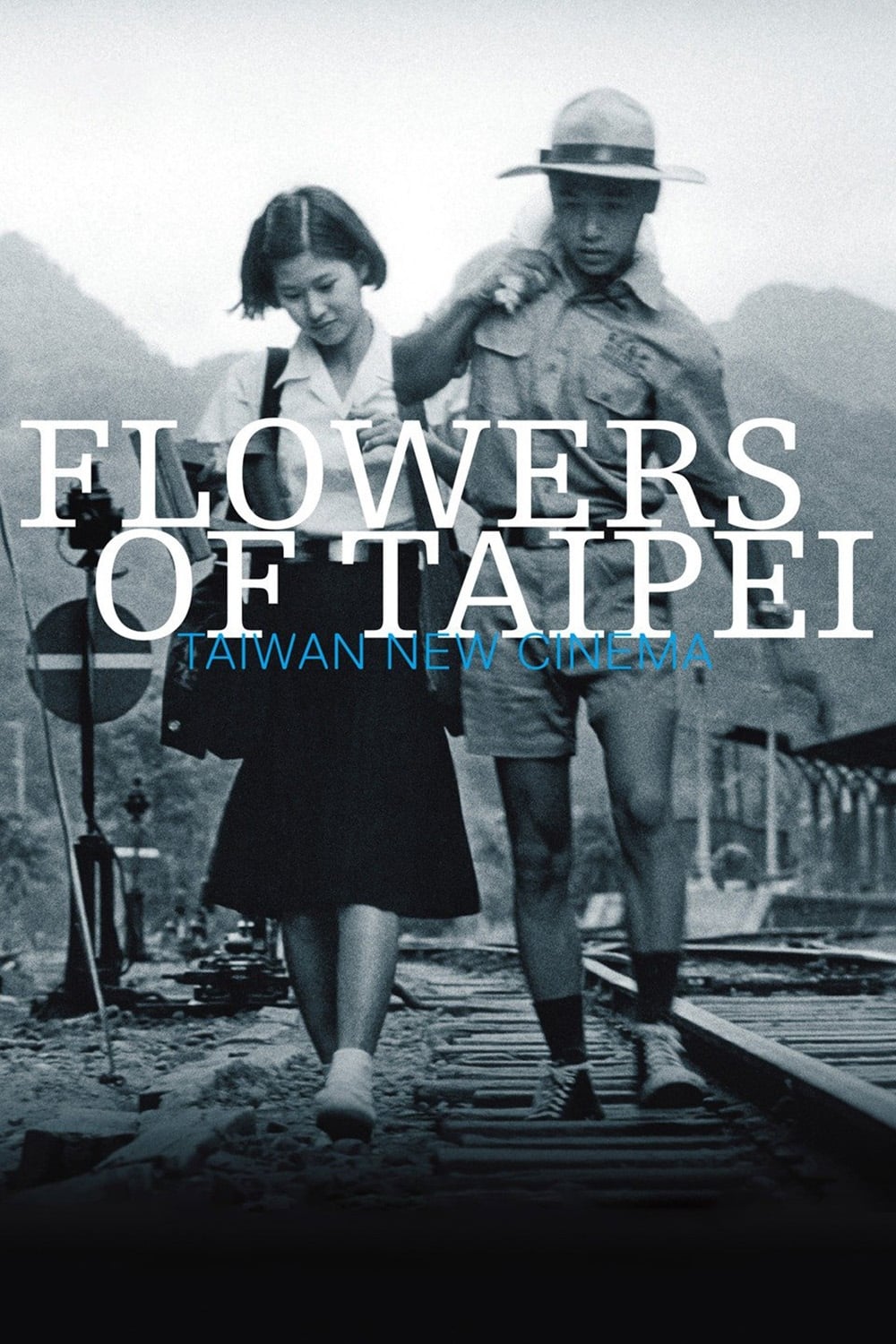
With a 17% Success Ratio (movies rated above 6.5), Wang Bing remains a reliable draw for studios. Their peak performance was recorded in Flowers of Taipei: Taiwan New Cinema, which continues to be the benchmark for their career rating-wise.
Best Wang Bing Movies Ranked
Must-watch hits from Wang Bing's career based on audience ratings.

Complete Filmography & Success Status
Tracking the career evolution and box office verdicts of Wang Bing.
| Year | Movie | Character | Success | More |
|---|---|---|---|---|
| 2019 | Wang Bing, Tendre Cinéaste Du Chaos Chinois | Himself | Flop | Similar → |
| 2018 | Night and Fog in Zona | Self | Average | Similar → |
| 2018 | Uno sguardo alla Terra | - | Flop | Similar → |
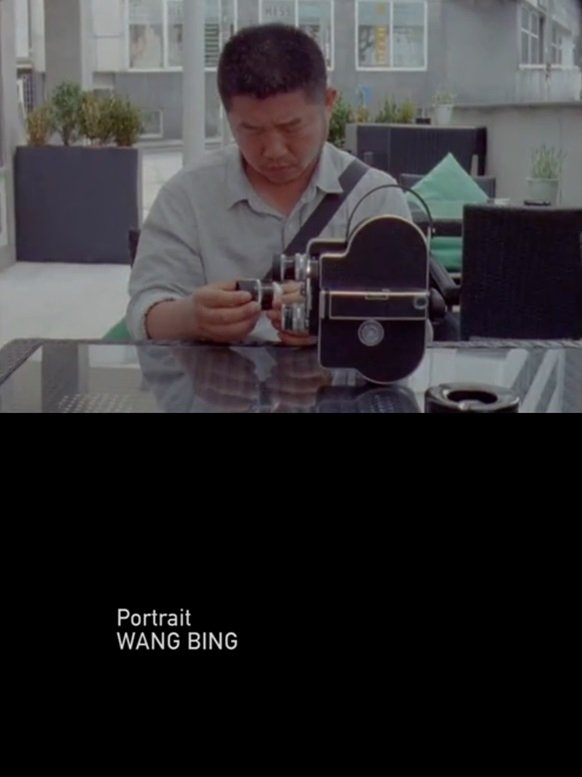
| 2017 | Portrait Wang Bing | self | Flop | Similar → |
| 2014 | Flowers of Taipei: Taiwan New Cinema | Self | Hit | Similar → |
| 2009 | Cinematic Correspondences: Jaime Rosales - Wang Bing | Self | Flop | Similar → |
Wang Bing - Frequently Asked Questions
What is the best movie of Wang Bing?
According to audience ratings, the best movie starring Wang Bing is "Flowers of Taipei: Taiwan New Cinema" with a rating of 7.2/10.
How many movies has Wang Bing acted in?
Wang Bing has been featured in at least 6 major films throughout their career.
What are some other popular movies by Wang Bing?
Other notable films include "Night and Fog in Zona", "Cinematic Correspondences: Jaime Rosales - Wang Bing", and "Uno sguardo alla Terra".