A Room with a View Synopsis
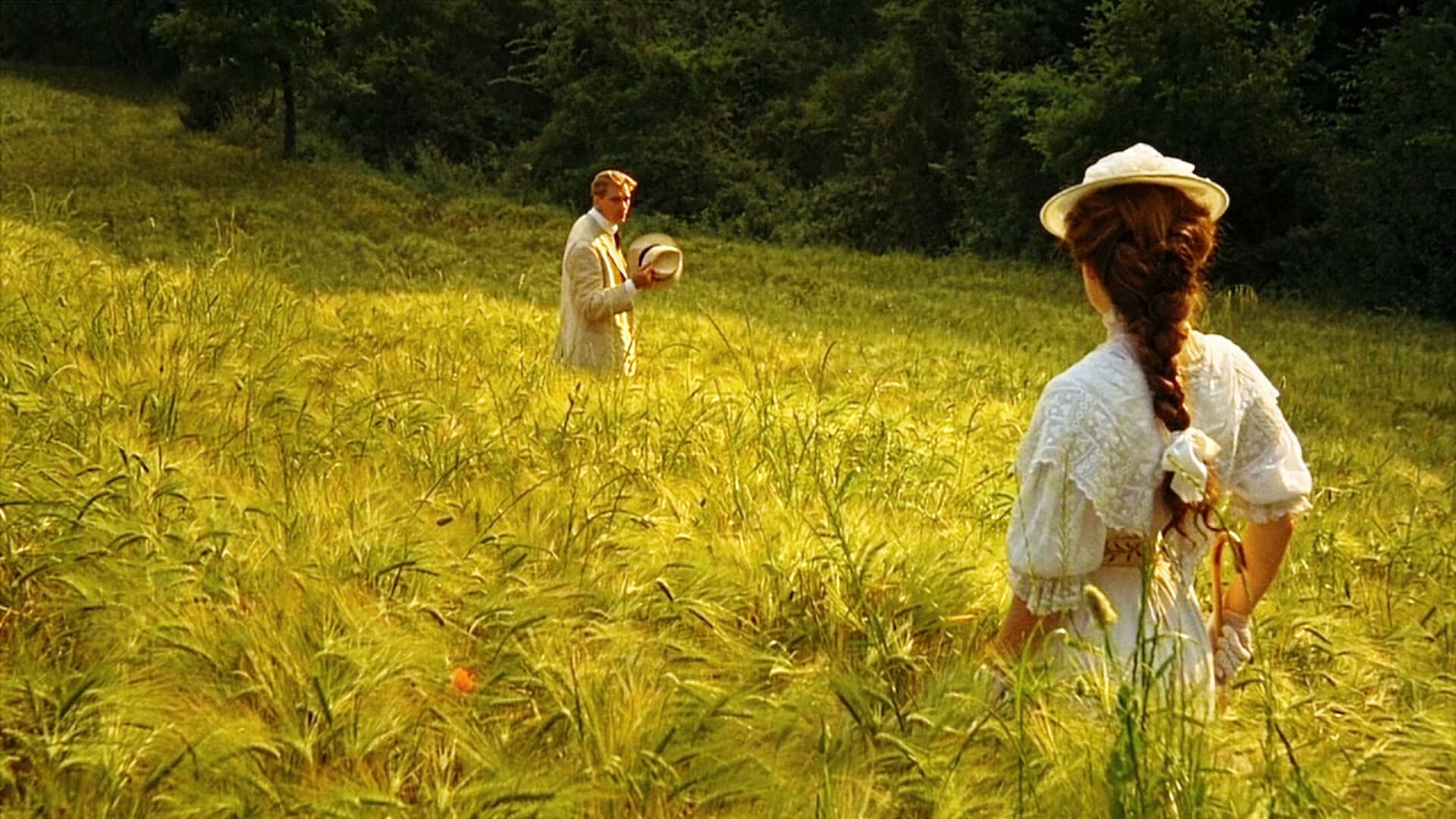
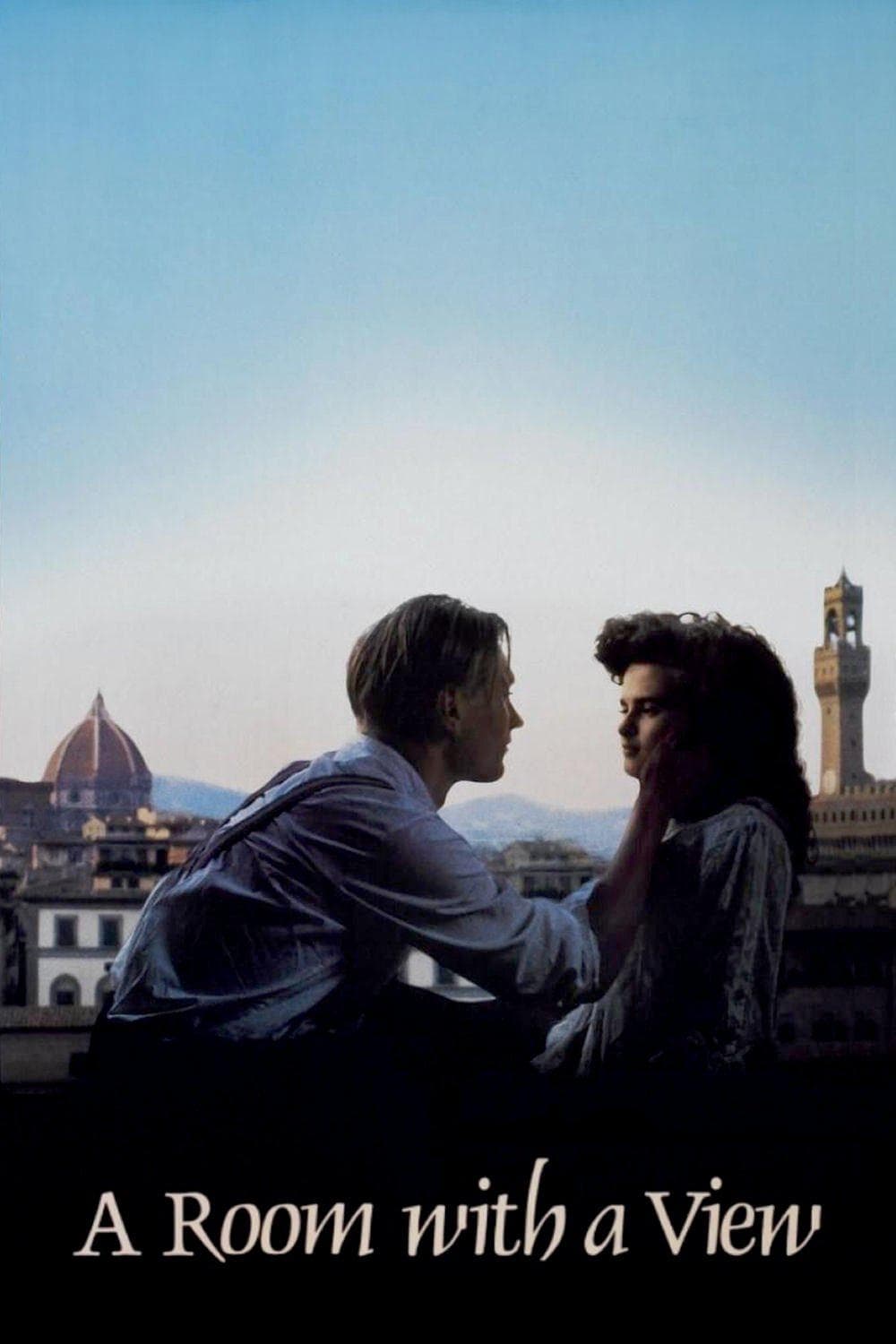
When Lucy Honeychurch and chaperon Charlotte Bartlett find themselves in Florence with rooms without views, fellow guests Mr Emerson and son George step in to remedy the situation. Meeting the Emersons could change Lucy's life forever but, once back in England, how will her experiences in Tuscany affect her marriage plans?
Top Cast










Official Trailer
Frequently Asked Questions
Is A Room with a View worth watching?
A Room with a View has received mixed reviews with a 6.932/10 rating. It might be worth watching if you're a fan of Drama, Romance movies.
Is A Room with a View hit or flop?
A Room with a View has received average ratings (6.932/10), performing moderately with audiences.
What genre is A Room with a View?
A Room with a View is a Drama, Romance movie that When Lucy Honeychurch and chaperon Charlotte Bartlett find themselves in Florence with rooms without views, fellow guests Mr Emerson and son George st...
You Might Also Like



Explore More
Critic Reviews
**A film that seems to be more concerned with criticizing the manners of the 19th century than with telling us a good story.** The film is set in the early years of the 20th century and is a romantic story that begins when a young British girl stays in a guesthouse in Florence among other English tourists. The room she received does not have a view over the River Arno, so she agrees to exchange with a young man, with progressive and daring ideas, who will win her heart. When they return to England, the get-together is inevitable. I haven't read the book this film is based on, but I believe those who say the adaptation is respectful. Written by James Ivory, it won three Oscars (Best Costume Design, Best Art Direction and Best Adapted Screenplay) and was also nominated for other awards (Best Cinematography, Best Director, Best Supporting Actress, Best Supporting Actor and Best Film). However, if we think about it, almost no one remembers it nowadays, except for big cinema fans. As a romantic film, it works and fits into that cliché of couples who break conventions to experience love, a utopia that leaves the majority of the female audience daydreaming. It's not a bad story, but we know where it will end. There is a profound anachrony underlying the film. It is not visible in the production itself, which is luxurious and expensive, with excellent sets, makeup, hairstyles, costumes and intelligently selected props. However, watching the film calmly, we detect the anachrony in the way in which British society at the time was portrayed: etiquette, good manners and social conventions appear as “castrating” love and passions, when in fact few people in that society overvalued love in the same way we do. This must be in the original book, of course, but it is still a “black and white” vision of a past that is judged in the light of our eyes. Despite this, it deserves clear praise for the sets, costumes and props, for its magnificent cinematography, where warm colors and the most touristic landscapes and places in Florence (one of the most beautiful in Europe) stand out, and for an excellent soundtrack, solidly based on classical and lyrical pieces that may, or may not, be recognized by the public. However, what stands out in the film and gives it greater value is the extraordinary performance by a luxurious cast full of strong, talented and well-known names. A very particular ovation is justified by the work of Helena Bonham Carter, in her debut in the seventh art, marking the start of her great career in cinema. Equally incredible was the chameleonic Daniel Day-Lewis, who gave us an affected and pompous gentleman who gave soul and grace. Maggie Smith is always a safe bet, especially when she plays characters within her “comfort zone”, but I found her somewhat dull. Denholm Elliott is very good, but not incredible as Julian Sands, who has one of the central roles in the plot. He was one of those actors who would have done better by spending a little more time working in Europe before trying his luck in the USA. He was very good, but he lacked opportunities in the land where they supposedly appear. Allow me to make an aside: in one of those strange coincidences in life, I saw this film yesterday and just now saw, at the Oscars ceremony, this actor's name in memoriam by having passed away in 2023. What more can I say? Rest in peace.
You can just imagine his delight when Simon Callow was told that not only would get to don some ecclesiastical cloth here, but he’d also get to romp around the lake naked with Julian Sands and Rupert Graves - thus taking part in a scene that has become iconic for just about every gay film maker in the history of last forty years! The rest of this doesn’t quite compare, but is still a charmingly characterful assessment of the idle middle-class at play in early 20th century Firenze. There’s a bit of disgruntlement at the lodgings of “Charlotte” (Maggie Smith) and her cousin “Lucy” (Helena Bonham Carter) because they don’t have a room overlooking the Arno. Fortunately, the kindly “Mr. Emerson” (Denholm Elliott) is travelling with his son “George” (Sands) and they are prepared to swap. That’s how they all met and with serendipity playing quite a part in the proceedings from now on, we return to a rustic British environment where “Lucy” lives with her mother (Rosemary Leach) and where she is to be married to the foppish “Vyse” (Daniel Day-Lewis). Her brother “Freddy” (Graves) isn’t so keen on this match and so all too eagerly winds up his would-be in-law with sarcastic ditties on the piano, and when he discovers that there are to be new occupants of a nearby cottage and that they turn out to be, well, yes - the “Emerson” duo, it’s soon quite clear that he’s not the only one who thinks these particular nuptials are unlikely to proceed as planned. With the aforementioned Mr. Callow chipping in valiantly as the vicar “Beebe” and Judi Dench engagingly providing a few short scenes as the scurrilous author “Eleanor Lavish” (pronounced “Laveesh” in some quarters) the scene is set for a romantic comedy that takes a swipe at the pomposity of English society and it’s mores as the 1900s gathers pace. Bonham-Carter, Sands and the delightfully irritating Day-Lewis are on good form throughout, as is the formidably fastidious Smith who always managed to own these prim and proper parts. As you’d come to expect from Messrs. Merchant and Ivory, the thing looks sumptuous and stylish - both against the beautiful backdrop of the sun-soaked Italian city and amidst the rural peacefulness (and hypocrisies) of life amongst the county set. There’s plenty of wit in the adaptation of the Forster critique and forty-years later is still an entertaining film to watch for two hours.