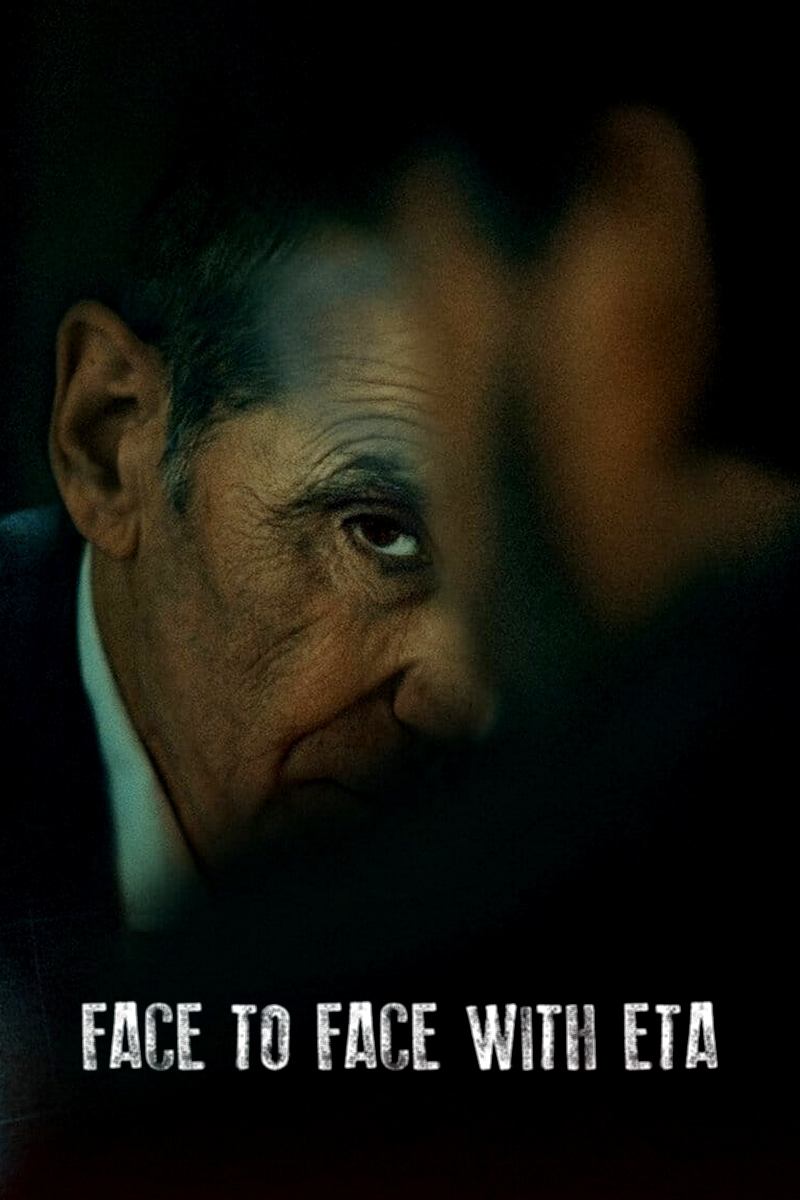
Face to Face with ETA: Conversations with a Terrorist Synopsis
An in-depth interview with José Antonio Urrutikoetxea, known as Josu Ternera, one of the most relevant leaders of the terrorist gang ETA.
Top Cast

Frequently Asked Questions
Is Face to Face with ETA: Conversations with a Terrorist worth watching?
Yes, Face to Face with ETA: Conversations with a Terrorist is definitely worth watching! With a rating of 7/10, it's highly recommended for fans of Documentary, History movies.
Is Face to Face with ETA: Conversations with a Terrorist hit or flop?
Based on audience ratings (7/10), Face to Face with ETA: Conversations with a Terrorist is considered a hit among viewers.
What genre is Face to Face with ETA: Conversations with a Terrorist?
Face to Face with ETA: Conversations with a Terrorist is a Documentary, History movie that An in-depth interview with José Antonio Urrutikoetxea, known as Josu Ternera, one of the most relevant leaders of the terrorist gang ETA....
You Might Also Like




Explore More
Critic Reviews
This "documentary" in this reviewers estimate, takes a one sided look at the ETA as "terrorists". It largely ignores the brutality of the Fascist Spanish regime under Franco and often repressive attitude, towards Basque separatism, displayed by the democratic government of Spain. Up until Ferdinand Franco's death the Basque people were repressed, as was Spain in general, under his Fascist regime, ushered in, with the aid, of Nazi Germany. Spain was police state, where people could even be executed, using the cruel and antiquated garrote. Just look at the movie "Salvador", from 2006, to see how violent and generally repulsive, the regime in this nation was, even in the 1970's. The latter day democratic Spanish government has also responded, quite often, with repression and yes, state violence, against Basque attempts at separatism. Its in this reality that groups like ETA came into being. Rather than balance the books by placing things in a broader context this interview seems to focus largely and narrowly on ETA as "violent". Cut scenes of menacing people in masks with guns and funerals for police officers, backed by ominous music, endorse this limited perspective. Small wonder, I felt the interviewee start to come across as somewhat evasive. I would be too. The man never really gets a chance to tell his side of the story, in an open and meaningful way. In summary, a documentary, that, in my opinion, is one side to the extent that it leaves little room for an open and frank discussion about ETA and Basque separatism, in the context of historical and contemporary Spain and its politics. A missed opportunity, to say the least.