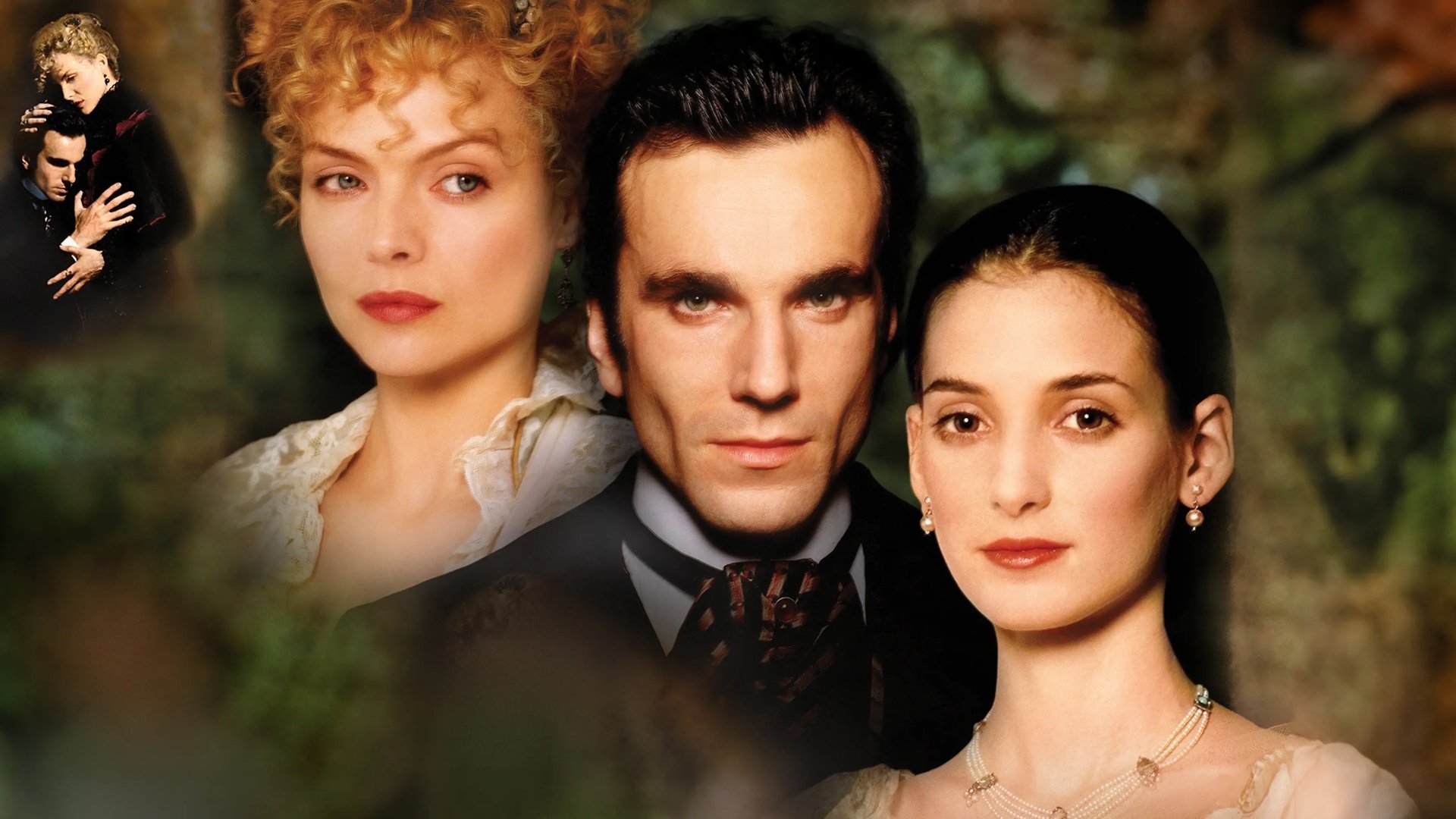
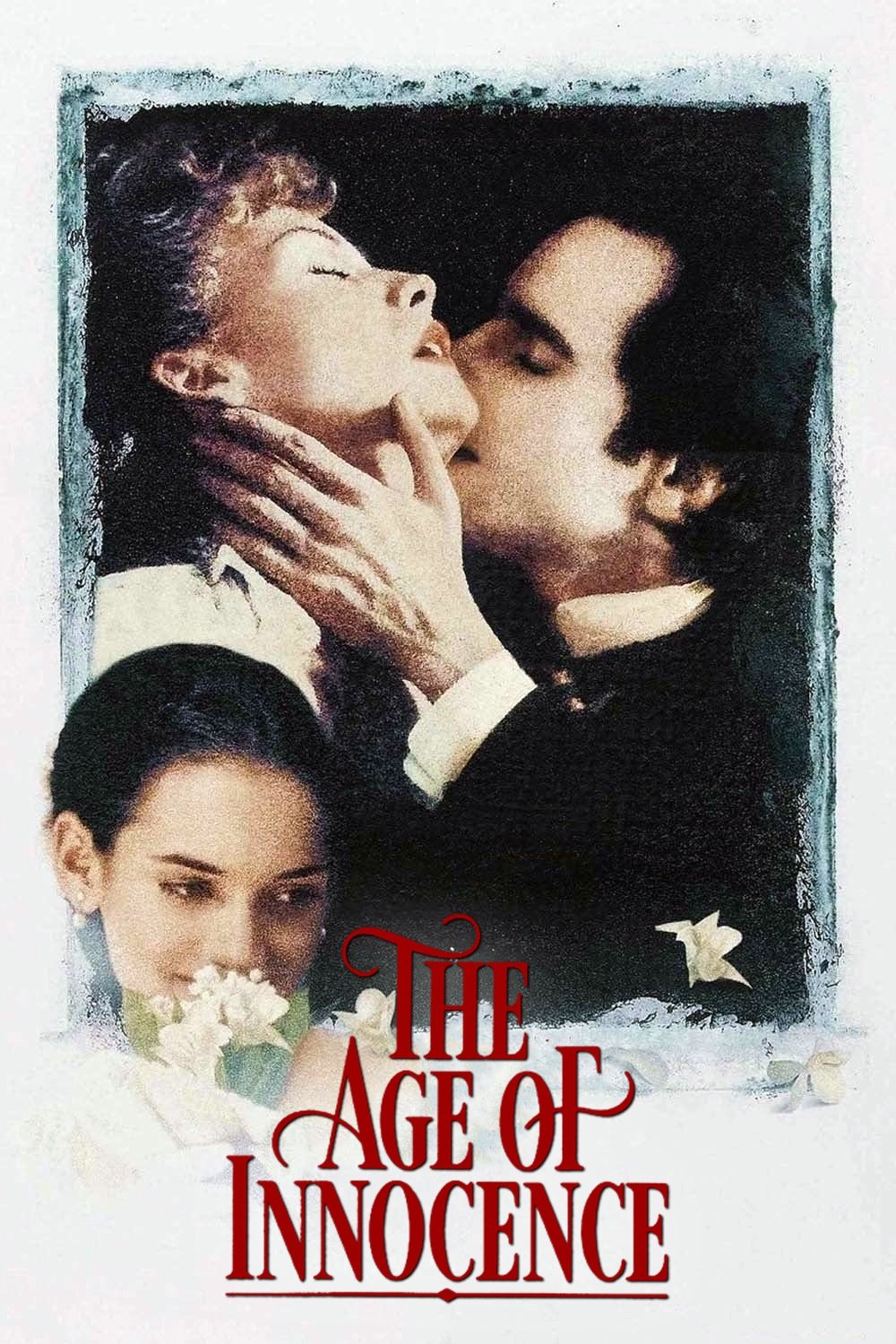
The Age of Innocence Synopsis
In 19th century New York high society, a young lawyer falls in love with a woman separated from her husband, while he is engaged to the woman's cousin.
Top Cast










Official Trailer
Frequently Asked Questions
Is The Age of Innocence worth watching?
Yes, The Age of Innocence is definitely worth watching! With a rating of 7/10, it's highly recommended for fans of Drama, Romance movies.
Is The Age of Innocence hit or flop?
Based on audience ratings (7/10), The Age of Innocence is considered a hit among viewers.
What genre is The Age of Innocence?
The Age of Innocence is a Drama, Romance movie that In 19th century New York high society, a young lawyer falls in love with a woman separated from her husband, while he is engaged to the woman's cousin...
You Might Also Like




Explore More
Critic Reviews
I can’t help but think the praise this gets is as much to do with Martin Scorsese venturing far from his usual style of violent, gritty, drama onto the manicured lawns more readily frequented by Merchant Ivory. Though he does it well enough, this story of New York high society takes a very long time to get to exactly where we expect it to get to, and along the way the tedium of it’s, frequently unrequited, love triangle(s) make heavy going to watch. It’s all about lawyer “Newland” (Daniel Day-Lewis) who is affianced to “May” (Winona Ryder) but seemingly way more intoxicated by her cousin, the “Countess Olenska” (Michelle Pfeiffer) who has fled from an abusive marriage in Europe as the nineteenth century comes to a close. Though it may not actually be set in Victorian Britain, it’s fair to say the the societal expectations, snobberies and double-standards are just as prevalent and hypocritical here too and though a countess she may be, a divorced one will still be shunned and shamed by the likes of matriarch “Mrs. Mingott” (Miriam Margolyes). “Newland” initially feels obliged to stand in her corner a little - out of a sense of loyalty to his future wife’s family, but of course the more they interact the more a predicable relationship develops. “May”, meantime, isn’t impervious to her beau’s change in affections but is not entirely sure in which direction they are now pointing, and so the seeds are now sown for a story of love, lust, betrayal and quite possibly sadness, too. It does look good with all the costumes, stately houses and production design delivering a classy product - but for my money, a product is exactly what it is. There isn’t a scintilla of chemistry between DD-L and anyone, really, and Pfeiffer delivers her lines as if she were rehearsing for an Oscar Wilde stage play. Ryder only features sparingly but she does inject a semblance of decent vulnerability to the proceedings and both Margolyes and Geraldine Chaplin add a little extra class to the proceedings, albeit in rather set-piece scenes, as it trundles along - but this is a story we’ve seen or read many times before, just transferred to a new city where the elite behave just as they would in London or Paris or Vienna, only without the titles and the provenance. Perhaps because we Brits are weaned on period drama, it’s harder to see the wood for the trees but for me this is nothing at all special and the arrival, towards the end, of Richard E. Grant really sums up it’s gorgeous blandness. Stick with the 1934 version.