
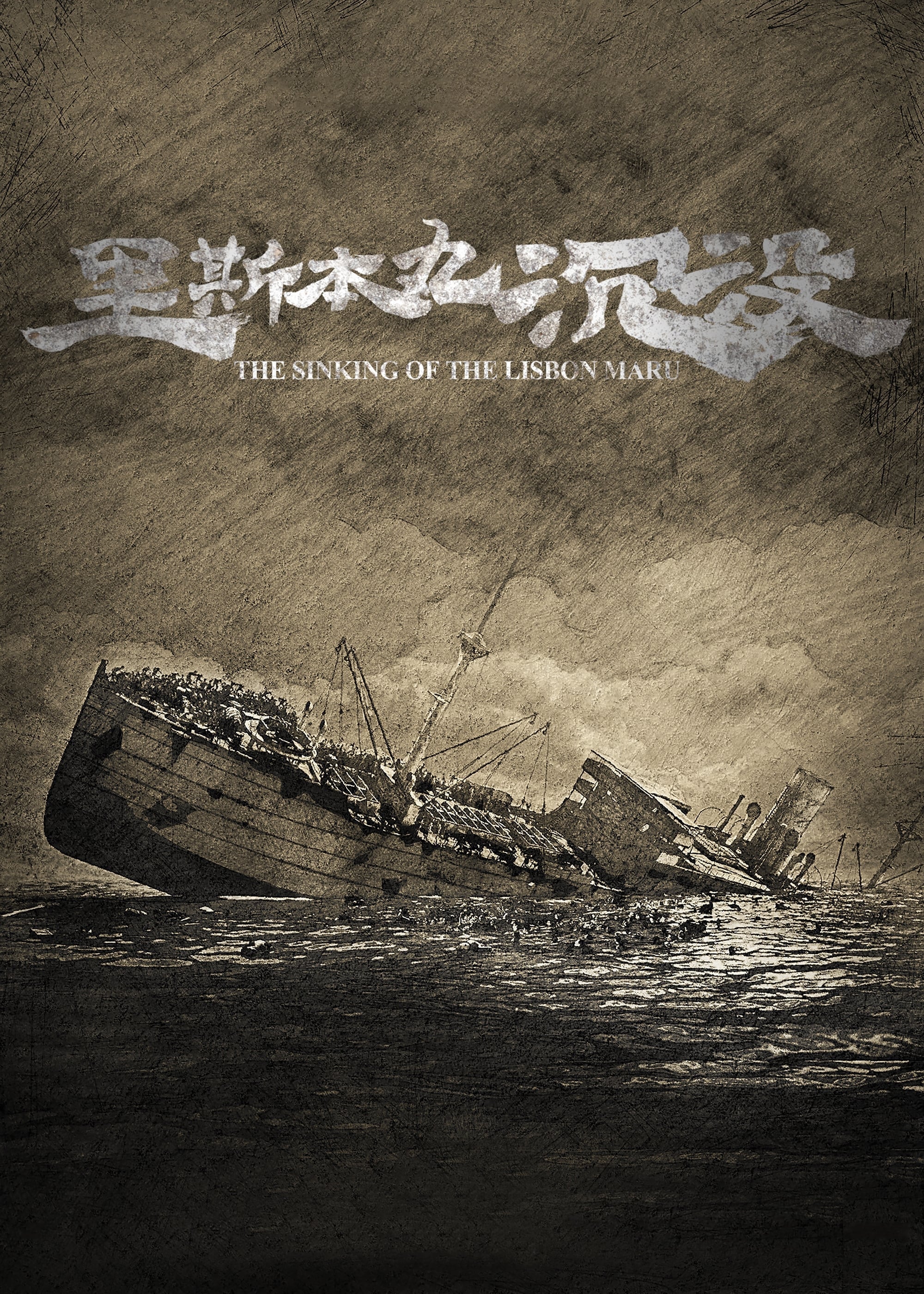
The Sinking of the Lisbon Maru Synopsis
Filmmaker Fang Li and his crew explore exhaustive historical investigation, as far as possible to find the core of the British, American, Japanese and Chinese parties and descendants, trying to infinitely close to the truth of the World War II "Death Ship" — "Lisbon Maru", which is 30 meters under the sea off the East Polar Island in Zhoushan, China.
Top Cast





Official Trailer
Frequently Asked Questions
Is The Sinking of the Lisbon Maru worth watching?
Yes, The Sinking of the Lisbon Maru is definitely worth watching! With a rating of 8.44/10, it's highly recommended for fans of Documentary movies.
Is The Sinking of the Lisbon Maru hit or flop?
Based on audience ratings (8.44/10), The Sinking of the Lisbon Maru is considered a hit among viewers.
What genre is The Sinking of the Lisbon Maru?
The Sinking of the Lisbon Maru is a Documentary movie that Filmmaker Fang Li and his crew explore exhaustive historical investigation, as far as possible to find the core of the British, American, Japanese and...
You Might Also Like




Explore More
Critic Reviews
It is quite interesting that it took over seventy years before anyone tried to discover this wreck, but once it was found nestling in the sand it opened up quite a can of worms as we discovered that it was a freighter carrying two thousand tons of wartime supplies and 1,800 British POWs. These men had been ordered to surrender after the fall of Hong Kong and were being taken to “a beautiful land” where they would be put to hard labour. Except, they didn’t get very far before the ship encountered the USS Grouper that found the 7,000 ton vessel a legitimate target and holed it with one torpedo. The thrust of this documentary takes us through the next 24 hours as the ship slowly sank and the prisoners were treated as little better than malnourished ballast. Filmmaker Fang Li had managed to track down one survivor from the tragedy and as news of his filming spreads, he makes contact with another living in British Columbia and together they provide a poignant insight into just how brutal the regime that detained them was, whilst making it quite obvious that this is not a subject either feel the need to reminisce about. The Geneva Convention - which prohibits the use of POWs as glorified hostages - was simply ignored and the behaviour of their captors as the boat went down is put under quite an horrific spotlight. It’s not just that they were imprisoned; it is that they are left to languish, disease-ridden, in the cargo holds of a ship without food, water, room to move or sleep and even much air to breathe. Worse still, as the vessel gradually disappeared, the survivors in the water were indiscriminately murdered by machine-gun fire. Were it not for the timely and brave intervention of the local Chinese fishing population and their flotilla of sampans and junks, it’s likely that there would have been nobody left to tell of this atrocity. There is virtually no archive to illustrate this with, it’s left to our own imagination; to the descriptions from the two main contributors and to additional input from the relatives of those who died/survived who reference letters and diaries to paint quite a graphically ghastly picture of inhumanity and of gutsy determination. We also hear a little from the family of the American who fired the weapon, and get some sense of the overwhelming feeling of guilt he felt when he later discovered that it wasn’t just the materiel he sent to the depths. It does suffer a little from information overload. There is a lot of text on the screen and I think it might have worked better focussing on fewer families. It might also have benefitted from more engagement with the current Japanese authorities. Perhaps a more full explanation from the Navy or it’s embassy in London as to the extent to which this was policy or just individual zealousness or, of course, both? With no one involved left now, this serves to deliver a salutary reminder of just how cruel mankind can be to each other and of the sacrifices people made for King and country on the other side of the world.